Biodiversity Institute, University of Kansas, Lawrence, Kansas, United States of America ; Northeast Ohio Medical University, Rootstown, Ohio, United States of America.
PLoS One. 2013 Sep 4;8(9):e73811. doi: 10.1371/journal.pone.0073811. eCollection 2013.
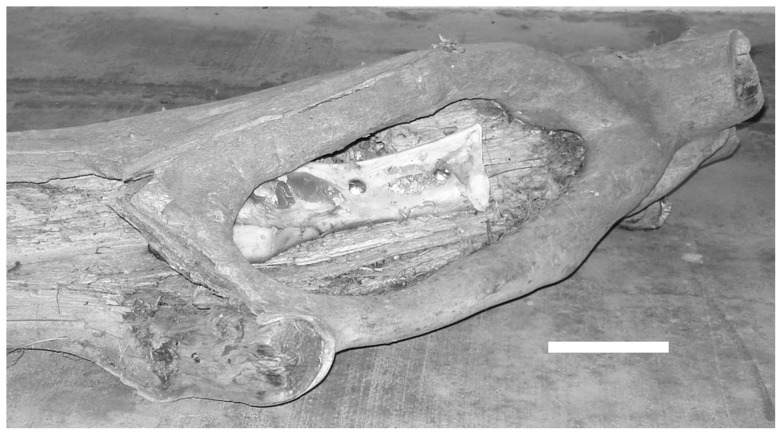
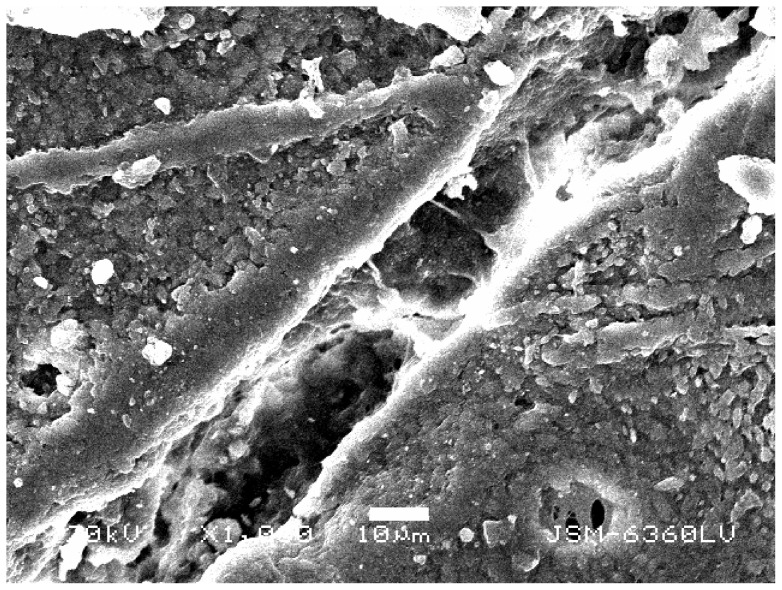
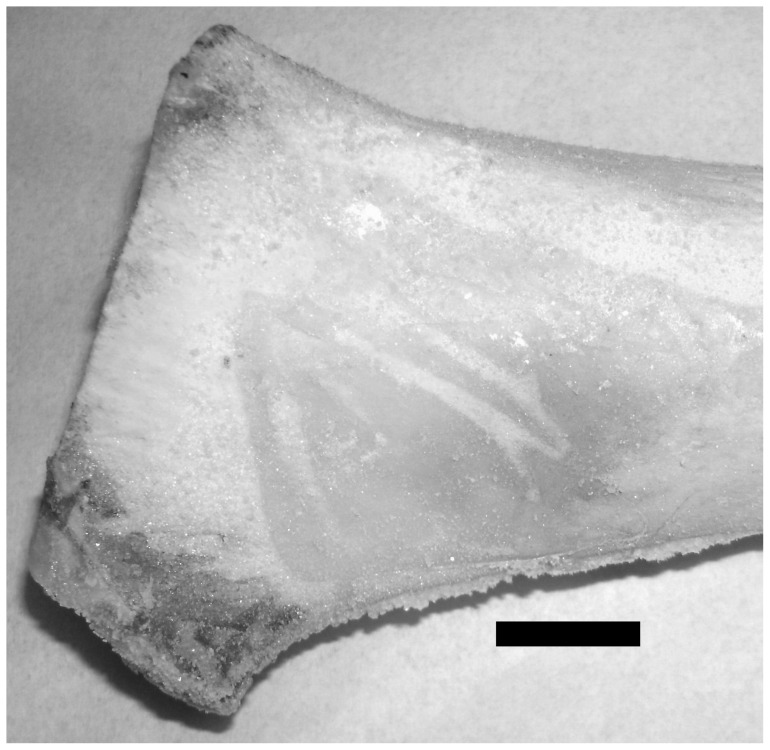
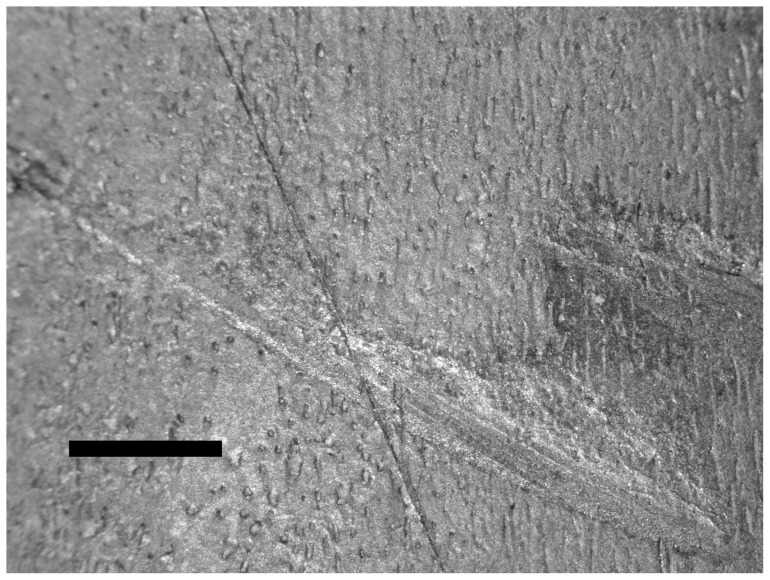
Scratches on bones have routinely been attributed to tooth marks (a predominantly untested speculation), ignoring the effects of claws, perhaps because of the general assumption that claws are too soft to damage bone. However, some pathologies appears to be more compatible with claw rather than tooth impacts. Therefore, it is critical to determine if the claws of any animal are capable of scratching into the surface of any bone--a test and proof of concept. A tiger enrichment program was used to document actual bone damage unequivocally caused by claws, by assuring that the tiger had access to bones only by using its paws (claws). The spectrum of mechanisms causing bone damage was expanded by evidentiary analysis of claw-induced pathology. While static studies suggested that nails/claws could not disrupt bone, specific tiger enrichment activities documented that bones were susceptible to damage from the kinetic energy effect of the striking claw. This documents an expanded differential consideration for scratch marks on bone and evidences the power of the claw.
骨头表面的划痕通常归因于牙痕(一种未经充分验证的推测),而忽略了爪子的作用,这可能是因为普遍认为爪子太软而无法损伤骨头。然而,一些病理学表现似乎更符合爪痕而不是牙痕。因此,确定任何动物的爪子是否能够划伤任何骨头的表面——这是一个需要验证的概念,是至关重要的。利用老虎的丰富化项目来记录明确由爪子造成的实际的骨头损伤,通过确保老虎只能通过爪子(爪子)接触骨头来实现。通过对爪伤病理学的证据分析,扩展了导致骨头损伤的机制范围。虽然静态研究表明指甲/爪子不能破坏骨头,但特定的老虎丰富化活动记录表明,骨头容易受到撞击爪子的动能效应的损伤。这记录了对骨头划痕的更广泛的差异考虑,并证明了爪子的威力。