Centre de Recherche en Cancérologie de Lyon UMR Inserm 1052 CNRS 5286, Centre Léon Bérard, F-69373, Lyon, France; Université de Lyon, Université Lyon 1, ISPB, Lyon F-69622, France.
Cancer Cell. 2013 Sep 9;24(3):318-30. doi: 10.1016/j.ccr.2013.08.013.
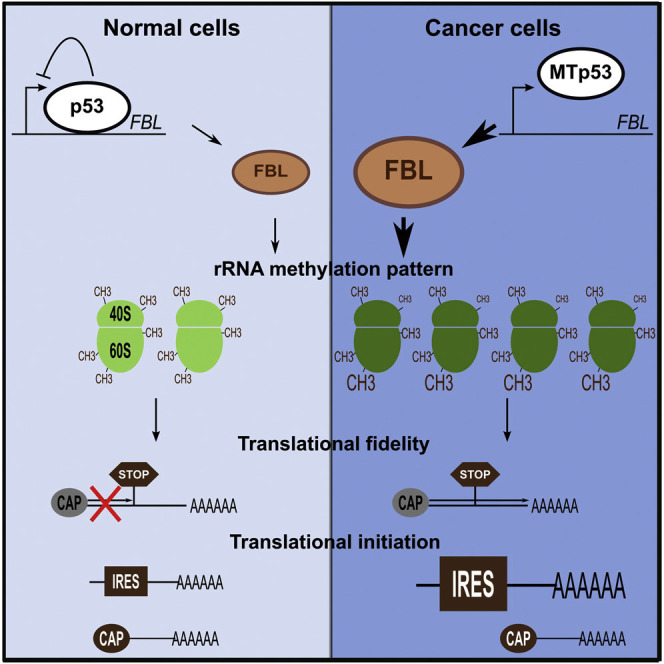
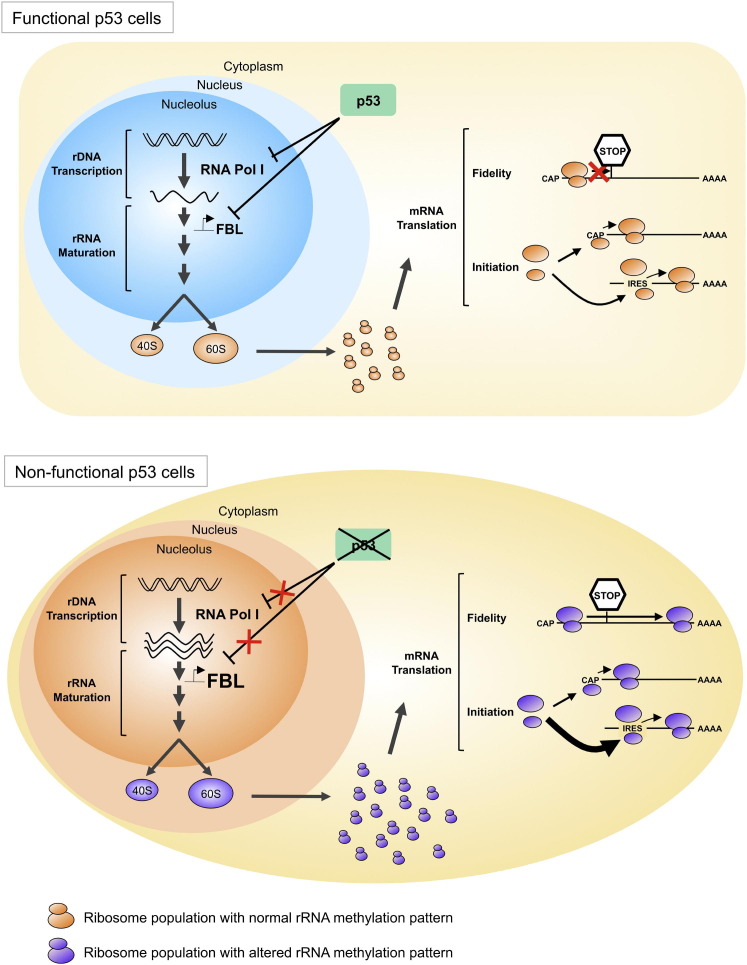
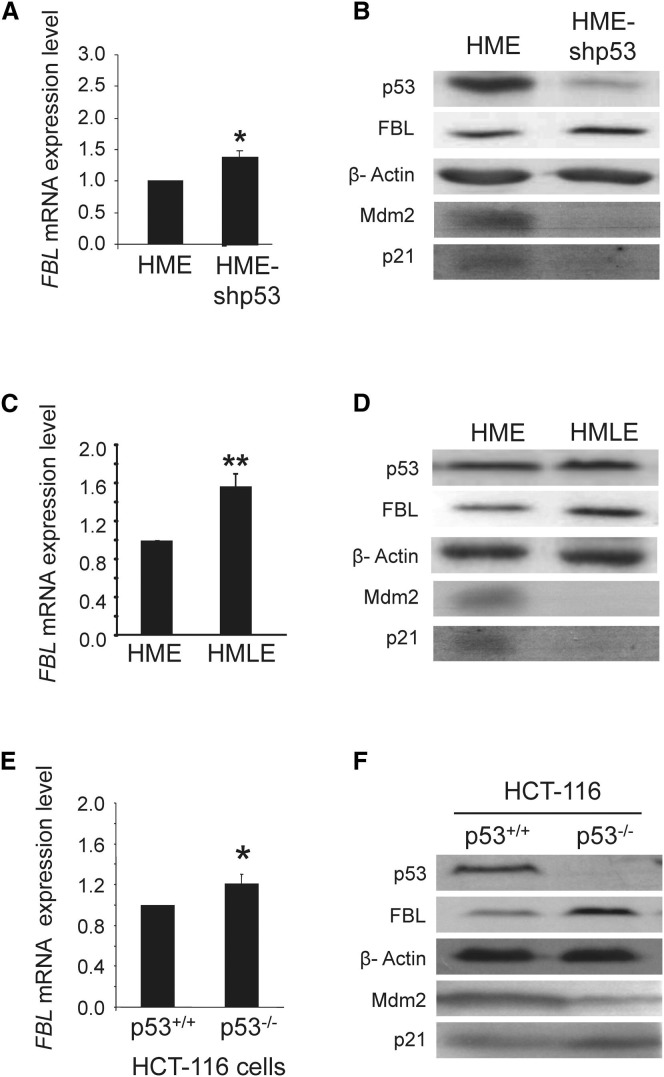
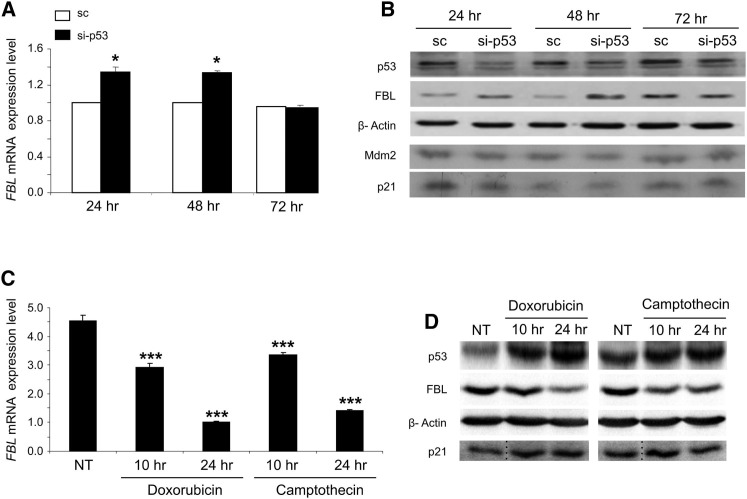
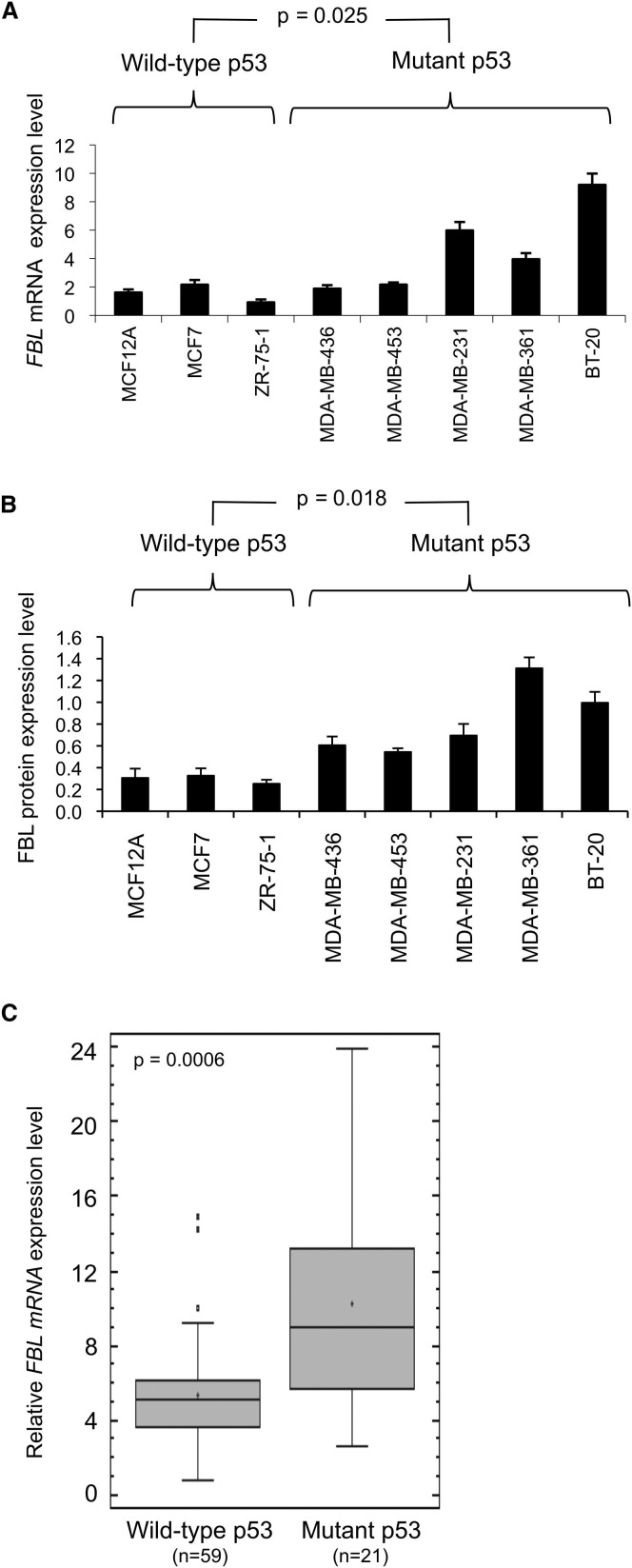
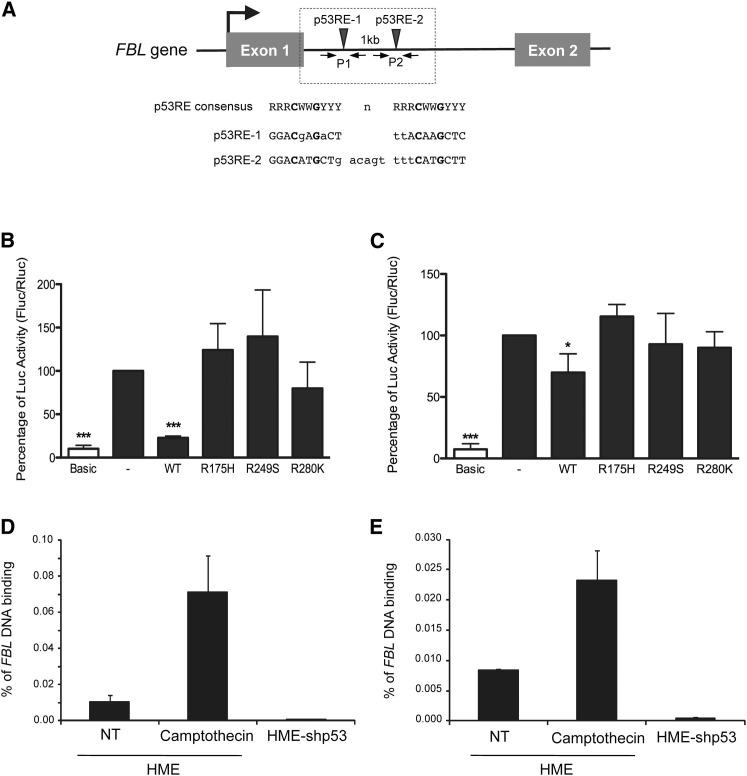
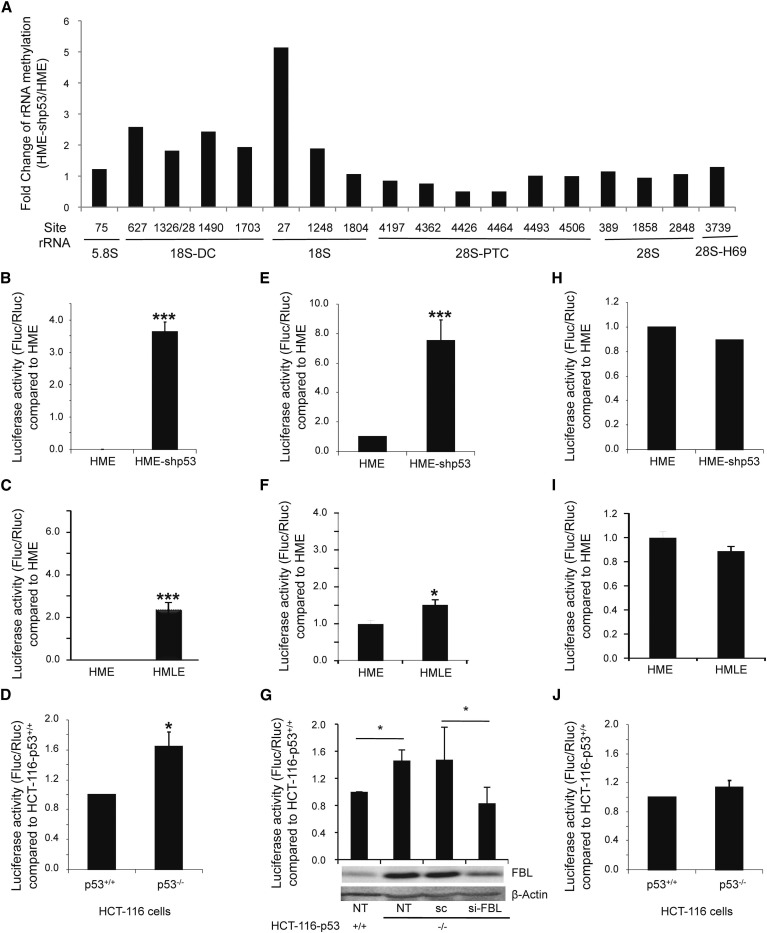
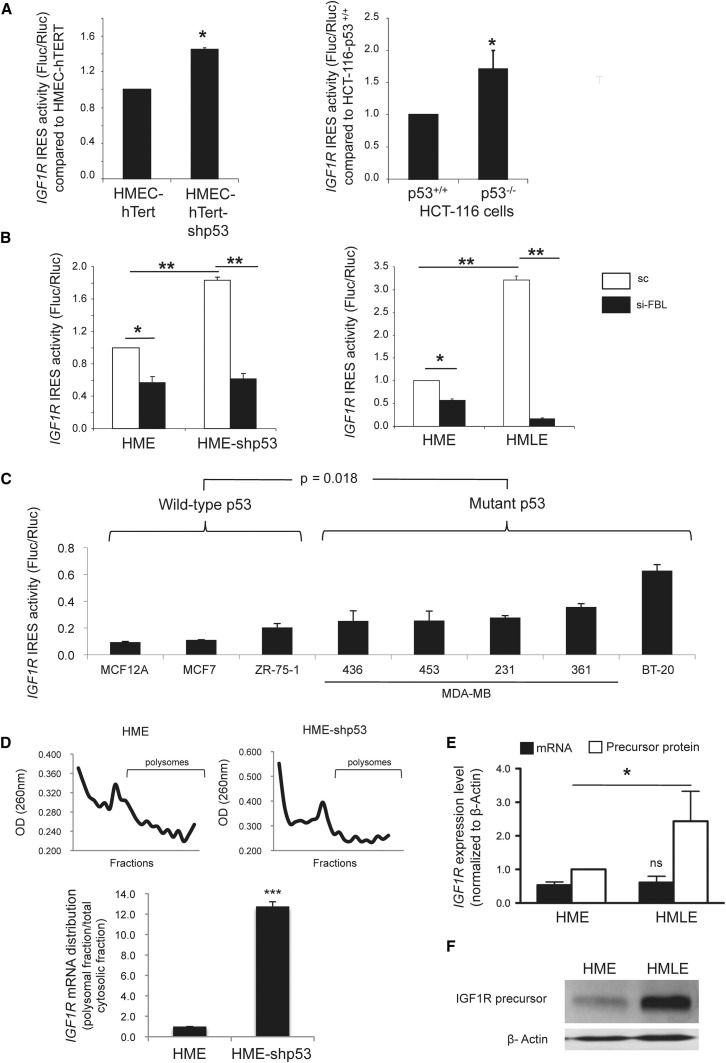
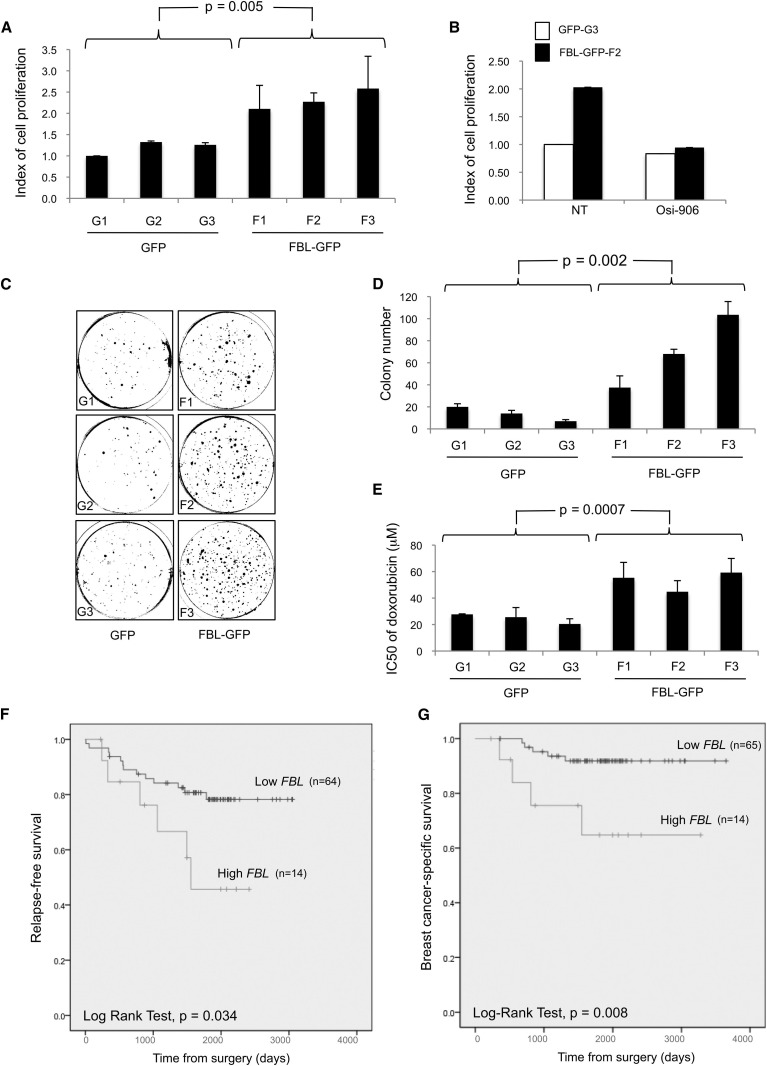
Ribosomes are specialized entities that participate in regulation of gene expression through their rRNAs carrying ribozyme activity. Ribosome biogenesis is overactivated in p53-inactivated cancer cells, although involvement of p53 on ribosome quality is unknown. Here, we show that p53 represses expression of the rRNA methyl-transferase fibrillarin (FBL) by binding directly to FBL. High levels of FBL are accompanied by modifications of the rRNA methylation pattern, impairment of translational fidelity, and an increase of internal ribosome entry site (IRES)-dependent translation initiation of key cancer genes. FBL overexpression contributes to tumorigenesis and is associated with poor survival in patients with breast cancer. Thus, p53 acts as a safeguard of protein synthesis by regulating FBL and the subsequent quality and intrinsic activity of ribosomes.
核糖体是通过携带核酶活性的 rRNA 参与基因表达调控的特殊实体。尽管 p53 对核糖体质量的参与情况尚不清楚,但 p53 失活的癌细胞中核糖体生物发生被过度激活。在这里,我们表明 p53 通过直接结合 FBL 来抑制 rRNA 甲基转移酶 fibrillarin (FBL) 的表达。高水平的 FBL 伴随着 rRNA 甲基化模式的改变、翻译保真度的损害,以及关键癌症基因的内部核糖体进入位点 (IRES) 依赖性翻译起始的增加。FBL 的过表达有助于肿瘤发生,并且与乳腺癌患者的不良预后相关。因此,p53 通过调节 FBL 以及随后的核糖体质量和内在活性,充当蛋白质合成的保障。