Sinsuebpol Chutima, Chatchawalsaisin Jittima, Kulvanich Poj
Department of Pharmaceutics and Industrial Pharmacy, Faculty of Pharmaceutical Sciences, Chulalongkorn University, 254 Phayathai Road, Bangkok, Thailand.
Drug Des Devel Ther. 2013 Aug 28;7:861-73. doi: 10.2147/DDDT.S47681. eCollection 2013.
The aim of the present study was to prepare inhalable co-spray dried powders of salmon calcitonin loaded chitosan nanoparticles (sCT-CS-NPs) with mannitol and investigate pulmonary absorption in rats.
The sCT-CS-NPs were prepared by the ionic gelation method using sodium tripolyphosphate (TPP) as a cross-linking polyion. Inhalable dry powders were obtained by co-spray drying aqueous dispersion of sCT-CS-NPs and mannitol. sCT-CS-NPs co-spray dried powders were characterized with respect to morphology, particle size, powder density, aerodynamic diameter, protein integrity, in vitro release of sCT, and aerosolization. The plasmatic sCT levels following intratracheal administration of sCT-CS-NPs spray dried powders to the rats was also determined.
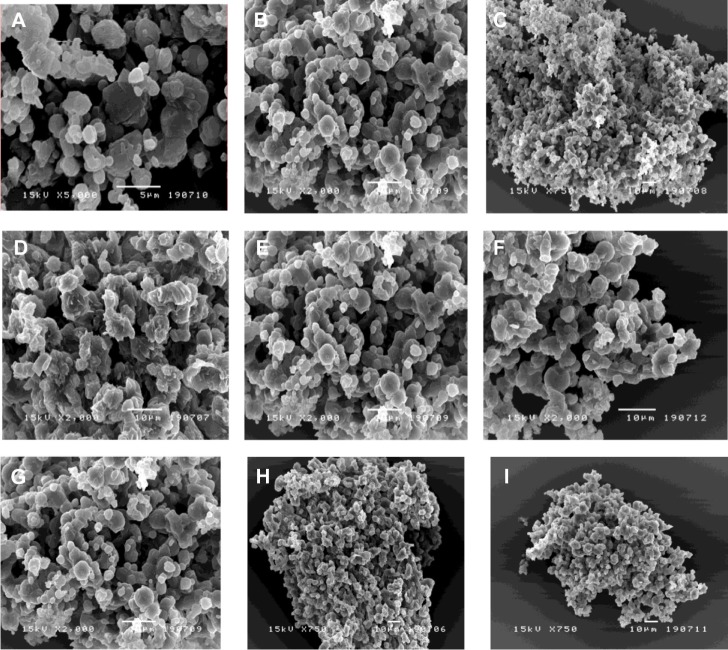
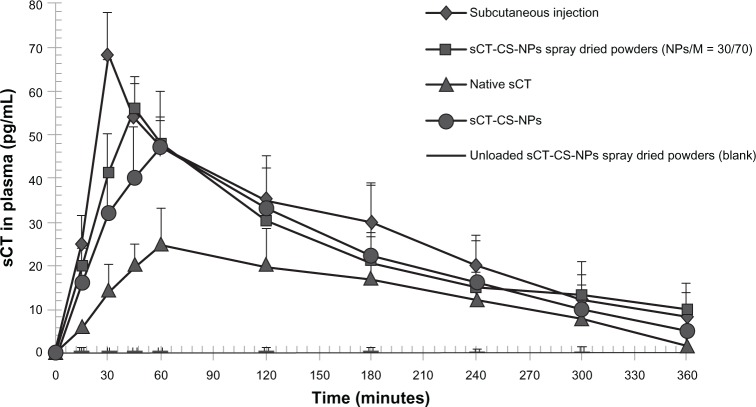
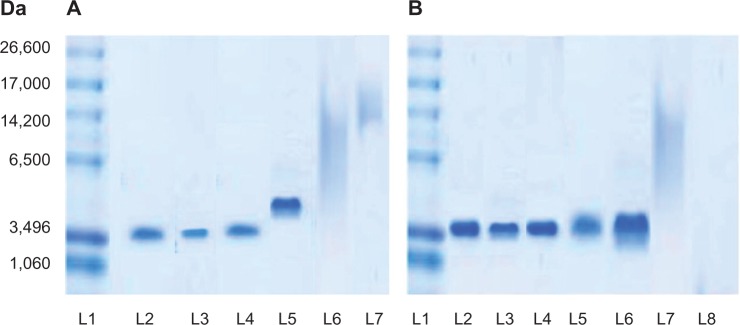
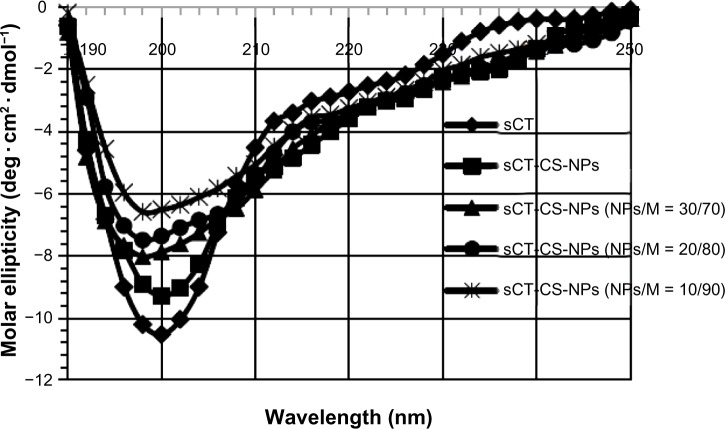
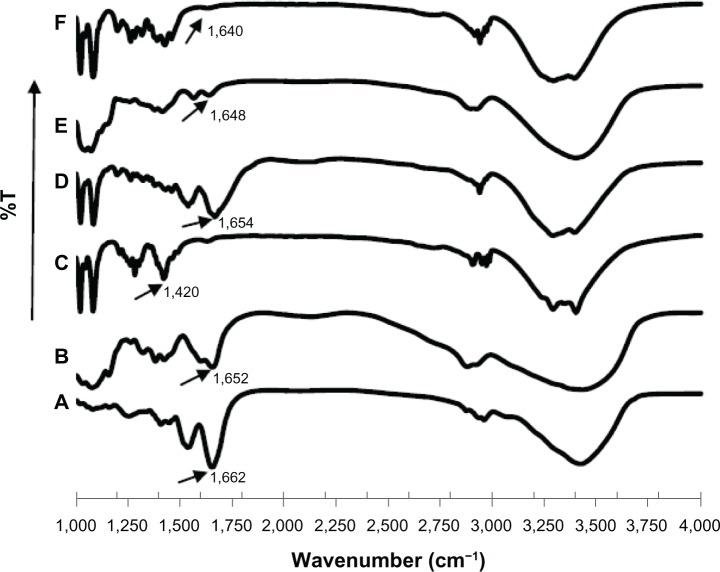
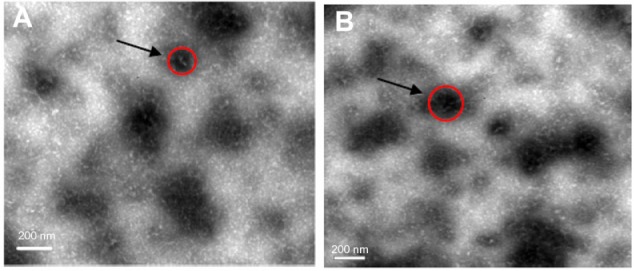
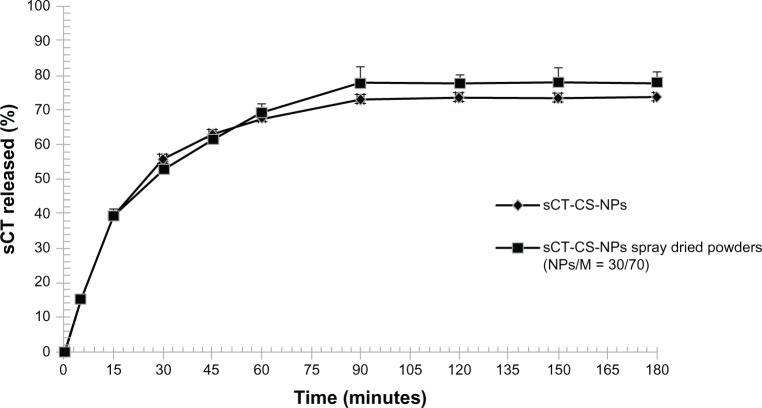
sCT-CS-NPs were able to be incorporated into mannitol forming inhalable microparticles by the spray drying process. The sCT-CS-NPs/mannitol ratios and spray drying process affected the properties of the microparticles obtained. The conformation of the secondary structures of sCTs was affected by both mannitol content and spray dry inlet temperature. The sCT-CS-NPs were recovered after reconstitution of spray dried powders in an aqueous medium. The sCT release profile from spray dried powders was similar to that from sCT-CS-NPs. In vitro inhalation parameters measured by the Andersen cascade impactor indicated sCT-CS-NPs spray dried powders having promising aerodynamic properties for deposition in the deep lung. Determination of the plasmatic sCT levels following intratracheal administration to rats revealed that the inhalable sCT-CS NPs spray dried powders provided higher protein absorption compared to native sCT powders.
The sCT-CS-NPs with mannitol based spray dried powders were prepared to have appropriate aerodynamic properties for pulmonary delivery. The developed system was able to deliver sCT via a pulmonary route into the systemic circulation.
本研究旨在制备含鲑鱼降钙素的壳聚糖纳米粒(sCT-CS-NPs)与甘露醇的可吸入共喷雾干燥粉末,并研究其在大鼠体内的肺部吸收情况。
采用离子凝胶法,以三聚磷酸钠(TPP)作为交联聚离子制备sCT-CS-NPs。通过对sCT-CS-NPs和甘露醇的水分散体进行共喷雾干燥获得可吸入干粉。对sCT-CS-NPs共喷雾干燥粉末的形态、粒径、粉末密度、空气动力学直径、蛋白质完整性、sCT的体外释放以及雾化情况进行了表征。还测定了将sCT-CS-NPs喷雾干燥粉末经气管内给予大鼠后血浆中sCT的水平。
通过喷雾干燥工艺,sCT-CS-NPs能够与甘露醇混合形成可吸入微粒。sCT-CS-NPs/甘露醇的比例以及喷雾干燥工艺会影响所获得微粒的性质。sCT二级结构的构象受到甘露醇含量和喷雾干燥进口温度的影响。将喷雾干燥粉末在水性介质中复溶后可回收sCT-CS-NPs。喷雾干燥粉末中sCT的释放曲线与sCT-CS-NPs相似。用安德森级联撞击器测量的体外吸入参数表明,sCT-CS-NPs喷雾干燥粉末具有良好的空气动力学性质,有利于在深部肺组织沉积。对大鼠经气管内给药后血浆sCT水平的测定显示,与天然sCT粉末相比,可吸入的sCT-CS NPs喷雾干燥粉末具有更高的蛋白质吸收。
制备了含甘露醇的sCT-CS-NPs喷雾干燥粉末,使其具有适合肺部给药的空气动力学性质。所开发的系统能够通过肺部途径将sCT递送至体循环。