Department of Biology, University of Pennsylvania, Philadelphia, Pennsylvania, United States of America ; Department of Biochemistry and Biophysics, Perelman School of Medicine, University of Pennsylvania, Philadelphia, Pennsylvania, United States of America ; Neuroscience Graduate Group, Perelman School of Medicine at the University of Pennsylvania, Philadelphia, Pennsylvania, United States of America.
PLoS Genet. 2013;9(9):e1003781. doi: 10.1371/journal.pgen.1003781. Epub 2013 Sep 5.
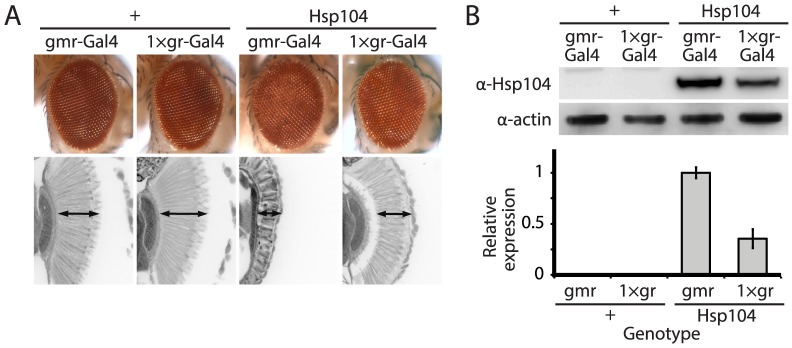
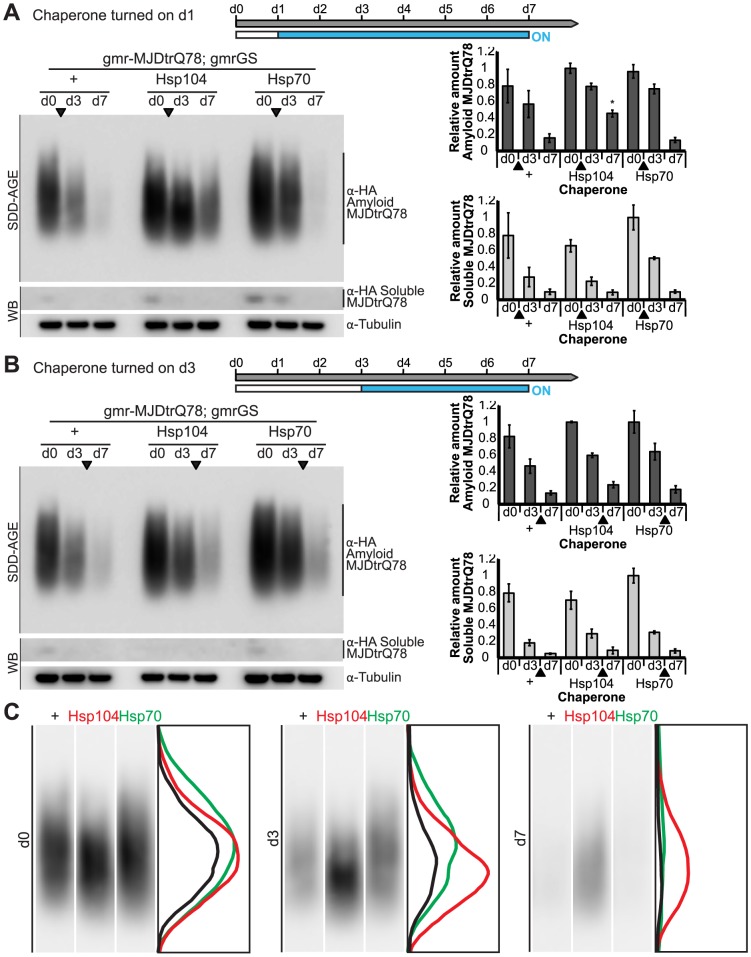
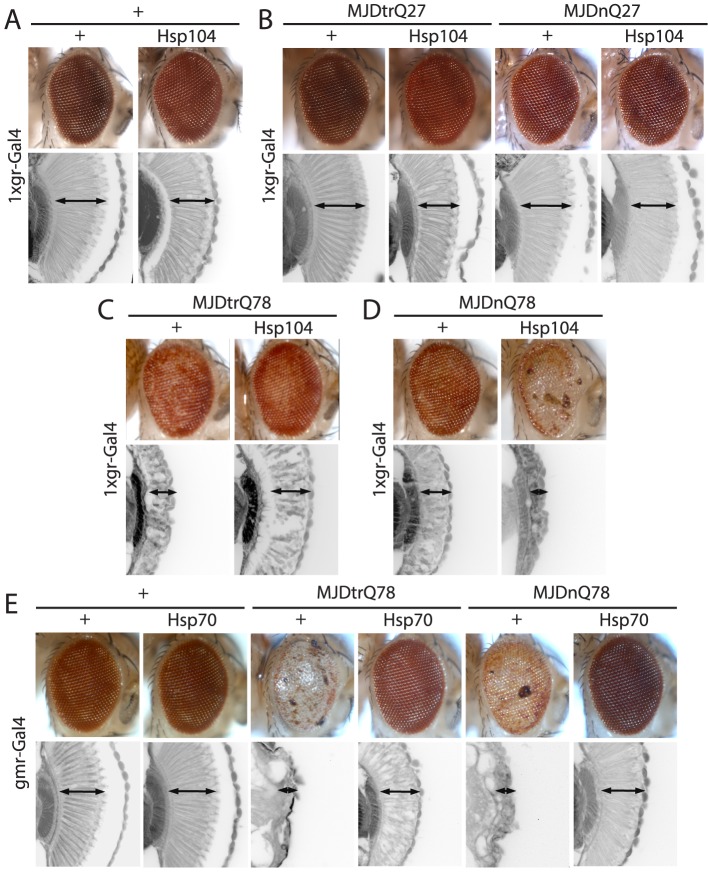
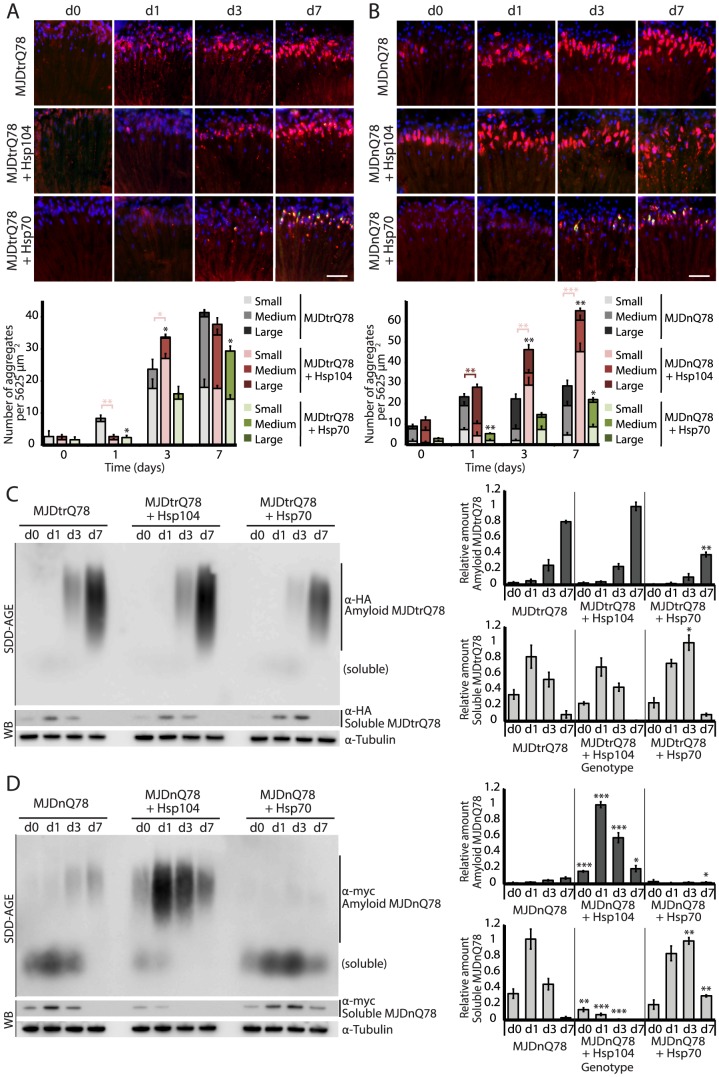
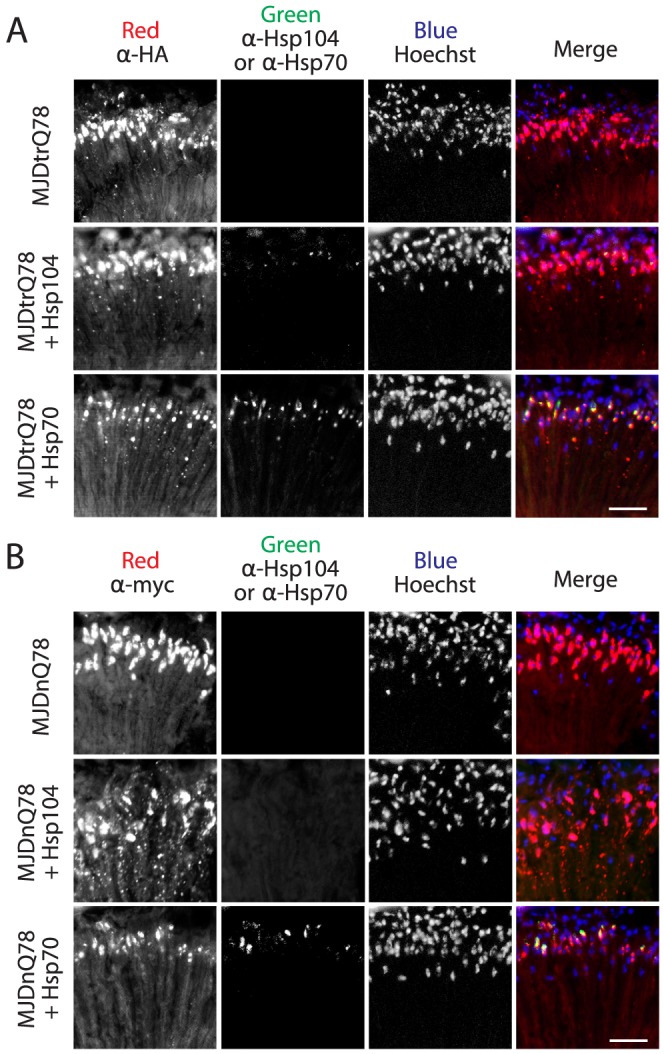
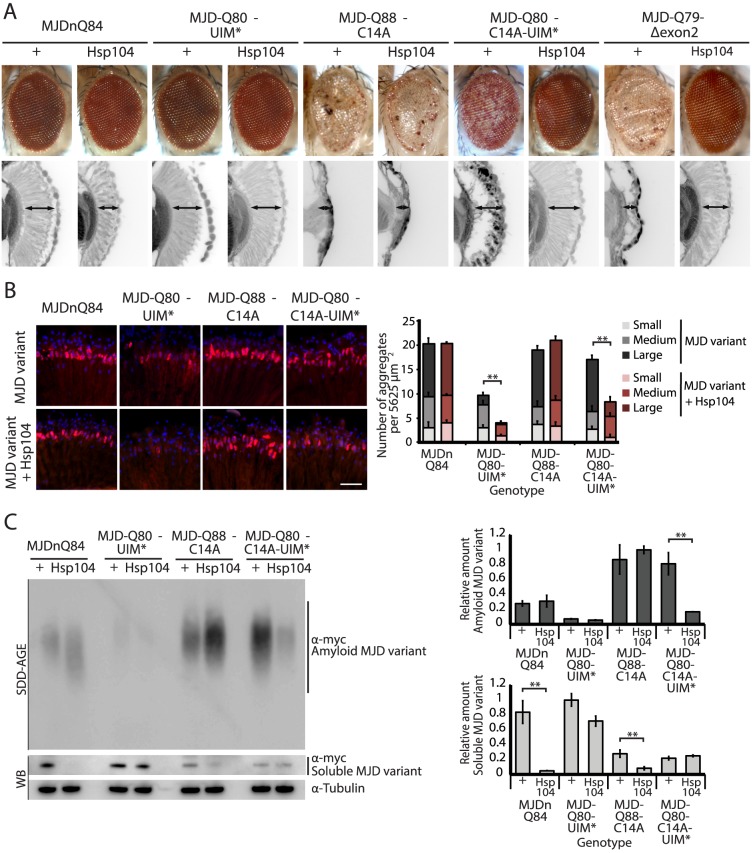
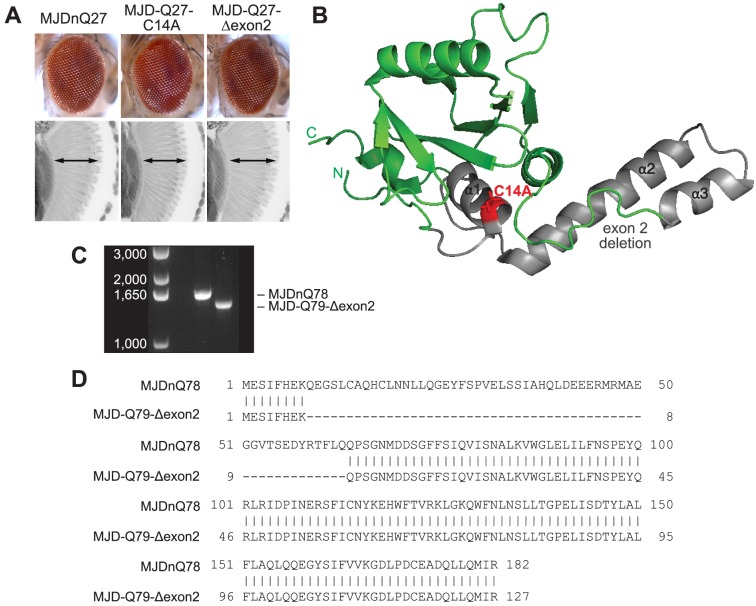
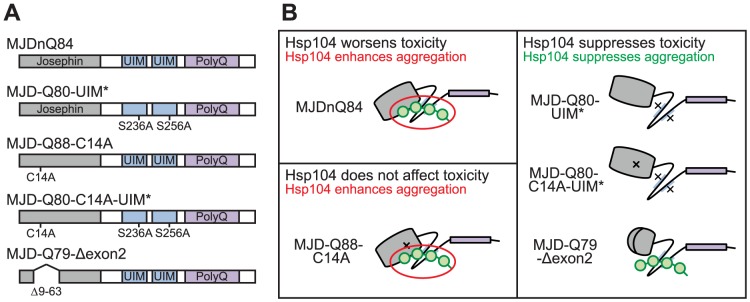
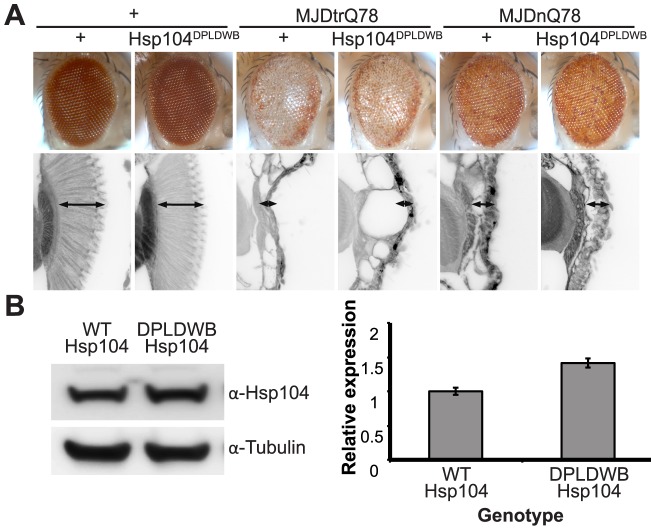
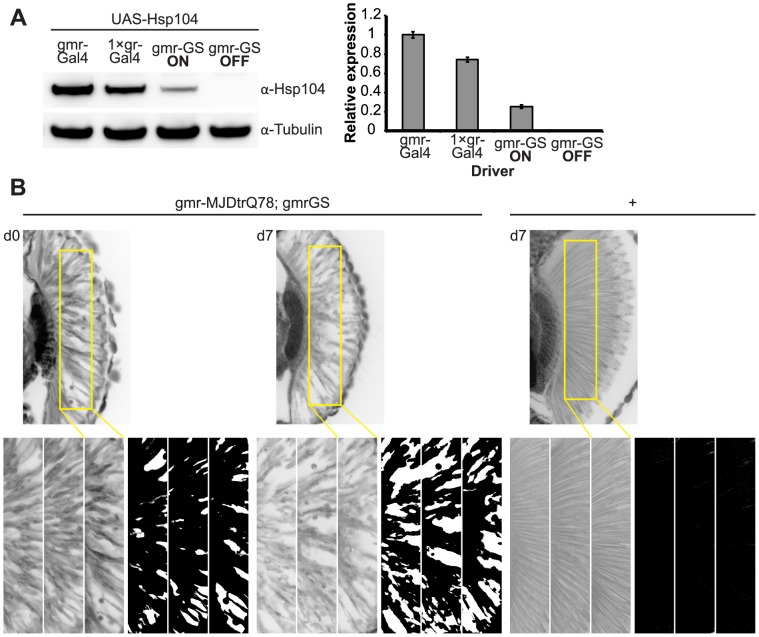
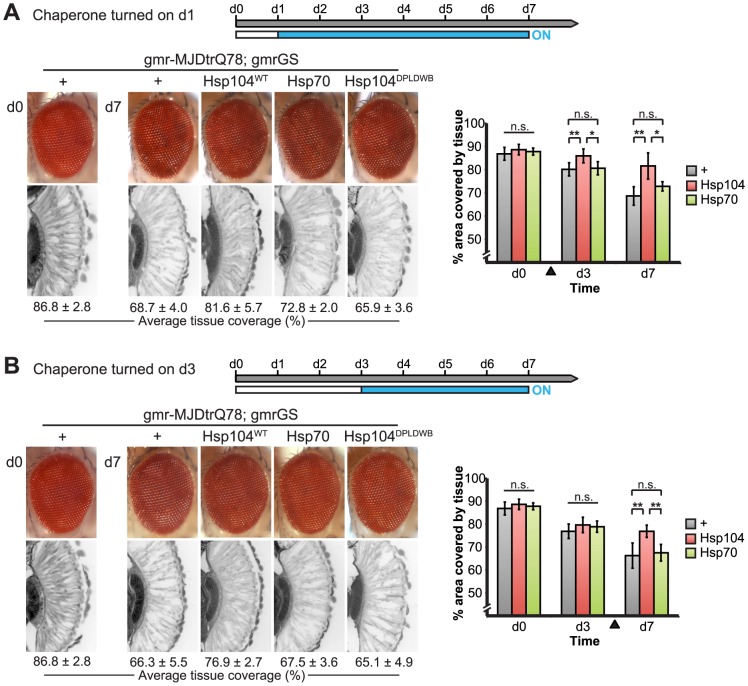
There are no effective therapeutics that antagonize or reverse the protein-misfolding events underpinning polyglutamine (PolyQ) disorders, including Spinocerebellar Ataxia Type-3 (SCA3). Here, we augment the proteostasis network of Drosophila SCA3 models with Hsp104, a powerful protein disaggregase from yeast, which is bafflingly absent from metazoa. Hsp104 suppressed eye degeneration caused by a C-terminal ataxin-3 (MJD) fragment containing the pathogenic expanded PolyQ tract, but unexpectedly enhanced aggregation and toxicity of full-length pathogenic MJD. Hsp104 suppressed toxicity of MJD variants lacking a portion of the N-terminal deubiquitylase domain and full-length MJD variants unable to engage polyubiquitin, indicating that MJD-ubiquitin interactions hinder protective Hsp104 modalities. Importantly, in staging experiments, Hsp104 suppressed toxicity of a C-terminal MJD fragment when expressed after the onset of PolyQ-induced degeneration, whereas Hsp70 was ineffective. Thus, we establish the first disaggregase or chaperone treatment administered after the onset of pathogenic protein-induced degeneration that mitigates disease progression.
目前尚无有效的治疗方法可以拮抗或逆转导致多聚谷氨酰胺(PolyQ)疾病的蛋白质错误折叠事件,包括脊髓小脑共济失调 3 型(SCA3)。在这里,我们通过热休克蛋白 104(一种来自酵母的强大的蛋白质解聚酶)来增强果蝇 SCA3 模型的蛋白质稳态网络,而这种蛋白在后生动物中却令人费解地缺失。热休克蛋白 104 抑制了含有致病扩展 PolyQ 片段的 C 端 ataxin-3(MJD)片段引起的眼睛退化,但出人意料地增强了全长致病 MJD 的聚集和毒性。热休克蛋白 104 抑制了缺乏一部分 N 端去泛素化酶结构域的 MJD 变体和不能与多泛素结合的全长 MJD 变体的毒性,表明 MJD-泛素相互作用阻碍了保护性热休克蛋白 104 模式。重要的是,在分期实验中,当表达 PolyQ 诱导的变性后,热休克蛋白 104 抑制了 C 端 MJD 片段的毒性,而热休克蛋白 70 则无效。因此,我们建立了第一个在致病性蛋白诱导的变性发生后进行的解聚酶或伴侣治疗方法,可以减轻疾病的进展。