Systems Medicine Department, Child Neurology and Psychiatry Unit, Tor Vergata University Hospital of Rome, Via Montpellier 1, 00133, Rome, Italy.
Ital J Pediatr. 2013 Sep 17;39:57. doi: 10.1186/1824-7288-39-57.
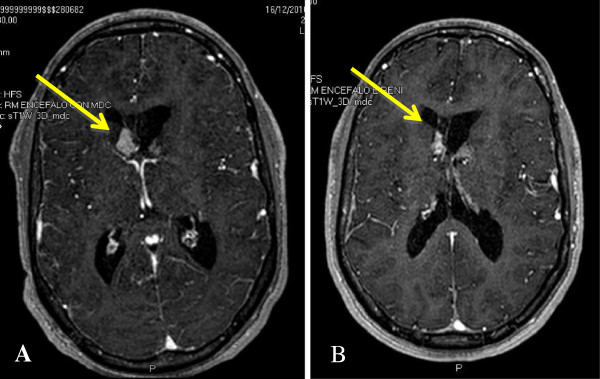
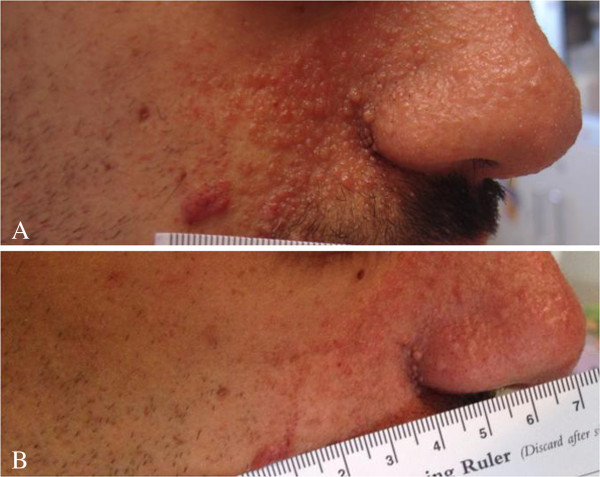
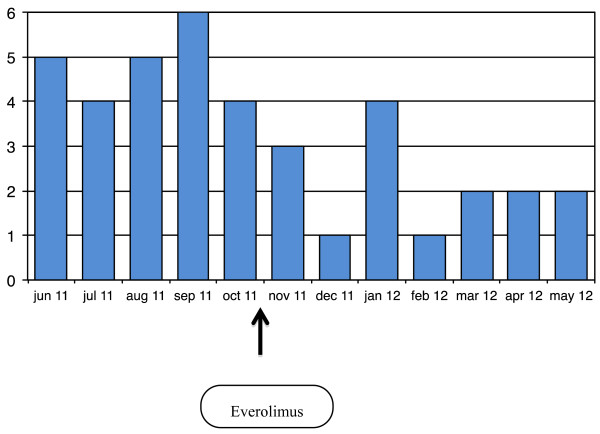
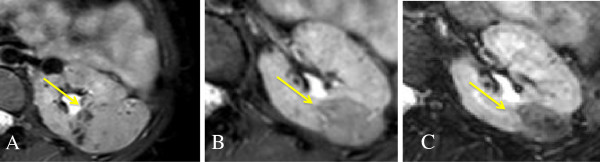
Tuberous sclerosis complex (TSC) is a genetic multisystem disorder characterized by the development of hamartomas in several organs. Mutations in the TSC1 and TSC2 tumor suppressor genes determin overactivation of the mammalian target of rapamycin (mTOR) signaling pathway and subsequent abnormalities in numerous cell processes. As a result, mTOR inhibitors such as sirolimus and everolimus have the potential to provide targeted therapy for TSC patients. Everolimus has been recently approved as a pharmacotherapy option for TSC patients with subependymal giant-cell astrocytomas (SEGAs) or renal angiomyolipomas (AMLs). However, clinical evidence suggests that this treatment can benefit other TSC-associated disease manifestations, such as skin manifestations, pulmonary lymphangioleiomyomatosis, cardiac rhabdomyomas, and epilepsy. Therefore, the positive effects that mTOR inhibition have on a wide variety of TSC disease manifestations make this a potential systemic treatment option for this genetic multifaceted disorder.
结节性硬化症复合征(TSC)是一种遗传性多系统疾病,其特征是多个器官的错构瘤形成。 TSC1 和 TSC2 肿瘤抑制基因的突变导致哺乳动物雷帕霉素靶蛋白(mTOR)信号通路的过度激活,随后导致许多细胞过程的异常。 因此,mTOR 抑制剂(如西罗莫司和依维莫司)有可能为 TSC 患者提供靶向治疗。 依维莫司最近被批准为有室管膜下巨细胞星形细胞瘤(SEGAs)或肾血管平滑肌脂肪瘤(AMLs)的 TSC 患者的药物治疗选择。 然而,临床证据表明,这种治疗可能有益于其他 TSC 相关的疾病表现,如皮肤表现、肺淋巴管平滑肌瘤病、心脏横纹肌瘤和癫痫。 因此,mTOR 抑制对 TSC 多种疾病表现的积极影响使其成为这种遗传性多方面疾病的潜在全身治疗选择。