MRC Human Genetics Unit, MRC Institute of Genetics and Molecular Medicine, University of Edinburgh, Western General Hospital, Crewe Road, Edinburgh, EH4 2XU, UK,
Cell Mol Life Sci. 2014 May;71(9):1581-605. doi: 10.1007/s00018-013-1468-0. Epub 2013 Sep 18.
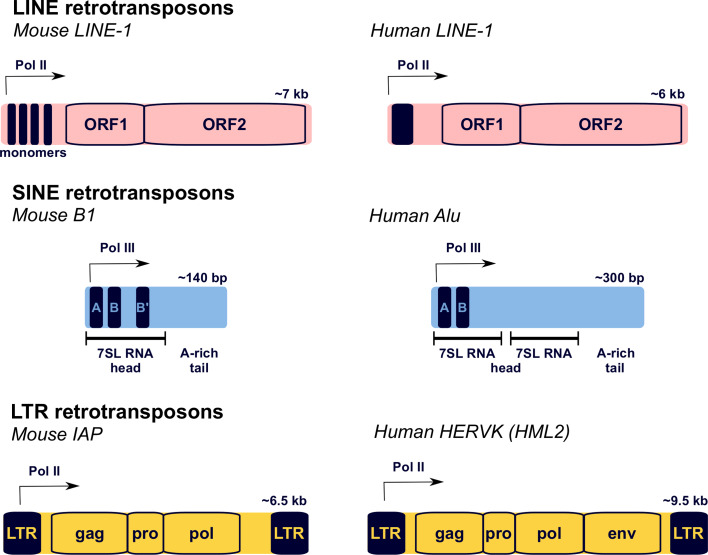
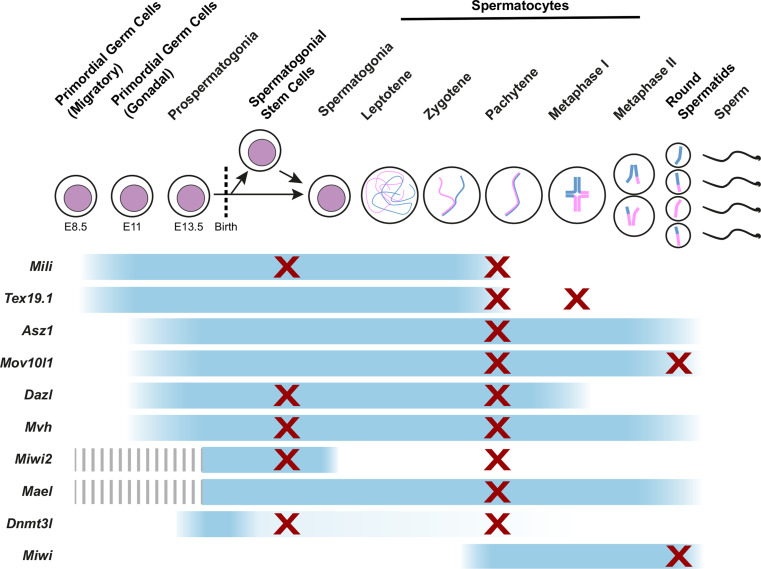
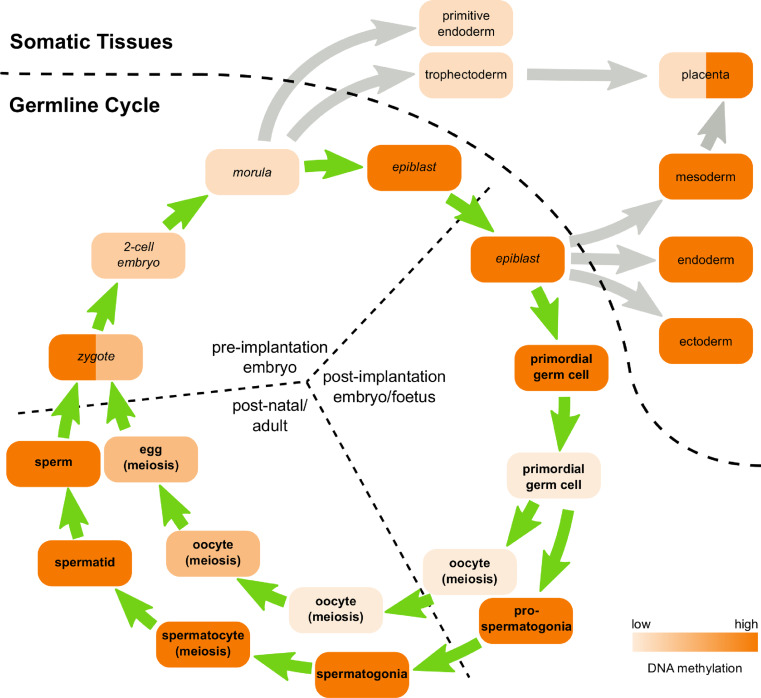
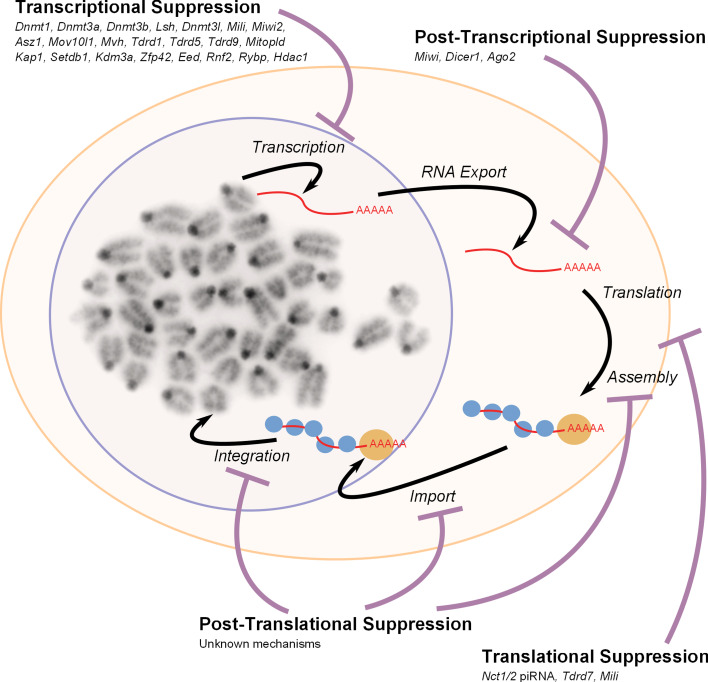
The viability of any species requires that the genome is kept stable as it is transmitted from generation to generation by the germ cells. One of the challenges to transgenerational genome stability is the potential mutagenic activity of transposable genetic elements, particularly retrotransposons. There are many different types of retrotransposon in mammalian genomes, and these target different points in germline development to amplify and integrate into new genomic locations. Germ cells, and their pluripotent developmental precursors, have evolved a variety of genome defence mechanisms that suppress retrotransposon activity and maintain genome stability across the generations. Here, we review recent advances in understanding how retrotransposon activity is suppressed in the mammalian germline, how genes involved in germline genome defence mechanisms are regulated, and the consequences of mutating these genome defence genes for the developing germline.
任何物种的生存能力都要求基因组在通过生殖细胞世代传递时保持稳定。跨代基因组稳定性的挑战之一是转座遗传元件的潜在诱变活性,特别是逆转录转座子。哺乳动物基因组中有许多不同类型的逆转录转座子,它们针对生殖系发育的不同靶点进行扩增并整合到新的基因组位置。生殖细胞及其多能发育前体已经进化出多种基因组防御机制,以抑制逆转录转座子的活性并维持跨代基因组稳定性。在这里,我们回顾了近年来在理解哺乳动物生殖系中如何抑制逆转录转座子活性、参与生殖系基因组防御机制的基因如何调控以及突变这些基因组防御基因对发育中生殖系的影响方面的进展。