National Institute of Advanced Industrial Science and Technology (AIST), Advanced Manufacturing Research Institute, 2266-98 Anagahora, Shimo-Shidami, Moriyama-ku, Nagoya 463-8560, Japan.
Sensors (Basel). 2013 Sep 17;13(9):12467-81. doi: 10.3390/s130912467.
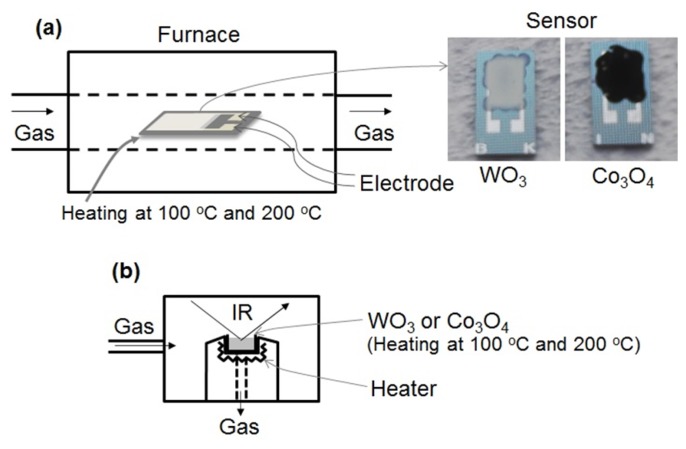
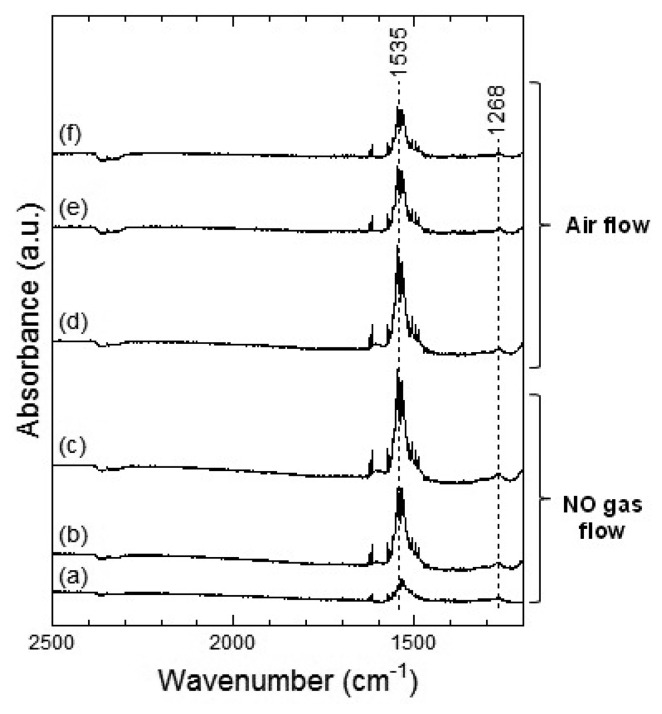
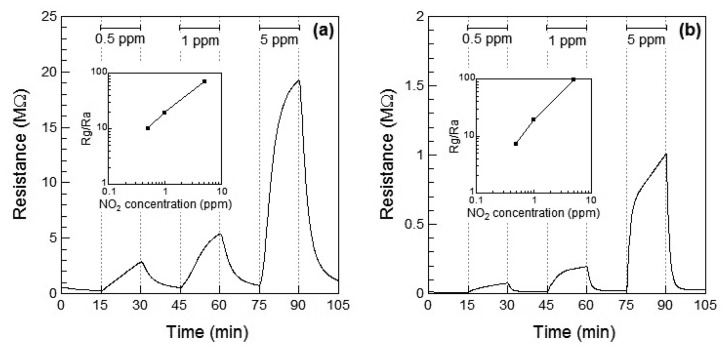
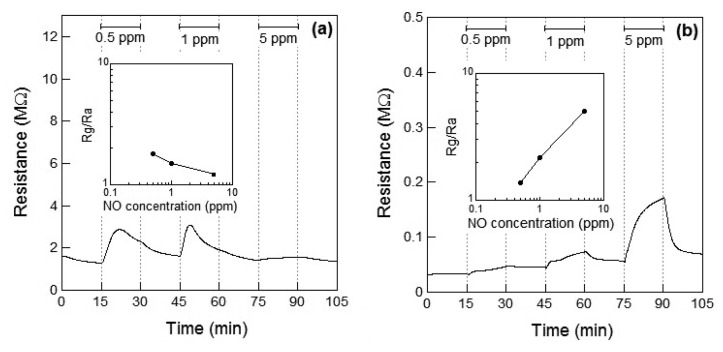
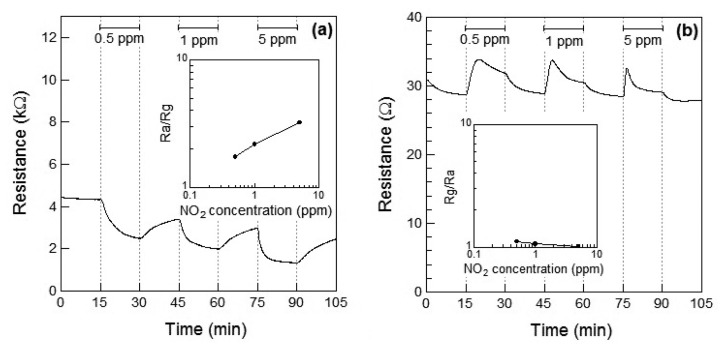
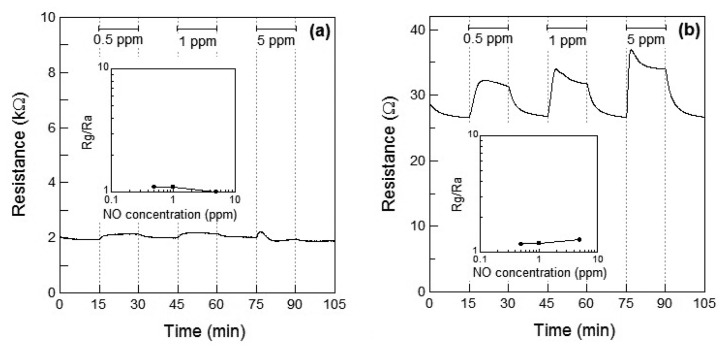
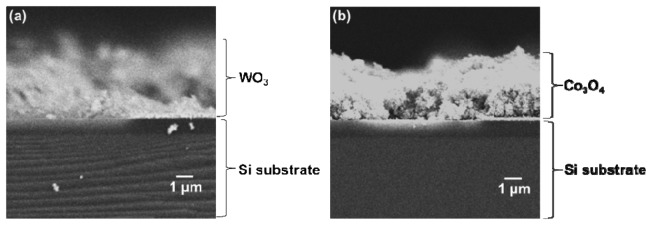
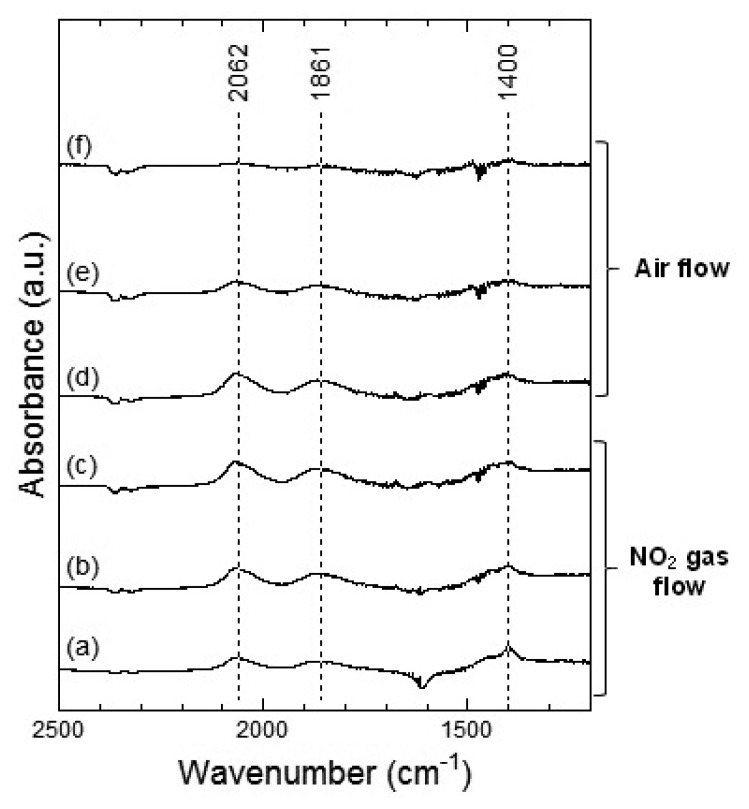
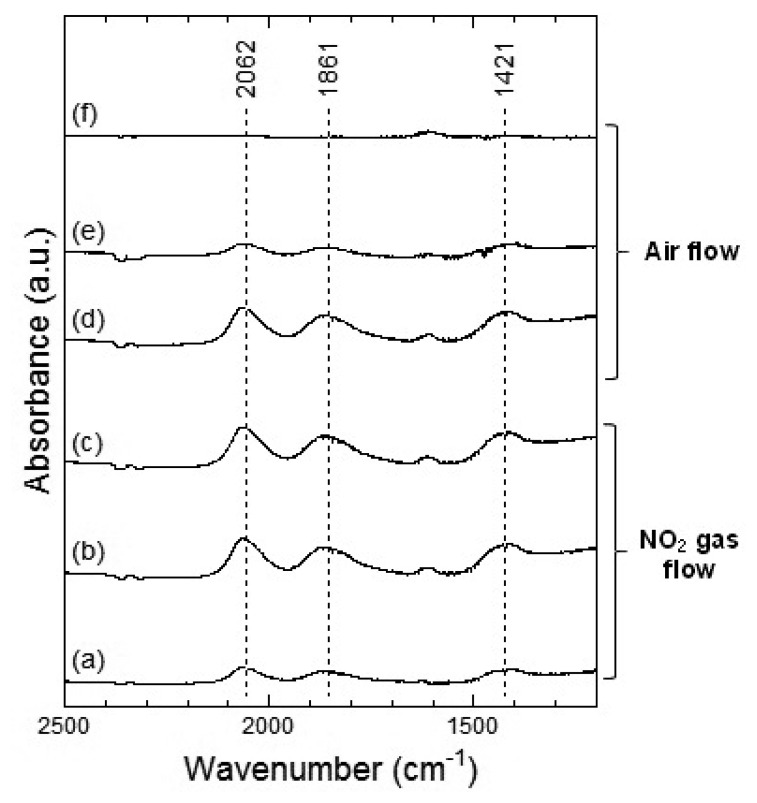
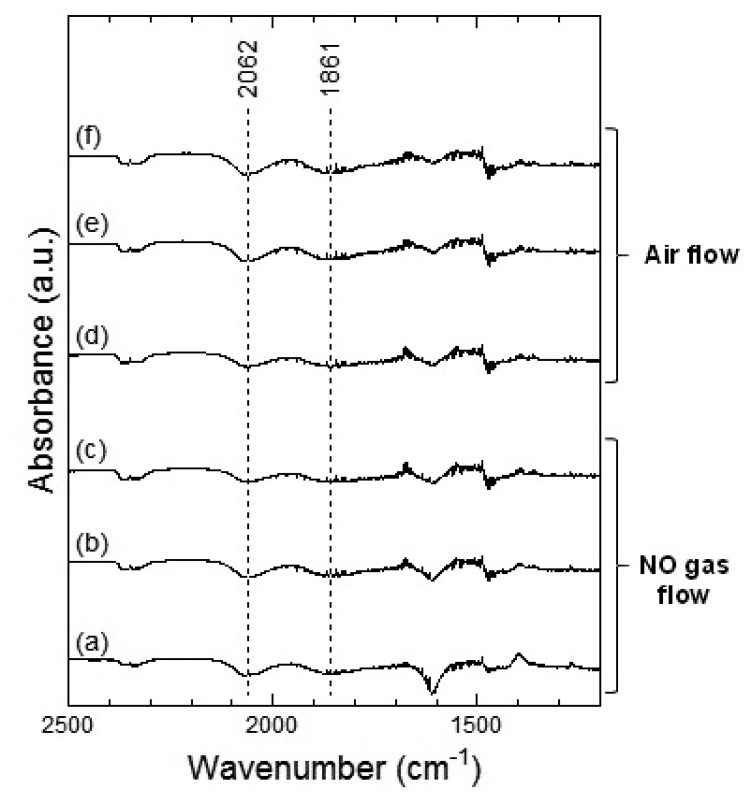
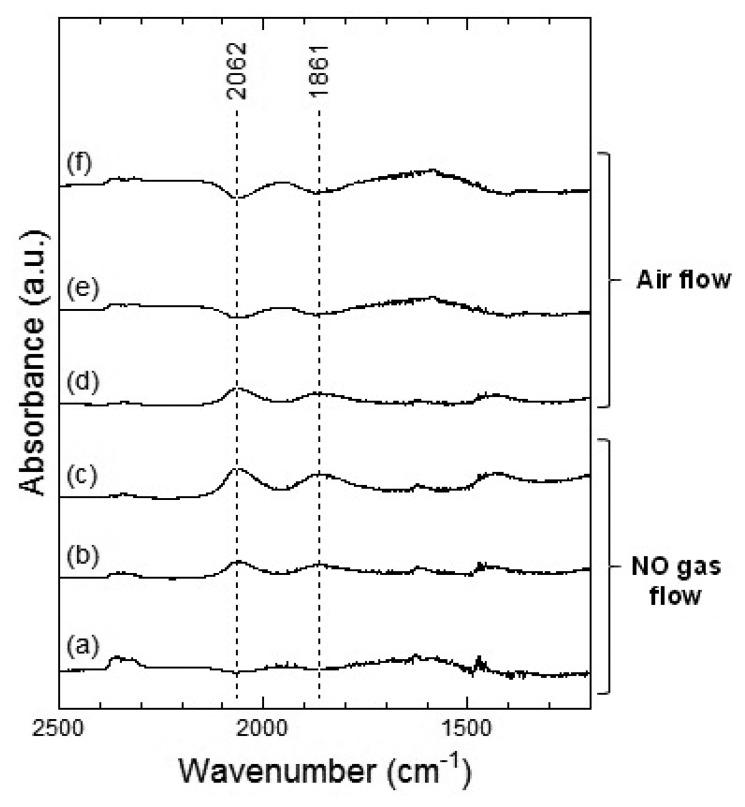
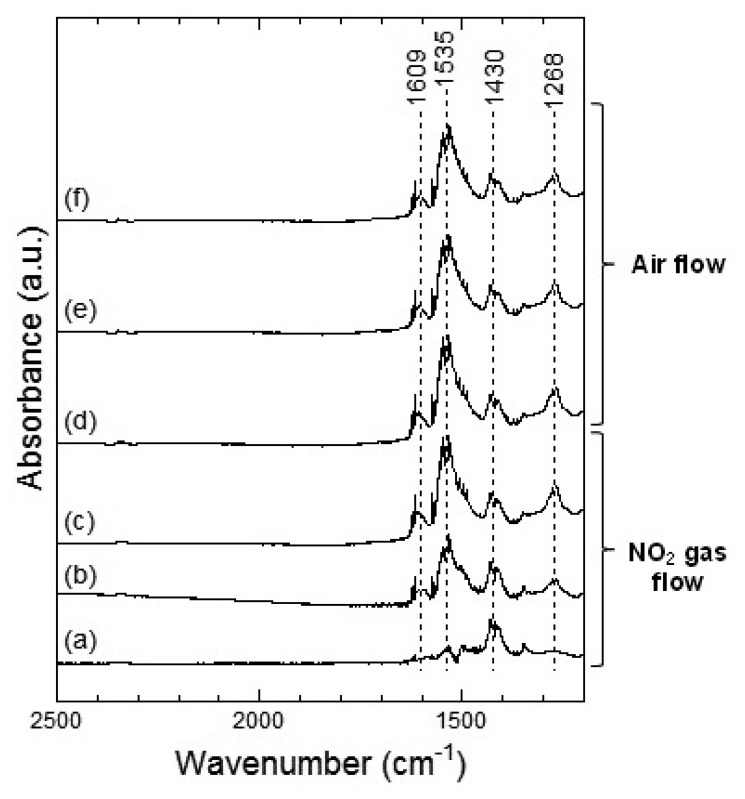
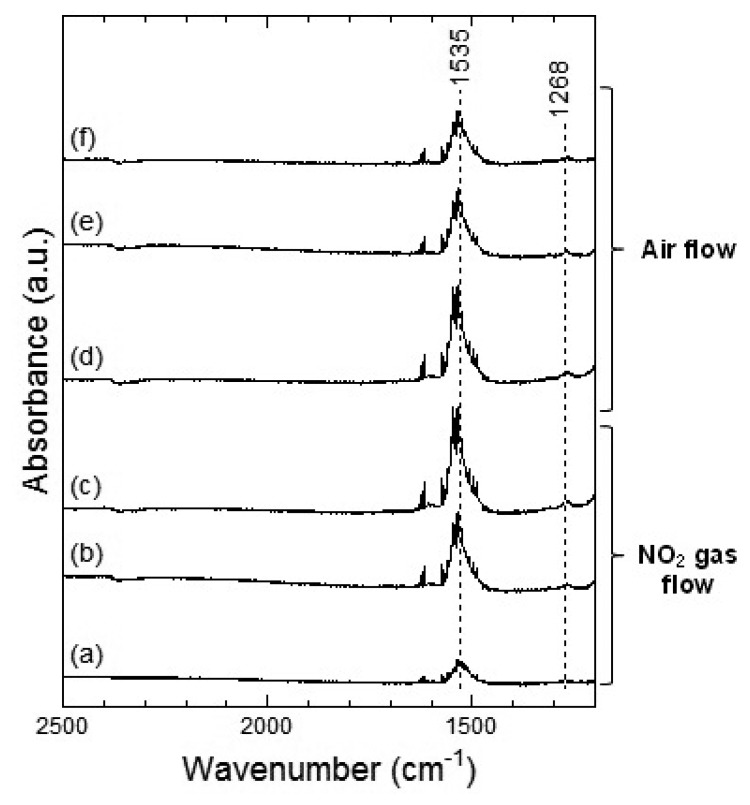
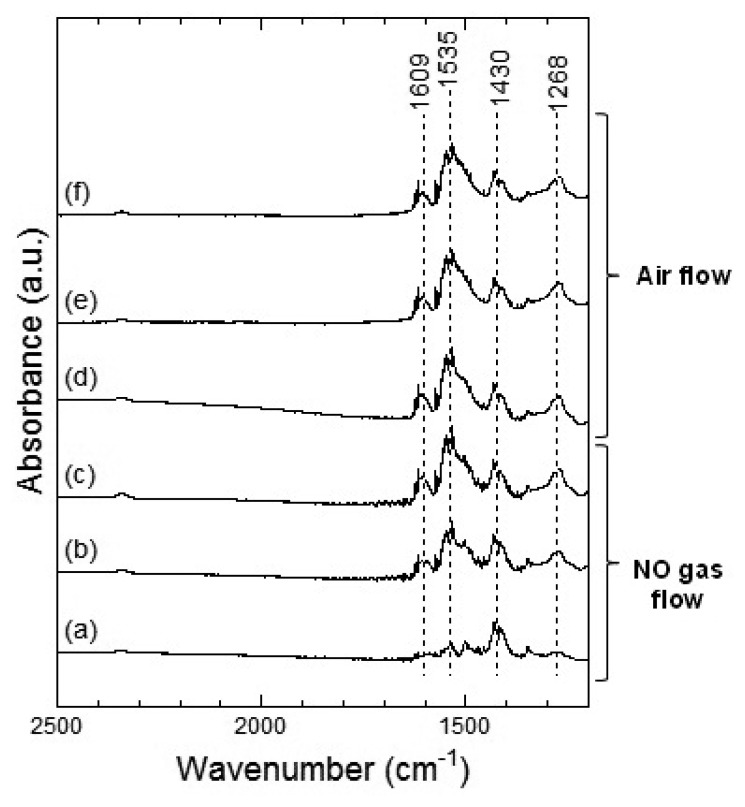
Semiconductor-based gas sensors that use n-type WO3 or p-type Co3O4 powder were fabricated and their gas sensing properties toward NO2 or NO (0.5-5 ppm in air) were investigated at 100 °C or 200 °C. The resistance of the WO3-based sensor increased on exposure to NO2 and NO. On the other hand, the resistance of the Co3O4-based sensor varied depending on the operating temperature and the gas species. The chemical states of the surface of WO3 or those of the Co3O4 powder on exposure to 1 ppm NO2 and NO were investigated by diffuse reflectance infrared Fourier transform (DRIFT) spectroscopy. No clear differences between the chemical states of the metal oxide surface exposed to NO2 or NO could be detected from the DRIFT spectra.
采用 n 型 WO3 或 p 型 Co3O4 粉末的基于半导体的气体传感器被制造出来,并在 100°C 或 200°C 下研究了它们对 NO2 或 NO(空气中 0.5-5 ppm)的气体传感性能。WO3 基传感器的电阻在暴露于 NO2 和 NO 时增加。另一方面,Co3O4 基传感器的电阻取决于工作温度和气体种类而变化。通过漫反射红外傅里叶变换(DRIFT)光谱研究了 WO3 的表面化学状态或暴露于 1 ppm NO2 和 NO 时 Co3O4 粉末的表面化学状态。从 DRIFT 光谱中无法检测到暴露于 NO2 或 NO 的金属氧化物表面的化学状态有明显差异。