Department of Pharmaceutics, Changhai Hospital, Second Military Medical University, Shanghai, PR China ; Department of Pharmaceutics, PLA No. 323 Hospital, Xi'an, Shaanxi, PR China.
Arch Med Sci. 2013 Aug 30;9(4):614-21. doi: 10.5114/aoms.2012.30829. Epub 2012 Oct 8.
Prolonged postoperative analgesia cannot be achieved by a single injection of local anesthetic solution. The objective of this study was to optimize the formulation of a ropivacaine hydrochloride (Ropi-HCl) loaded in situ forming implant (ISI) by addition of different co-solvents, and evaluate the in vitro release of Ropi-HCl, and the analgesic effect and toxicity of the optimized formulation in rats.
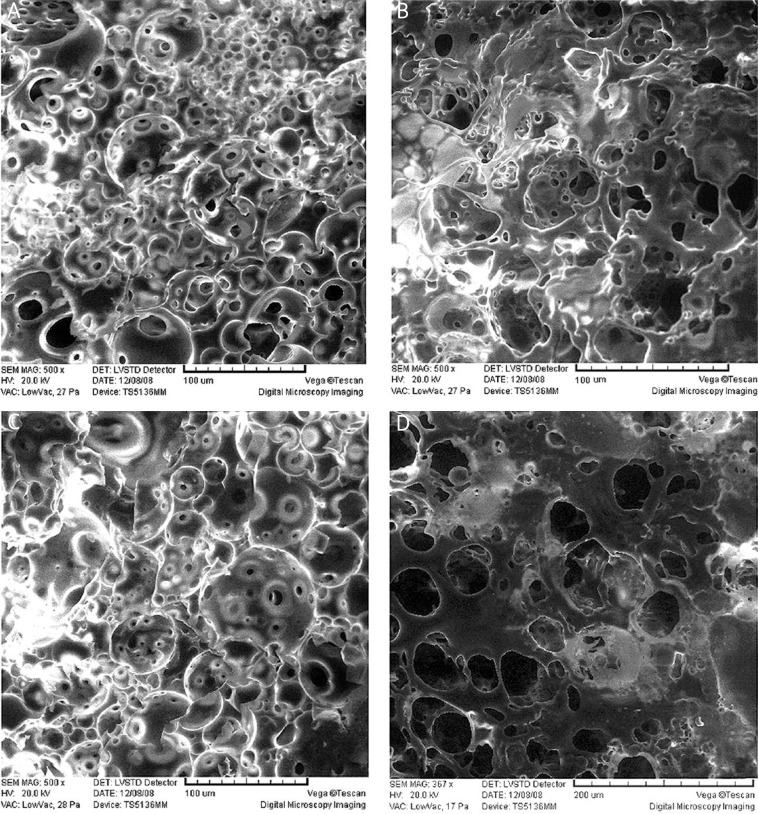
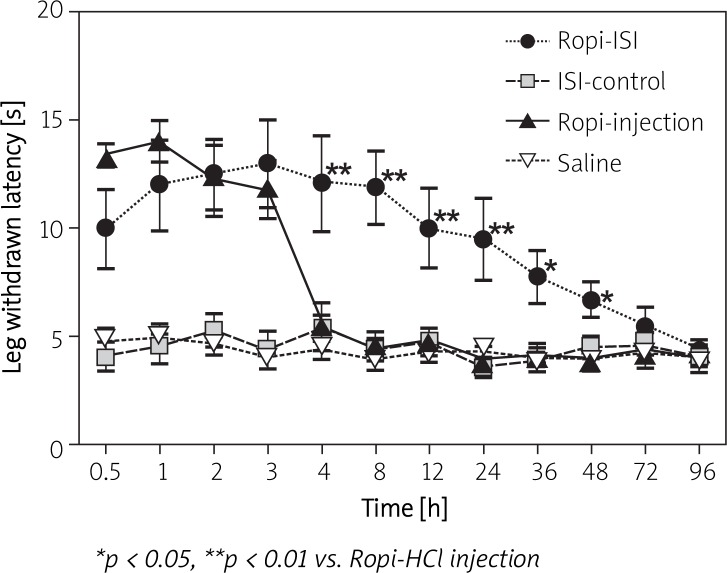
Triacetin (TA), benzyl benzoate (BB) and polyethylene glycol 400 (PEG 400) were used as additives and added to the solvent of N-methyl-2-pyrrolidone (NMP). Drug release to the surface and inner structural properties of the formed implant were evaluated by scanning electron microscopy (SEM). The analgesic effect was determined by injection near the rat sciatic nerve.
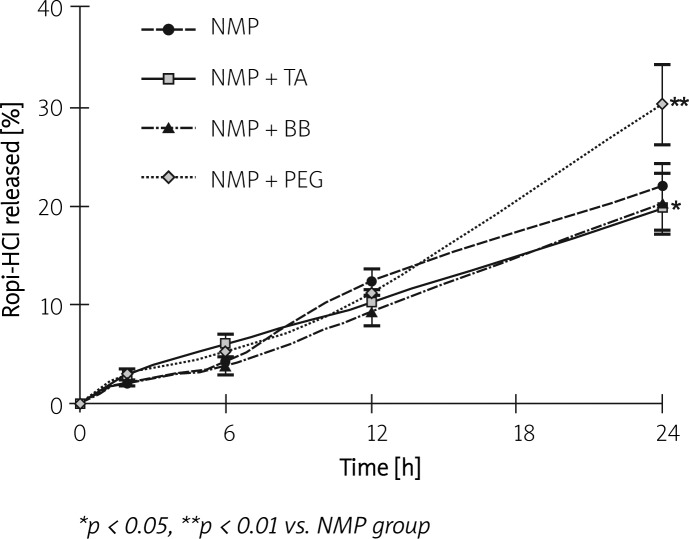
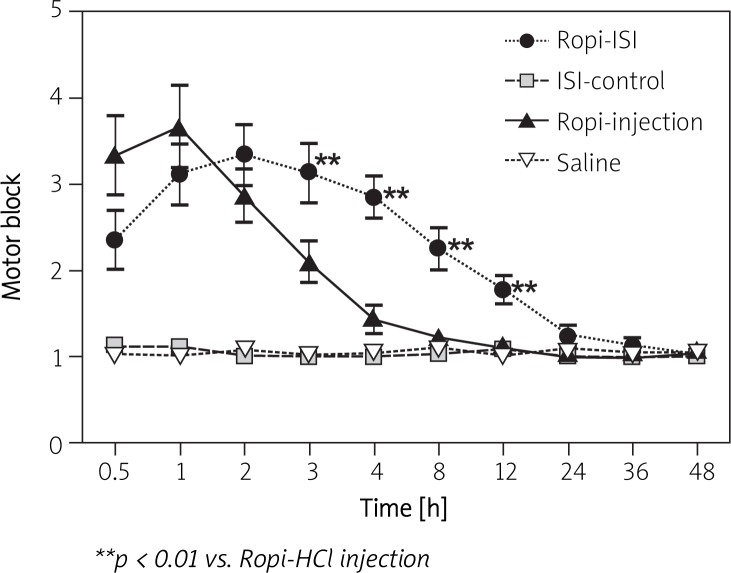
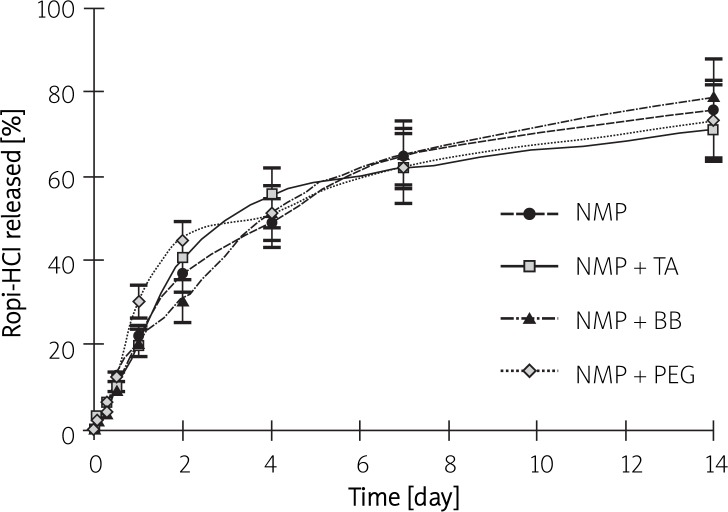
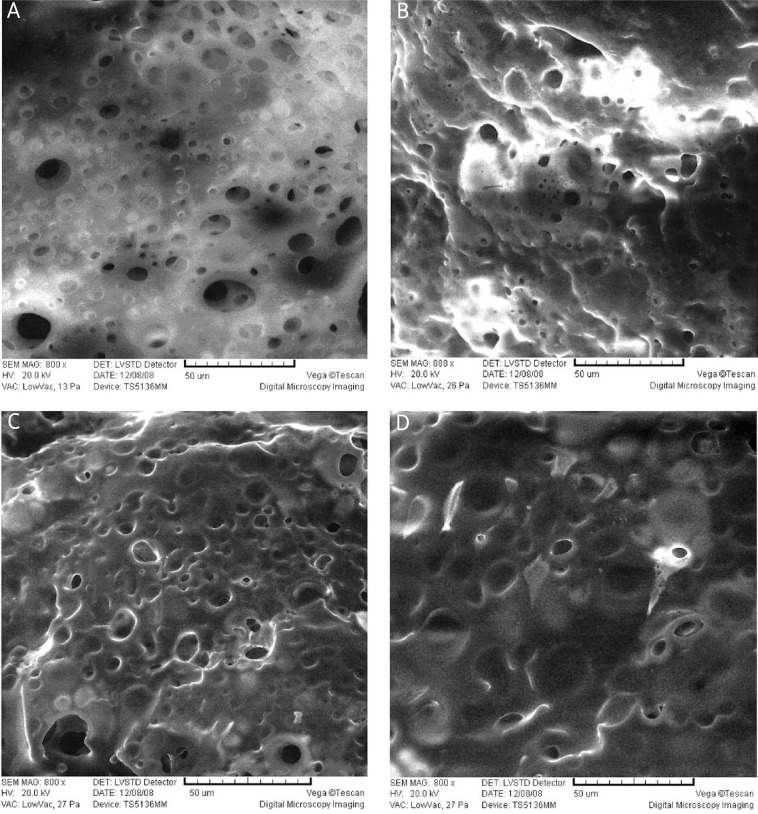
The solvent system added with TA or BB significantly decreased the burst release, whereas PEG 400 increased the Ropi-HCl burst release from the formulation. Over 70% of the incorporated Ropi-HCl was released from all formulations in 14 days in the in vitro assay. The SEM showed that the surface of NMP-BB formulation was less porous and more homogeneous, compared with the other formulations. Compared with Ropi-HCl injection, the optimized formulation (NMP-BB) significantly prolonged the analgesic effect in 48 h (p < 0.05), with a mild degree of motor block from 3 h to 12 h. Histological evaluation of the injection site revealed only mild inflammatory infiltration without obvious pathological nerve alterations.
The biodegradable Ropi-HCl-loaded ISI system with NMP-BB may prove to be an attractive and safe alternative for the delivery of parenteral local anesthetics to prolong pain relief.
单次注射局部麻醉剂溶液无法实现长时间的术后镇痛。本研究的目的是通过添加不同共溶剂来优化盐酸罗哌卡因(Ropi-HCl)负载的原位形成植入物(ISI)的配方,并评估 Ropi-HCl 的体外释放以及优化配方在大鼠中的镇痛效果和毒性。
三醋酸甘油酯(TA)、苯甲酸苄酯(BB)和聚乙二醇 400(PEG 400)被用作添加剂并添加到 N-甲基-2-吡咯烷酮(NMP)溶剂中。通过扫描电子显微镜(SEM)评估了药物向形成的植入物表面和内部结构性质的释放。通过向大鼠坐骨神经附近注射来确定镇痛效果。
添加 TA 或 BB 的溶剂系统显著降低了突释释放,而 PEG 400 增加了制剂中 Ropi-HCl 的突释释放。在体外试验中,所有制剂在 14 天内释放了超过 70%的掺入的 Ropi-HCl。SEM 显示,与其他制剂相比,NMP-BB 制剂的表面孔隙较少且更均匀。与 Ropi-HCl 注射相比,优化的配方(NMP-BB)在 48 小时内显著延长了镇痛效果(p<0.05),从 3 小时到 12 小时的运动阻滞程度较轻。注射部位的组织学评估显示仅轻度炎症浸润,无明显的病理性神经改变。
具有 NMP-BB 的可生物降解 Ropi-HCl 负载 ISI 系统可能被证明是一种有吸引力和安全的替代方案,可用于输送局部麻醉剂以延长镇痛效果。