Department of Biological Chemistry, Center for Epigenetics and Metabolism, University of California Irvine, Irvine, California, USA.
Nat Struct Mol Biol. 2013 Oct;20(10):1206-13. doi: 10.1038/nsmb.2667. Epub 2013 Sep 22.
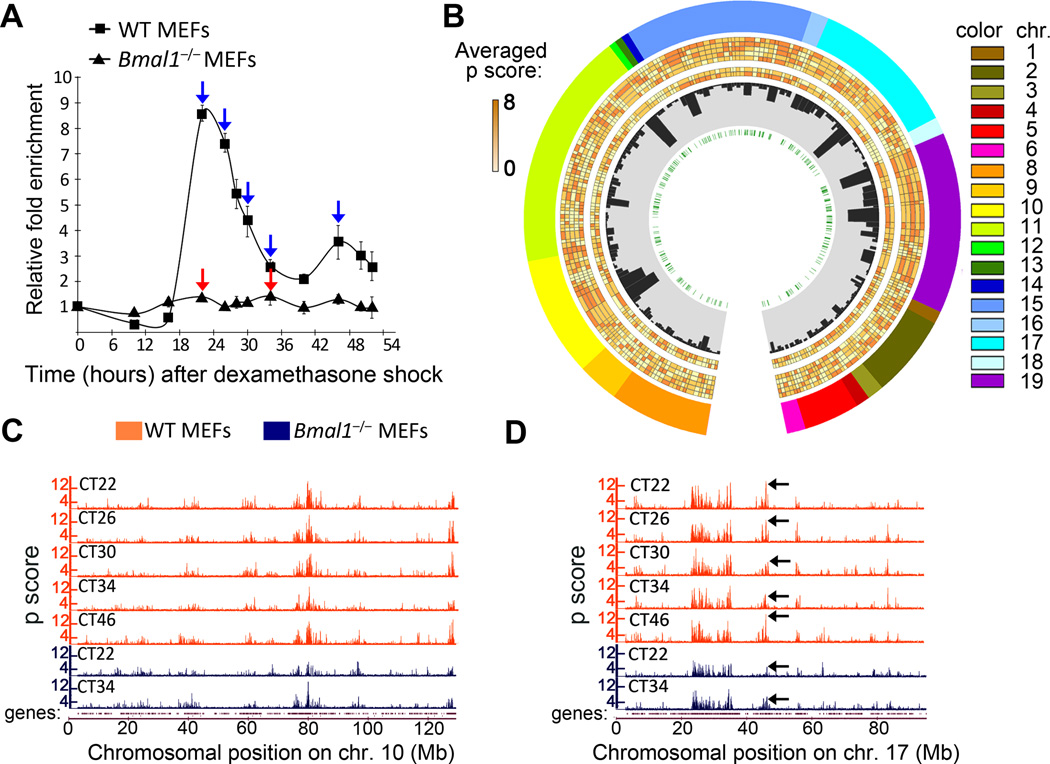
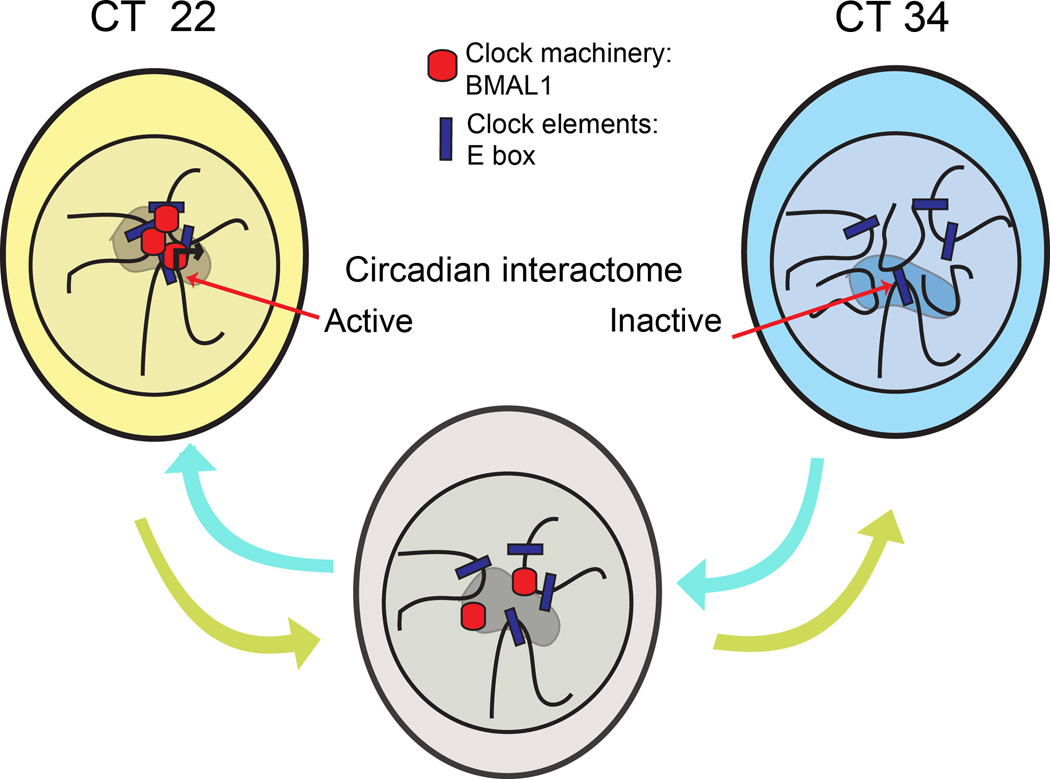
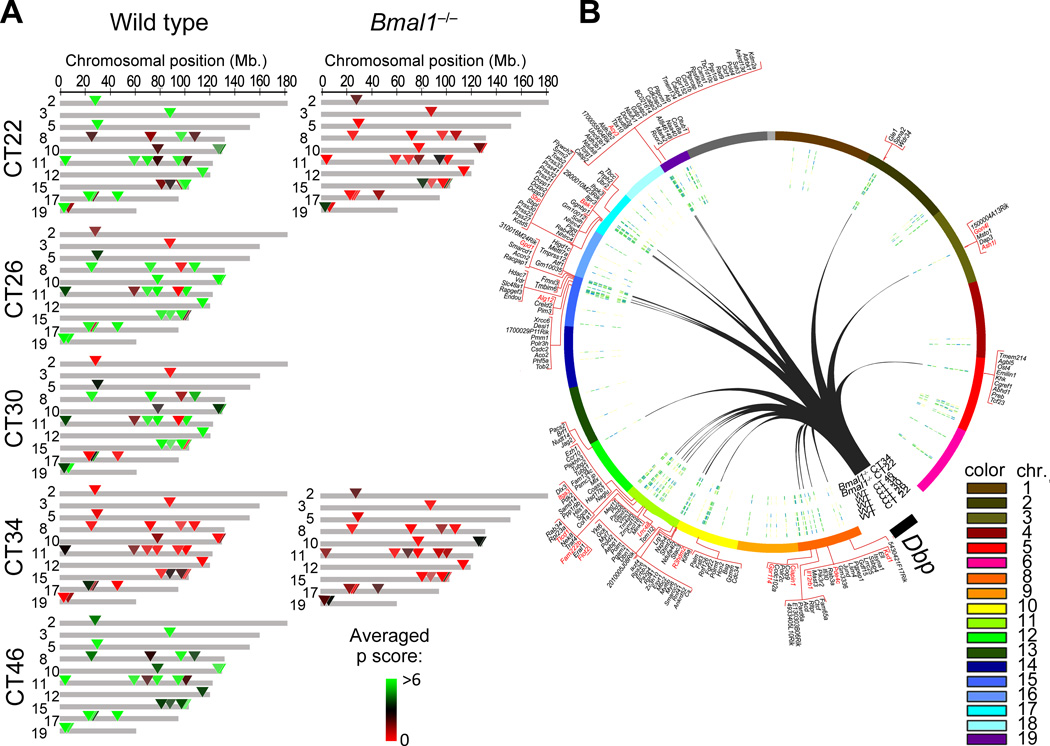
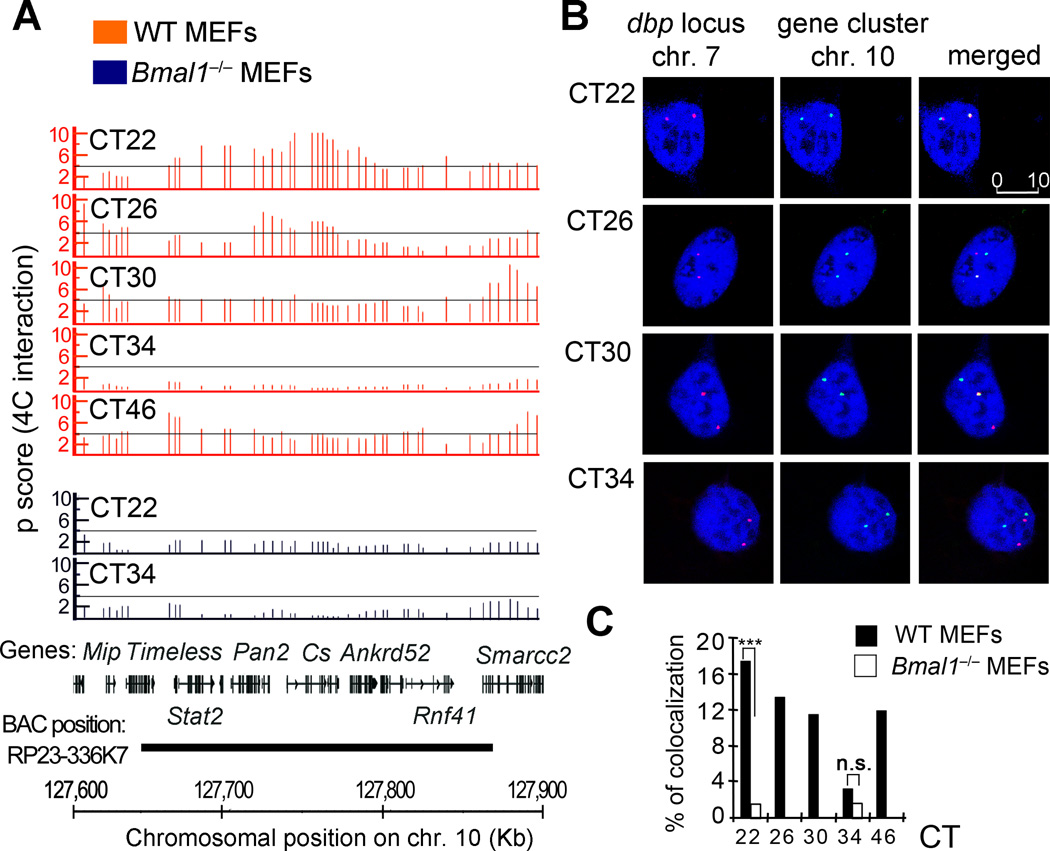
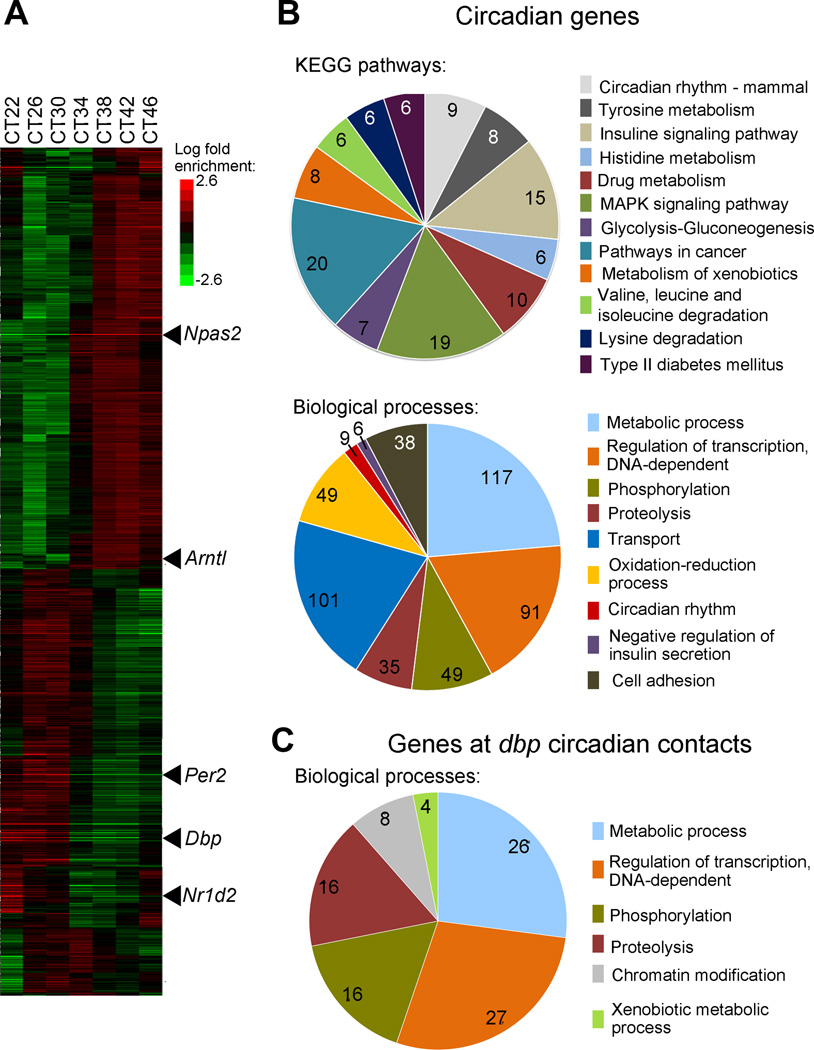
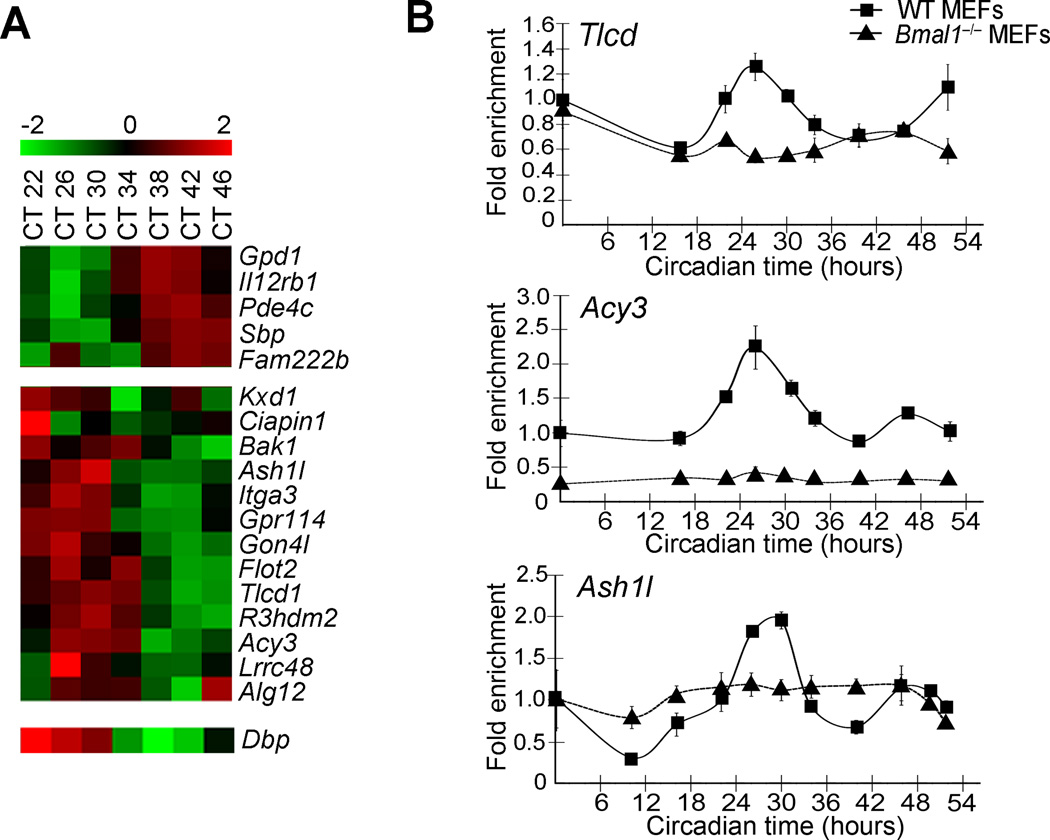
Dynamic transitions in the epigenome have been associated with regulated patterns of nuclear organization. The accumulating evidence that chromatin remodeling is implicated in circadian function prompted us to explore whether the clock may control nuclear architecture. We applied the chromosome conformation capture on chip technology in mouse embryonic fibroblasts (MEFs) to demonstrate the presence of circadian long-range interactions using the clock-controlled Dbp gene as bait. The circadian genomic interactions with Dbp were highly specific and were absent in MEFs whose clock was disrupted by ablation of the Bmal1 gene (also called Arntl). We establish that the Dbp circadian interactome contains a wide variety of genes and clock-related DNA elements. These findings reveal a previously unappreciated circadian and clock-dependent shaping of the nuclear landscape.
动态的表观基因组变化与核组织的调控模式有关。越来越多的证据表明染色质重塑与生物钟功能有关,这促使我们探索生物钟是否控制核结构。我们应用染色体构象捕获芯片技术在小鼠胚胎成纤维细胞(MEFs)中证明了生物钟控制的 Dbp 基因作为诱饵存在昼夜节律的长程相互作用。与 Dbp 的昼夜节律基因组相互作用具有高度特异性,并且在生物钟被破坏的 MEFs 中不存在,生物钟的破坏是通过 Bmal1 基因(也称为 Arntl)的缺失引起的。我们确定 Dbp 的昼夜节律相互作用组包含各种基因和与时钟相关的 DNA 元件。这些发现揭示了核景观以前未被重视的昼夜节律和时钟依赖性塑造。