Department of Dermatology, Institute of Human-Environment Interface Biology, College of Medicine, Seoul National University, Seoul 110-744, Korea
BMB Rep. 2013 Sep;46(9):460-4. doi: 10.5483/bmbrep.2013.46.9.228.
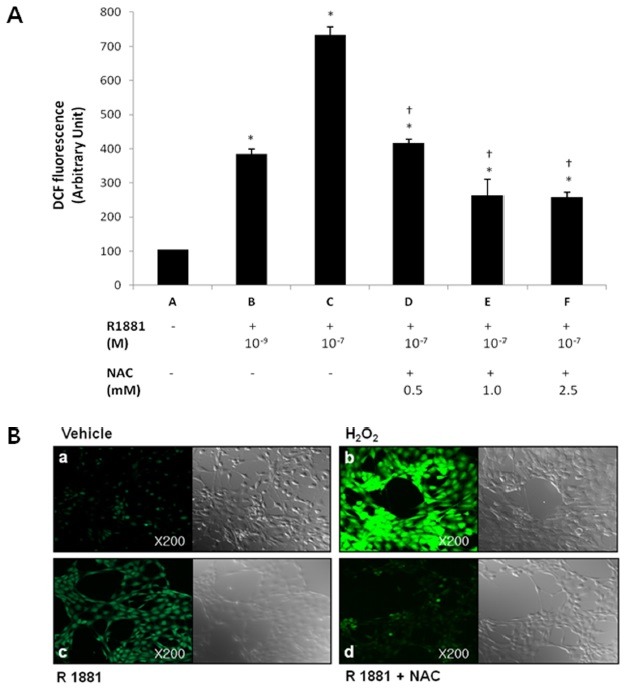
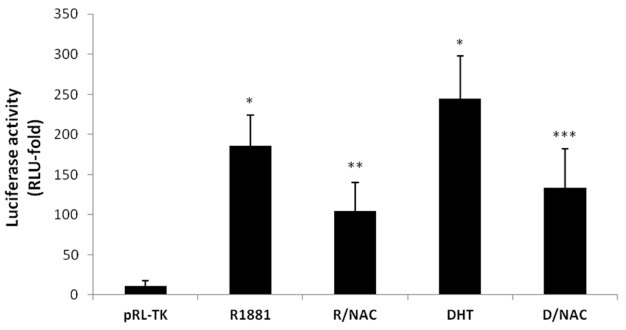
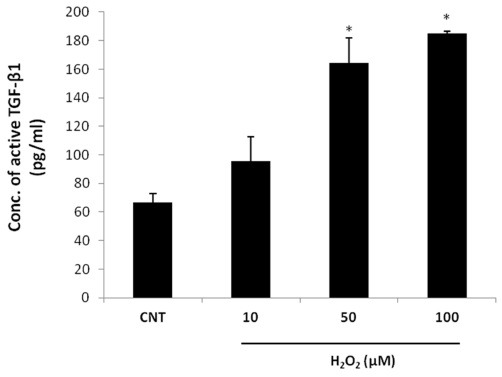
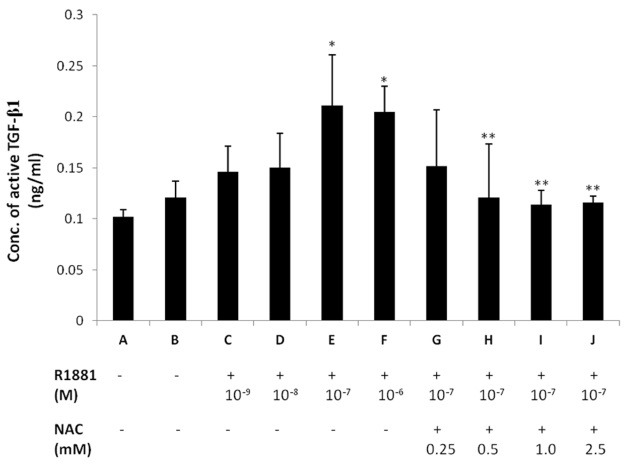
The progression of androgenetic alopecia is closely related to androgen-inducible transforming growth factor (TGF)-β1 secretion by hair follicle dermal papilla cells (DPCs) in bald scalp. Physiological levels of androgen exposure were reported to increase reactive oxygen species (ROS) generation. In this study, rat vibrissae dermal papilla cells (DP-6) transfected with androgen receptor showed increased ROS production following androgen treatment. We confirmed that TGF-β1 secretion is increased by androgen treatment in DP-6, whereas androgen-inducible TGF-β1 was significantly suppressed by the ROS-scavenger, N-acetyl cysteine. Therefore, we suggest that induction of TGF-β1 by androgen is mediated by ROS in hair follicle DPCs.
男性型脱发的进展与头皮毛囊真皮乳头细胞(DPC)中雄激素诱导的转化生长因子(TGF)-β1分泌密切相关。有报道称,生理水平的雄激素暴露会增加活性氧(ROS)的产生。在这项研究中,转染雄激素受体的大鼠触须真皮乳头细胞(DP-6)在雄激素处理后 ROS 产生增加。我们证实 DP-6 中的雄激素处理会增加 TGF-β1 的分泌,而 ROS 清除剂 N-乙酰半胱氨酸可显著抑制雄激素诱导的 TGF-β1。因此,我们认为毛囊 DPC 中 ROS 介导了雄激素诱导的 TGF-β1。