State Key Laboratory of Natural Medicines, China Pharmaceutical University, Nanjing, China ; Jiang Su Key Laboratory of Drug Design and Optimization, China Pharmaceutical University, Nanjing, China.
PLoS One. 2013 Sep 16;8(9):e75076. doi: 10.1371/journal.pone.0075076. eCollection 2013.
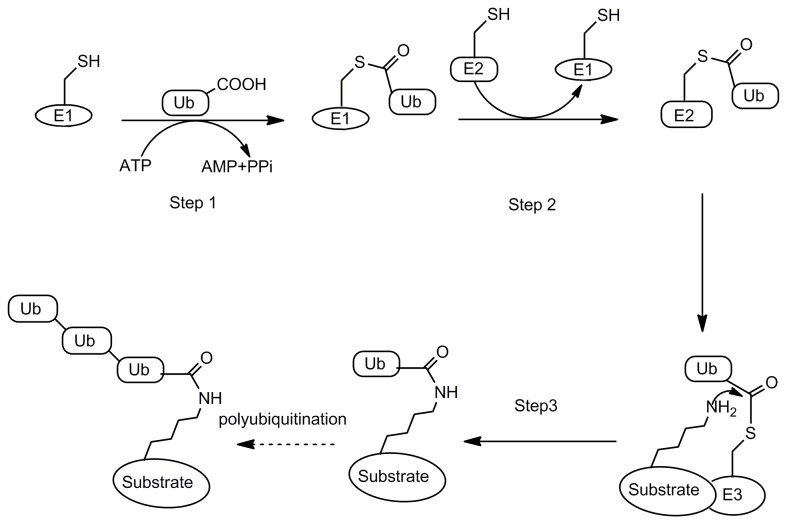
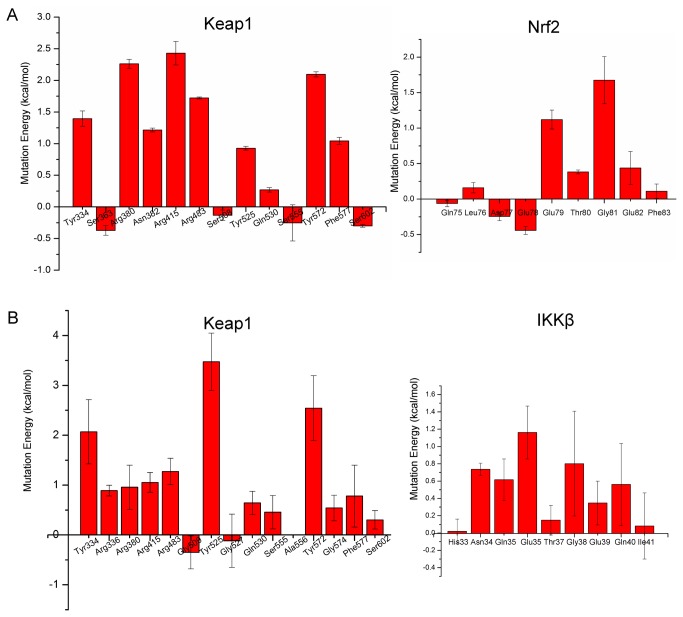
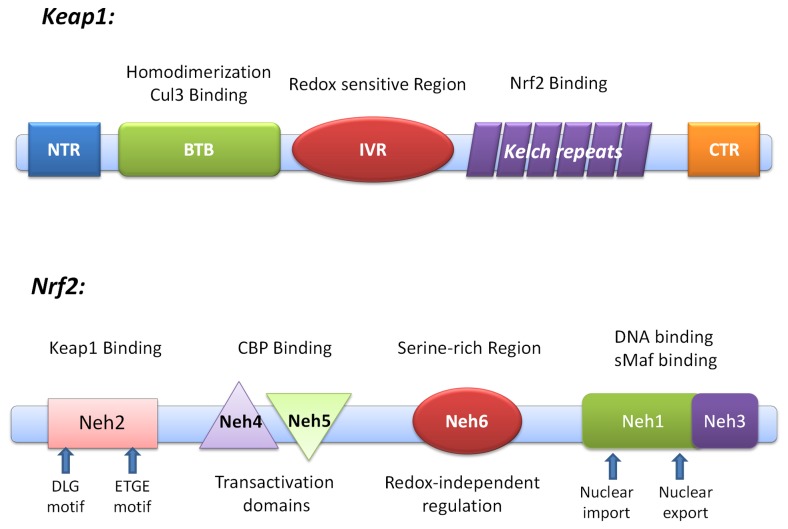
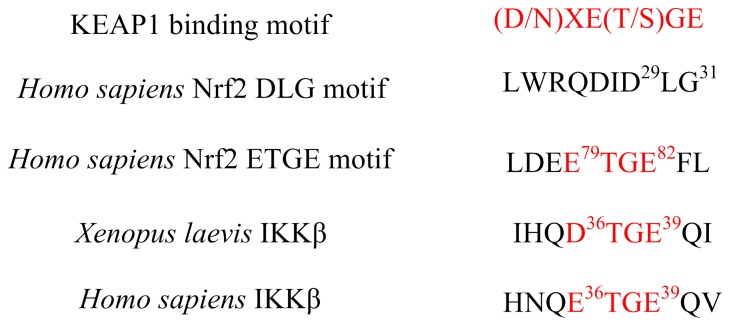
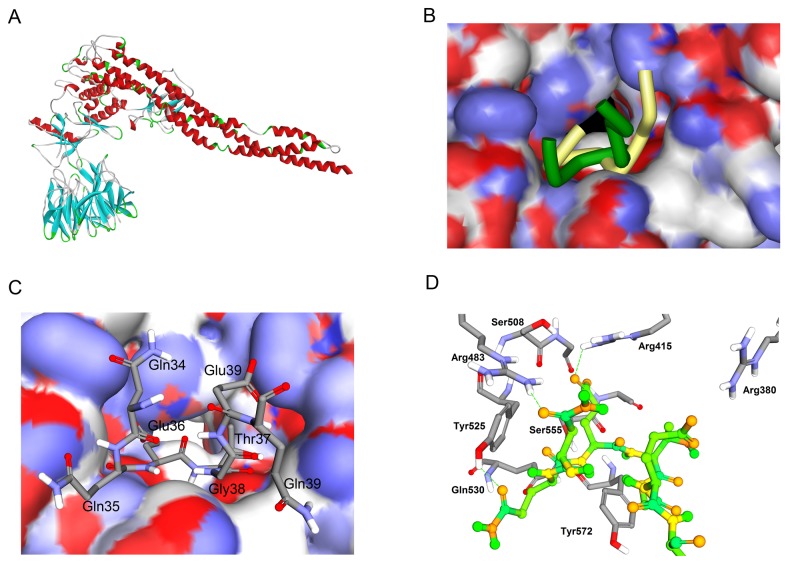
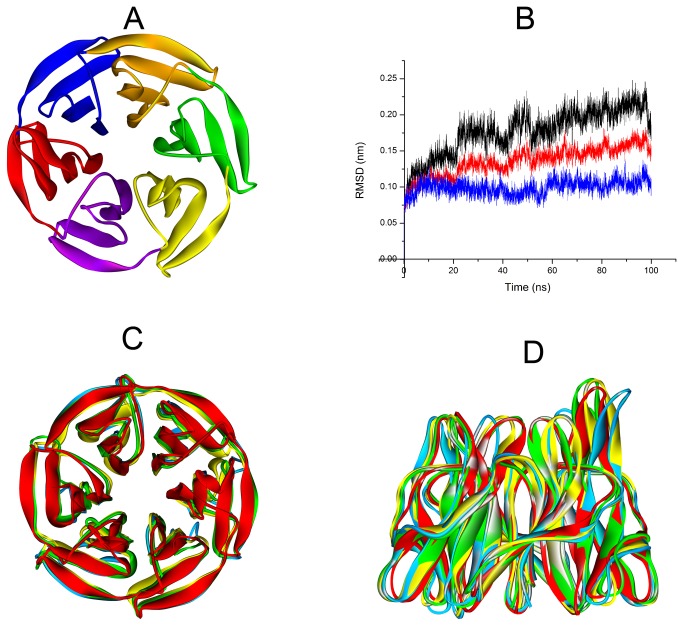
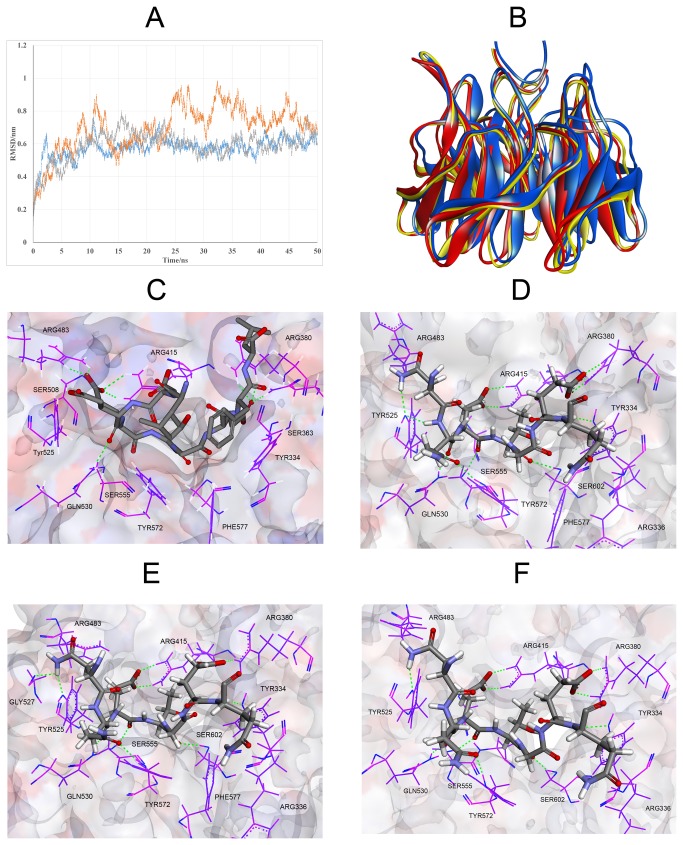
Degradation of certain proteins through the ubiquitin-proteasome pathway is a common strategy taken by the key modulators responsible for stress responses. Kelch-like ECH-associated protein-1(Keap1), a substrate adaptor component of the Cullin3 (Cul3)-based ubiquitin E3 ligase complex, mediates the ubiquitination of two key modulators, NF-E2-related factor 2 (Nrf2) and IκB kinase β (IKKβ), which are involved in the redox control of gene transcription. However, compared to the Keap1-Nrf2 protein-protein interaction (PPI), the intermolecular recognition mechanism of Keap1 and IKKβ has been poorly investigated. In order to explore the binding pattern between Keap1 and IKKβ, the PPI model of Keap1 and IKKβ was investigated. The structure of human IKKβ was constructed by means of the homology modeling method and using reported crystal structure of Xenopus laevis IKKβ as the template. A protein-protein docking method was applied to develop the Keap1-IKKβ complex model. After the refinement and visual analysis of docked proteins, the chosen pose was further optimized through molecular dynamics simulations. The resulting structure was utilized to conduct the virtual alanine mutation for the exploration of hot-spots significant for the intermolecular interaction. Overall, our results provided structural insights into the PPI model of Keap1-IKKβ and suggest that the substrate specificity of Keap1 depend on the interaction with the key tyrosines, namely Tyr525, Tyr574 and Tyr334. The study presented in the current project may be useful to design molecules that selectively modulate Keap1. The selective recognition mechanism of Keap1 with IKKβ or Nrf2 will be helpful to further know the crosstalk between NF-κB and Nrf2 signaling.
通过泛素-蛋白酶体途径降解某些蛋白质是负责应激反应的关键调节剂的常用策略。Kelch 样 ECH 相关蛋白 1(Keap1)是基于 Cullin3(Cul3)的泛素 E3 连接酶复合物的底物衔接子组件,介导两种关键调节剂的泛素化,NF-E2 相关因子 2(Nrf2)和 IκB 激酶β(IKKβ),它们参与基因转录的氧化还原控制。然而,与 Keap1-Nrf2 蛋白-蛋白相互作用(PPI)相比,Keap1 和 IKKβ 之间的分子间识别机制研究甚少。为了探索 Keap1 和 IKKβ 之间的结合模式,研究了 Keap1 和 IKKβ 的 PPI 模型。使用报告的 Xenopus laevis IKKβ 的晶体结构作为模板,通过同源建模方法构建了人 IKKβ 的结构。应用蛋白质-蛋白质对接方法开发 Keap1-IKKβ 复合物模型。对接蛋白经过细化和可视化分析后,选择合适的构象通过分子动力学模拟进一步优化。所得结构用于进行虚拟丙氨酸突变,以探索对分子间相互作用重要的热点。总体而言,我们的结果为 Keap1-IKKβ 的 PPI 模型提供了结构见解,并表明 Keap1 的底物特异性取决于与关键酪氨酸的相互作用,即 Tyr525、Tyr574 和 Tyr334。本研究为设计选择性调节 Keap1 的分子提供了参考。Keap1 与 IKKβ 或 Nrf2 的选择性识别机制将有助于进一步了解 NF-κB 和 Nrf2 信号之间的串扰。