Drexel Institute for Biotechnology and Virology Research, Department of Microbiology and Immunology, Drexel University College of Medicine, Doylestown, Pennsylvania, United States of America.
PLoS Pathog. 2013 Sep;9(9):e1003613. doi: 10.1371/journal.ppat.1003613. Epub 2013 Sep 12.
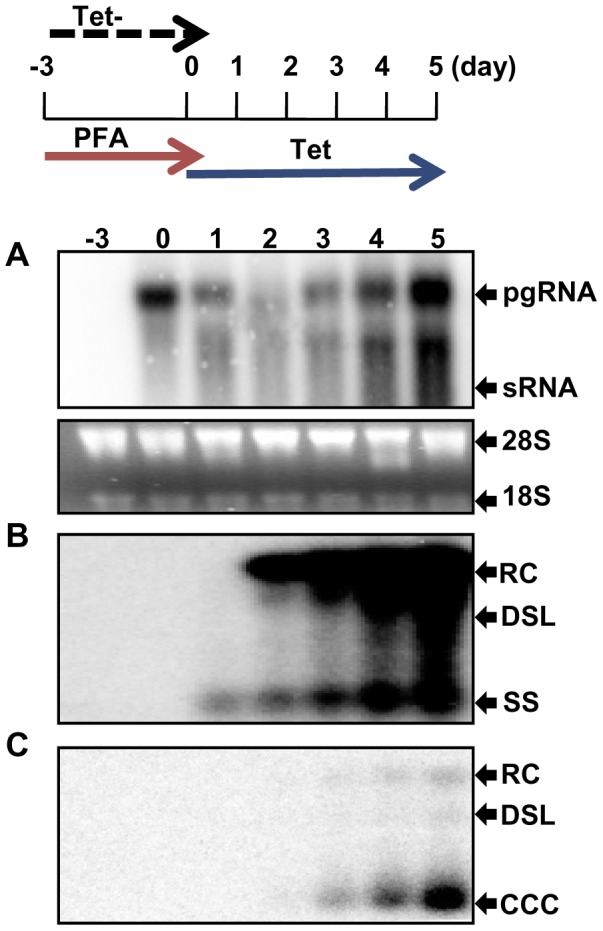
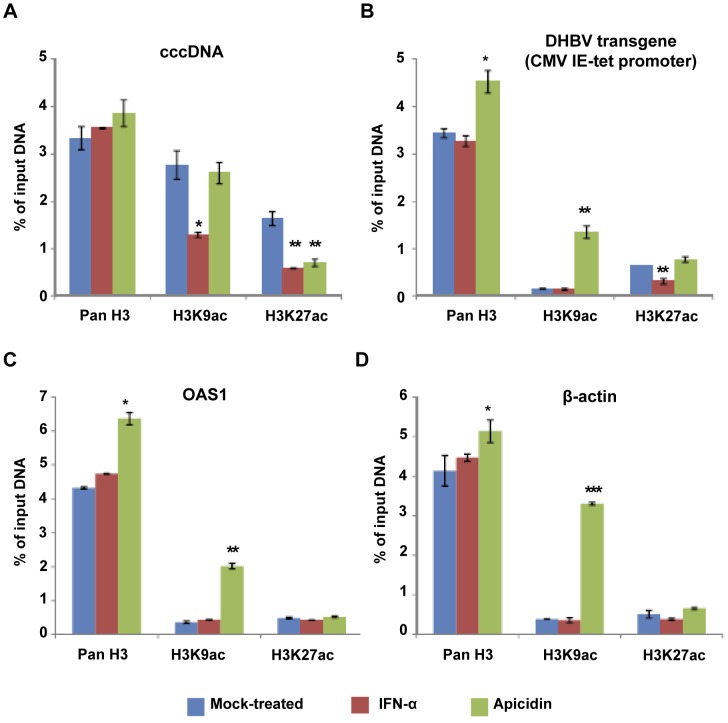
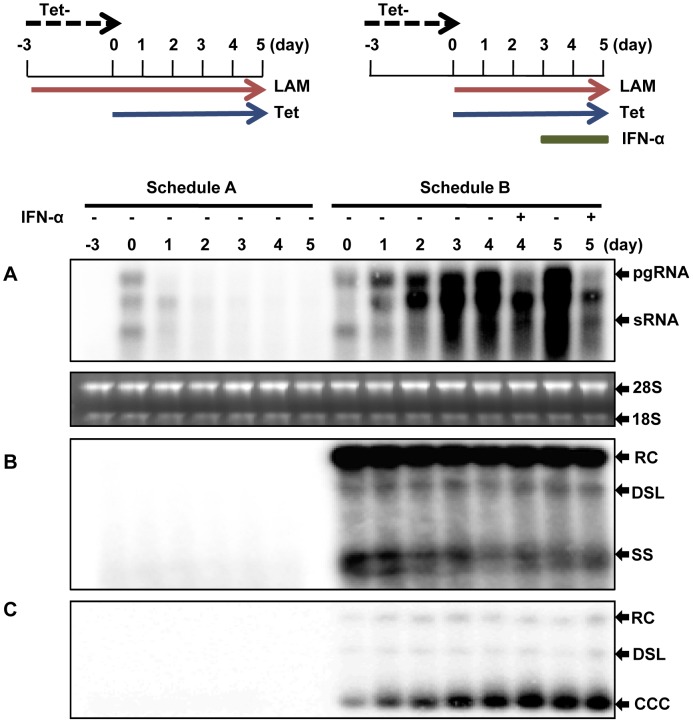
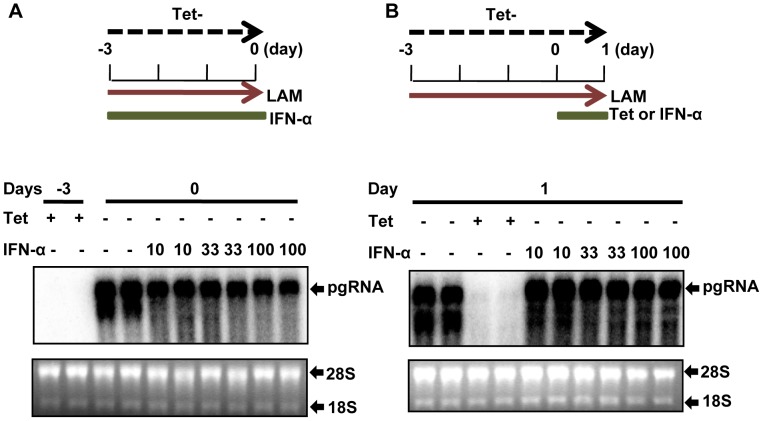
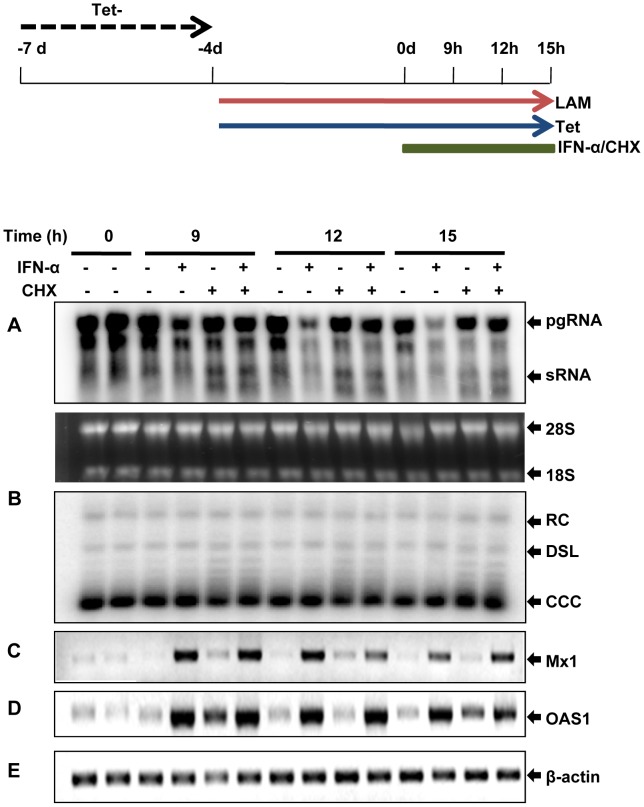
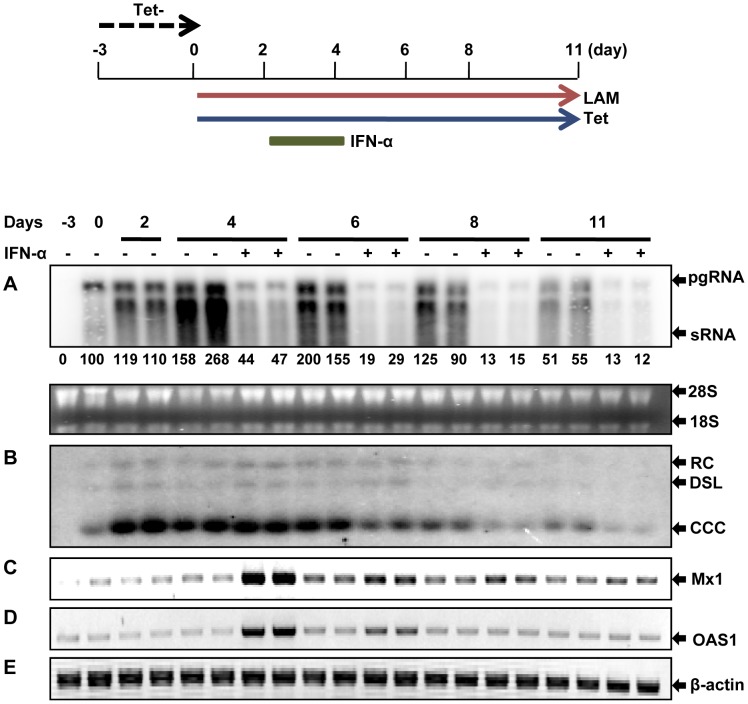
Covalently closed circular DNA (cccDNA) of hepadnaviruses exists as an episomal minichromosome in the nucleus of infected hepatocyte and serves as the transcriptional template for viral mRNA synthesis. Elimination of cccDNA is the prerequisite for either a therapeutic cure or immunological resolution of HBV infection. Although accumulating evidence suggests that inflammatory cytokines-mediated cure of virally infected hepatocytes does occur and plays an essential role in the resolution of an acute HBV infection, the molecular mechanism by which the cytokines eliminate cccDNA and/or suppress its transcription remains elusive. This is largely due to the lack of convenient cell culture systems supporting efficient HBV infection and cccDNA formation to allow detailed molecular analyses. In this study, we took the advantage of a chicken hepatoma cell line that supports tetracycline-inducible duck hepatitis B virus (DHBV) replication and established an experimental condition mimicking the virally infected hepatocytes in which DHBV pregenomic (pg) RNA transcription and DNA replication are solely dependent on cccDNA. This cell culture system allowed us to demonstrate that cccDNA transcription required histone deacetylase activity and IFN-α induced a profound and long-lasting suppression of cccDNA transcription, which required protein synthesis and was associated with the reduction of acetylated histone H3 lysine 9 (H3K9) and 27 (H3K27) in cccDNA minichromosomes. Moreover, IFN-α treatment also induced a delayed response that appeared to accelerate the decay of cccDNA. Our studies have thus shed light on the molecular mechanism by which IFN-α noncytolytically controls hepadnavirus infection.
共价闭合环状 DNA (cccDNA) 是乙型肝炎病毒存在于受感染肝细胞核内的一种附加体微小染色体,作为病毒 mRNA 合成的转录模板。cccDNA 的消除是乙型肝炎病毒感染治疗治愈或免疫缓解的前提。尽管越来越多的证据表明,炎症细胞因子介导的病毒感染肝细胞的治愈确实发生,并在乙型肝炎病毒急性感染的缓解中发挥重要作用,但细胞因子消除 cccDNA 和/或抑制其转录的分子机制仍不清楚。这在很大程度上是由于缺乏支持高效乙型肝炎病毒感染和 cccDNA 形成的方便细胞培养系统,无法进行详细的分子分析。在这项研究中,我们利用支持四环素诱导的鸭乙型肝炎病毒 (DHBV) 复制的鸡肝癌细胞系,建立了一种实验条件,模拟受病毒感染的肝细胞,其中 DHBV 前基因组 (pg) RNA 转录和 DNA 复制仅依赖于 cccDNA。这种细胞培养系统使我们能够证明 cccDNA 转录需要组蛋白去乙酰化酶活性,IFN-α 诱导 cccDNA 转录的深刻和持久抑制,这需要蛋白质合成,并与 cccDNA 微小染色体中乙酰化组蛋白 H3 赖氨酸 9 (H3K9) 和 27 (H3K27) 的减少有关。此外,IFN-α 处理还诱导了一种延迟反应,似乎加速了 cccDNA 的衰减。我们的研究揭示了 IFN-α 非细胞溶解控制乙型肝炎病毒感染的分子机制。