State Key Laboratory of Mechanism System and Vibration, Institute of Robotics, Shanghai Jiao Tong University, Shanghai 200240, China.
Sensors (Basel). 2013 Sep 26;13(10):12958-74. doi: 10.3390/s131012958.
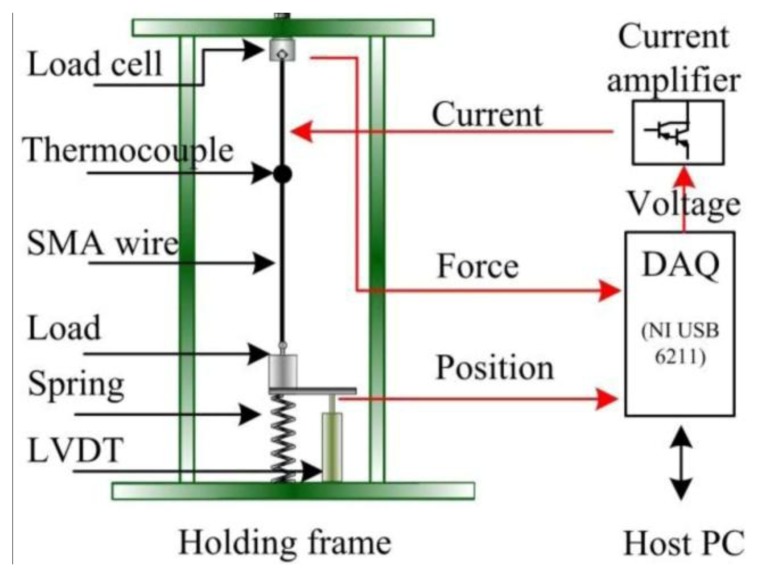
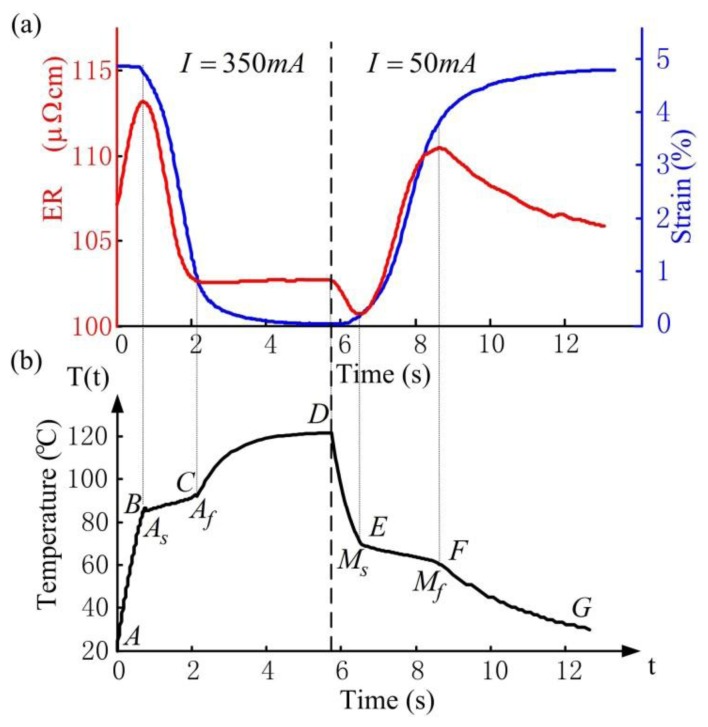
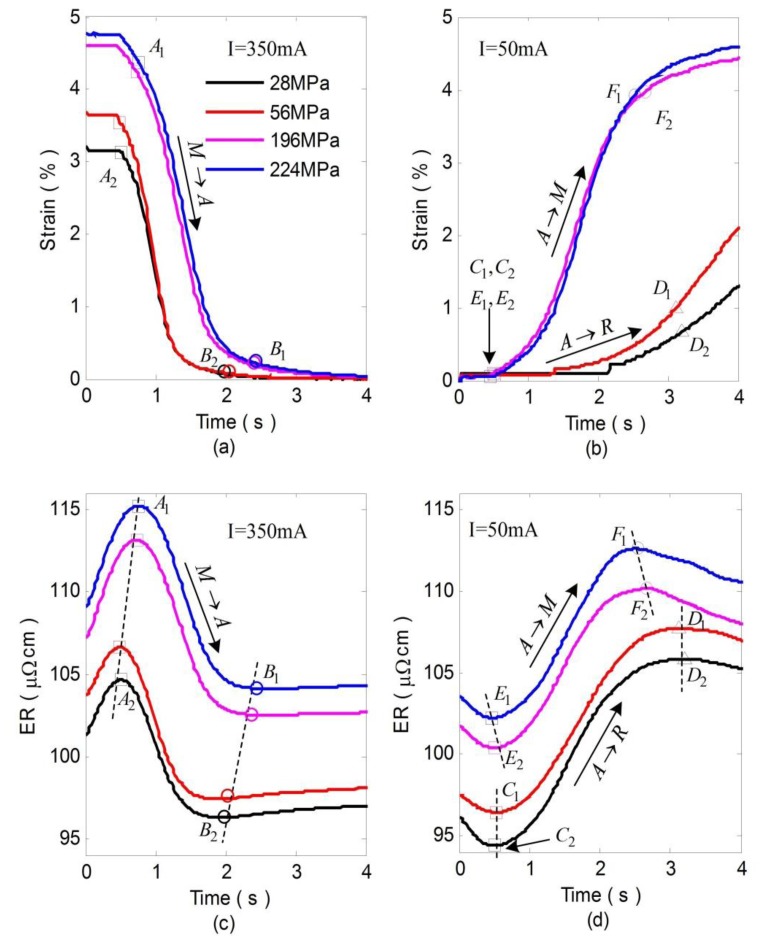
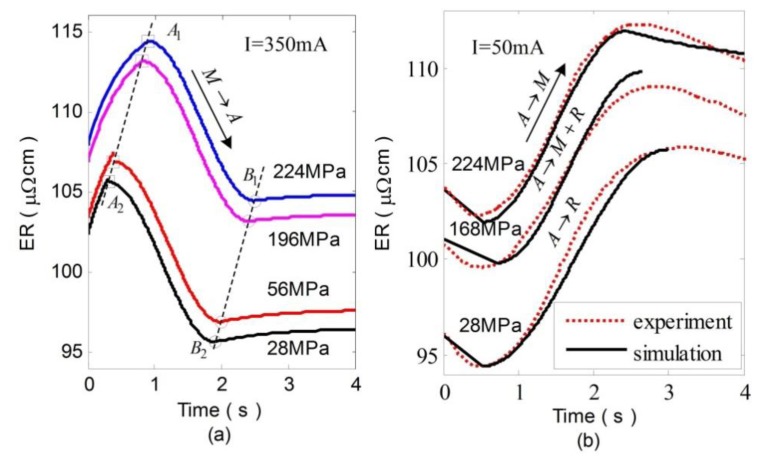
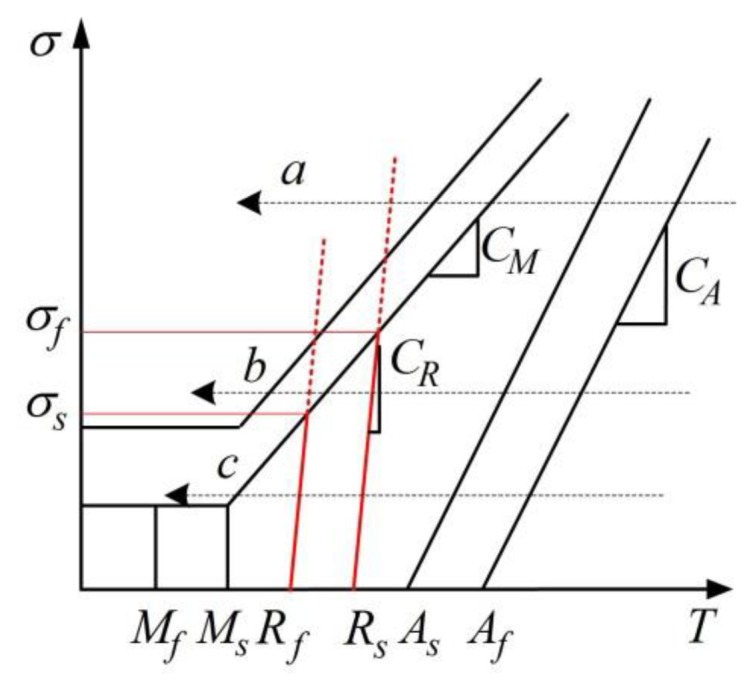
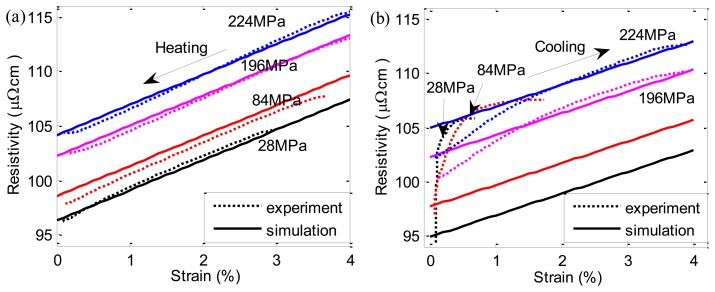
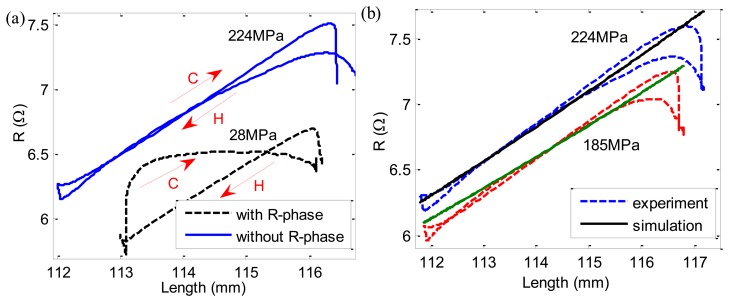
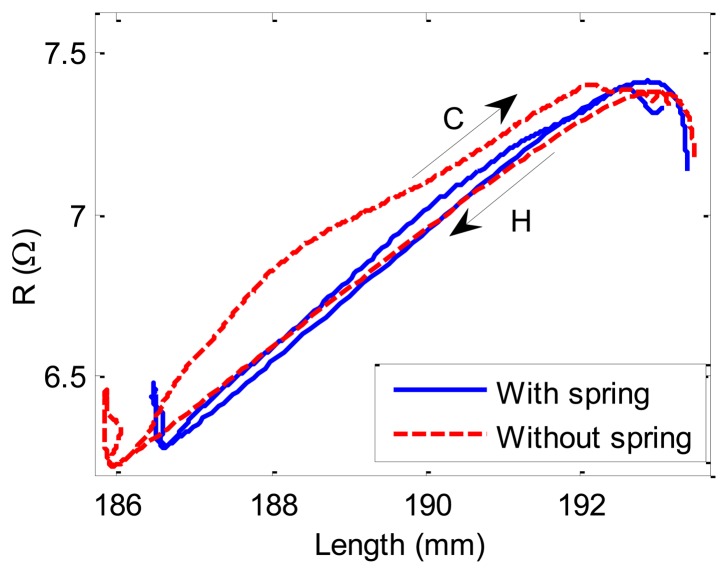
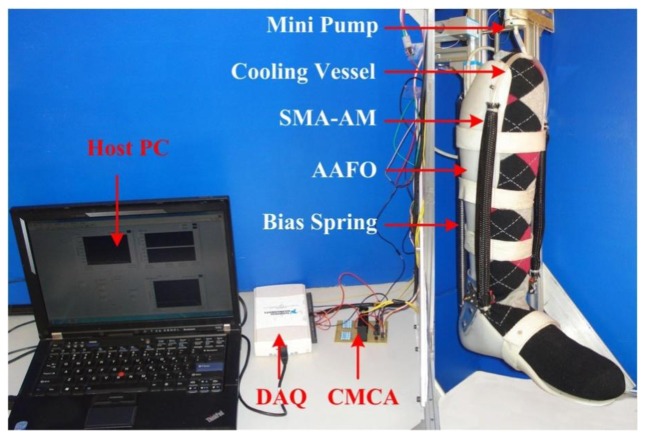
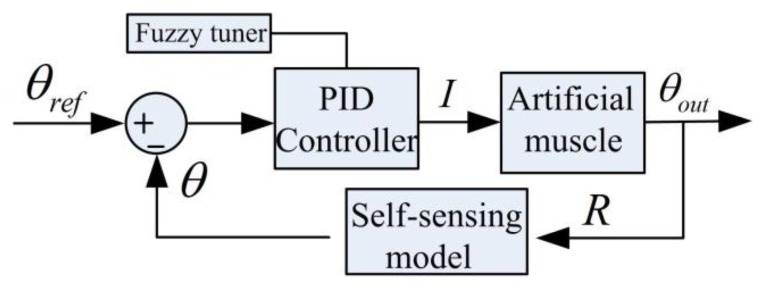
Shape memory alloy (SMA) has great potential to develop light and compact artificial muscle (AM) due to its muscle-like high power-to-weight ratio, flexibility and silent operation properties. In this paper, SMA self-sensing properties are explored and modeled in depth to imitate the integrated muscle-like functions of actuating and self-sensing for SMA-AM based on the investigation of SMA electrical resistivity (ER). Firstly, an ER transformation kinetics model is proposed based on the simulation of SMA differential scanning calorimetry (DSC) curves. Then a series of thermal-electrical-mechanical experiments are carried out to verify the validity of the ER model, whereby the SMA-AM self-sensing function is well established under different stress conditions. Finally the self-sensing capability is further demonstrated by its application to a novel SMA-AM-actuated active ankle-foot orthosis (AAFO).
形状记忆合金(SMA)由于具有类似肌肉的高功率重量比、灵活性和静音操作特性,因此在开发轻质紧凑的人工肌肉(AM)方面具有巨大潜力。本文深入探讨和建模了 SMA 的自感知特性,以基于 SMA 电阻抗(ER)的研究来模拟基于 SMA-AM 的集成式肌肉功能,包括致动和自感知功能。首先,提出了一个基于 SMA 差示扫描量热法(DSC)曲线模拟的 ER 转换动力学模型。然后进行了一系列热-电-机械实验,以验证 ER 模型的有效性,从而在不同的应力条件下成功建立了 SMA-AM 的自感知功能。最后,通过将其应用于新型 SMA-AM 驱动的主动踝足矫形器(AAFO)进一步证明了其自感知能力。