School of Medicine, Trinity College Dublin, Dublin, Ireland; National Children's Research Centre, Our Lady's Children's Hospital, Dublin, Ireland; Trinity Biomedical Sciences Institute, Trinity College Dublin, Dublin, Ireland.
J Allergy Clin Immunol. 2013 Nov;132(5):1121-9. doi: 10.1016/j.jaci.2013.08.046. Epub 2013 Sep 29.
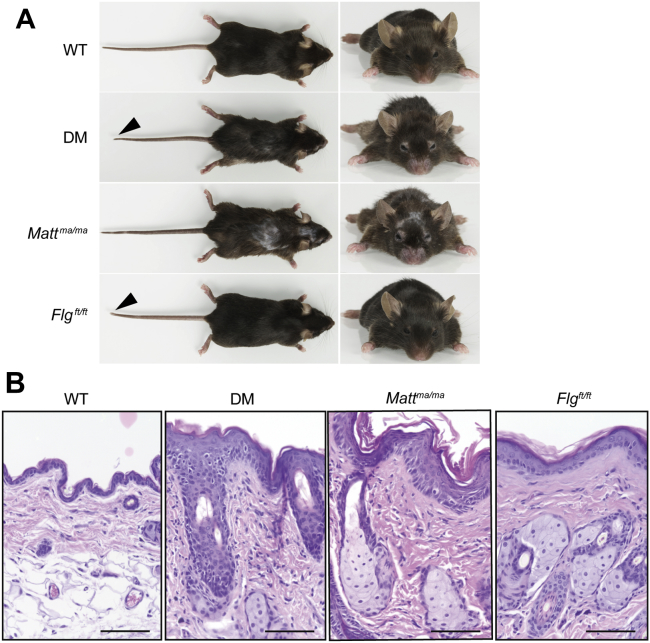
Atopic dermatitis (AD) is a major inflammatory condition of the skin caused by inherited skin barrier deficiency, with mutations in the filaggrin gene predisposing to development of AD. Support for barrier deficiency initiating AD came from flaky tail mice, which have a frameshift mutation in Flg and also carry an unknown gene, matted, causing a matted hair phenotype.
We sought to identify the matted mutant gene in mice and further define whether mutations in the human gene were associated with AD.
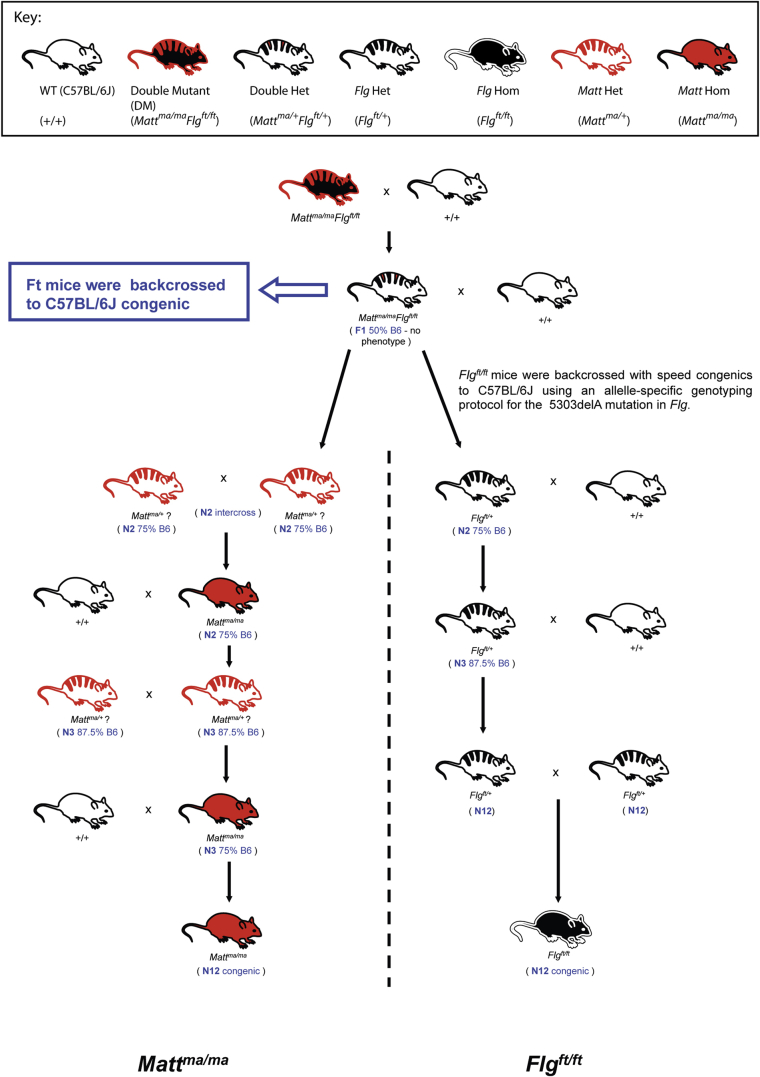
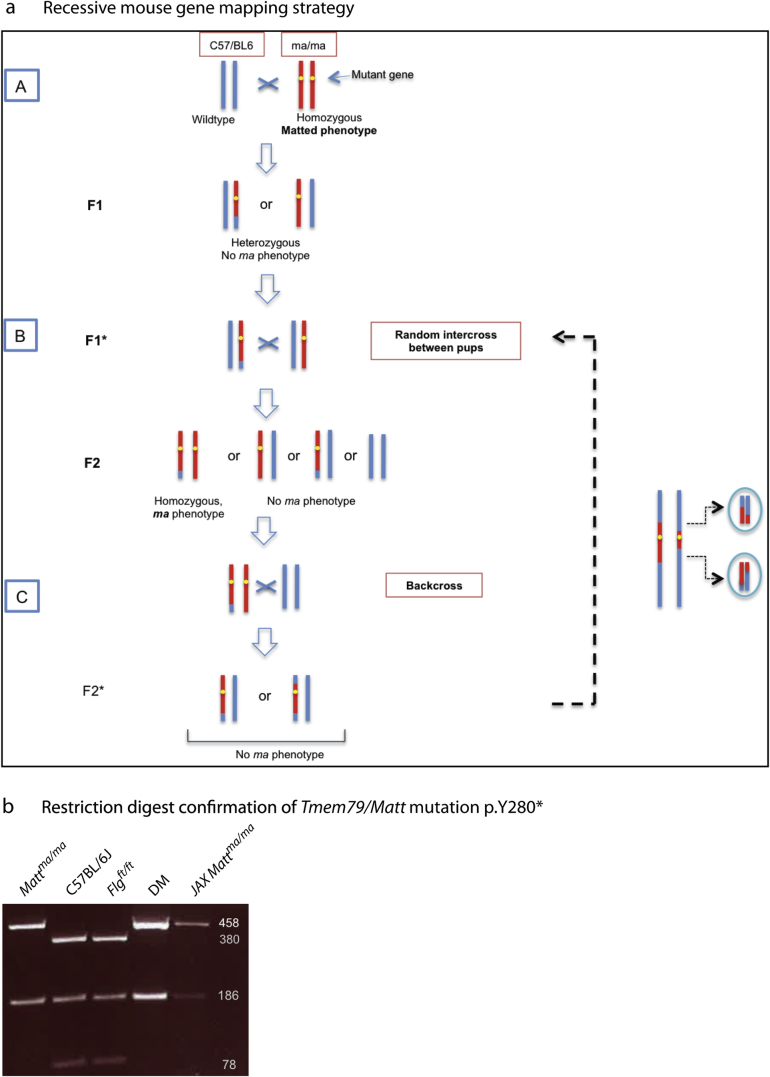
A mouse genetics approach was used to separate the matted and Flg mutations to produce congenic single-mutant strains for genetic and immunologic analysis. Next-generation sequencing was used to identify the matted gene. Five independently recruited AD case collections were analyzed to define associations between single nucleotide polymorphisms (SNPs) in the human gene and AD.
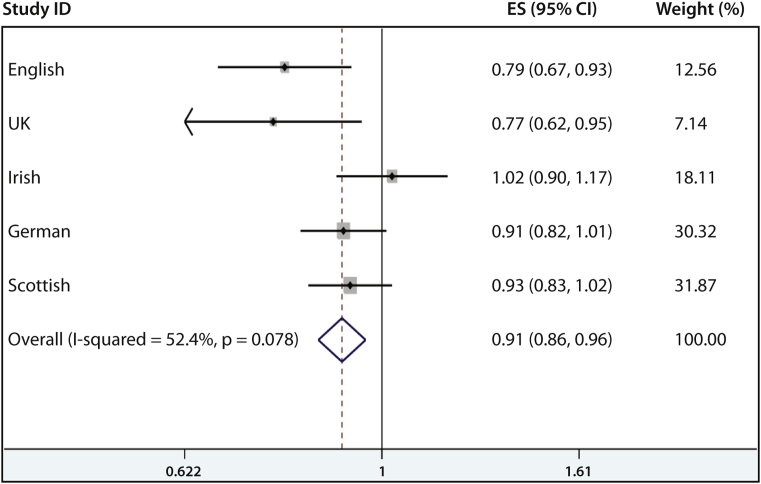
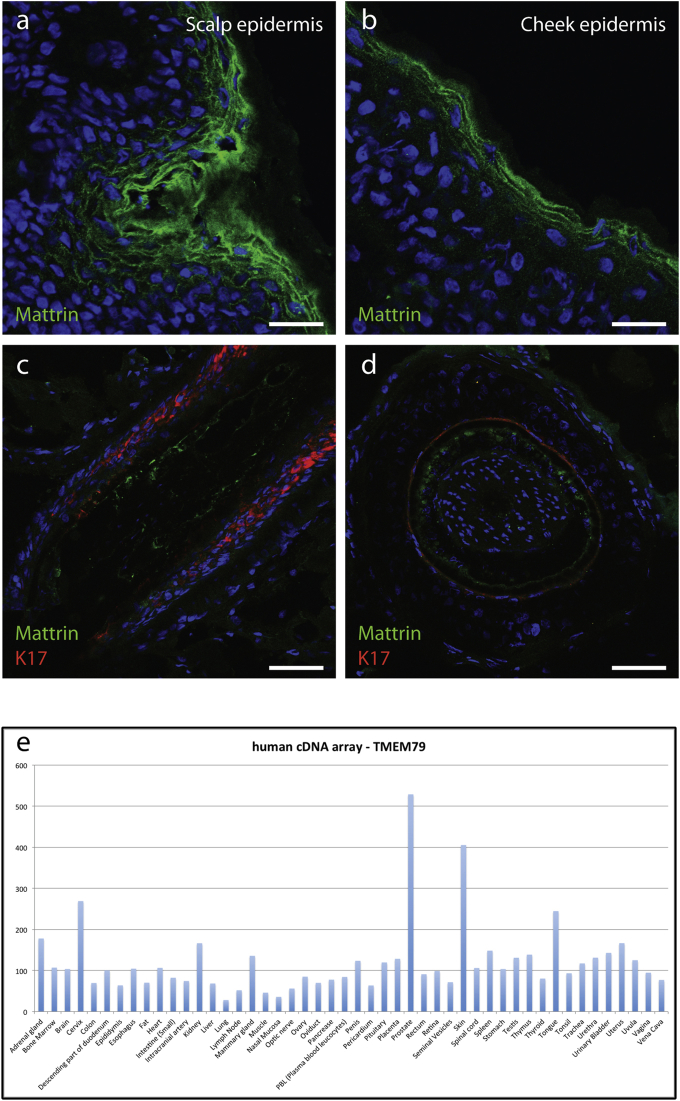
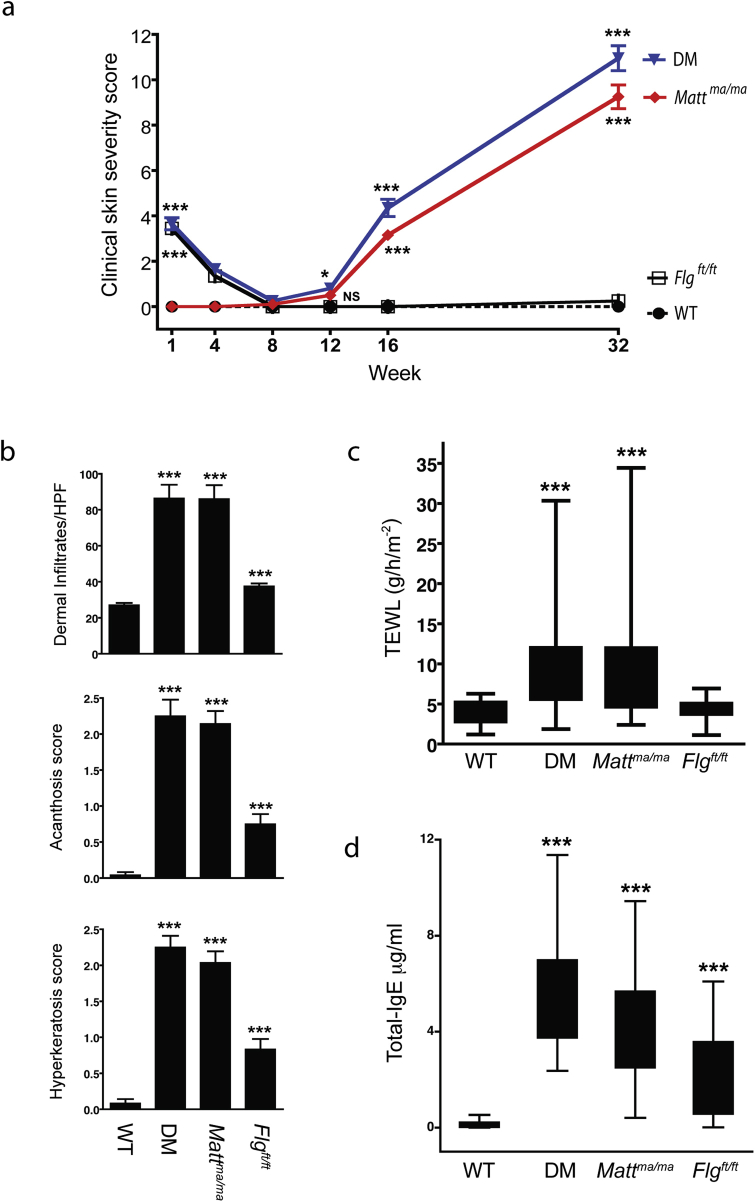
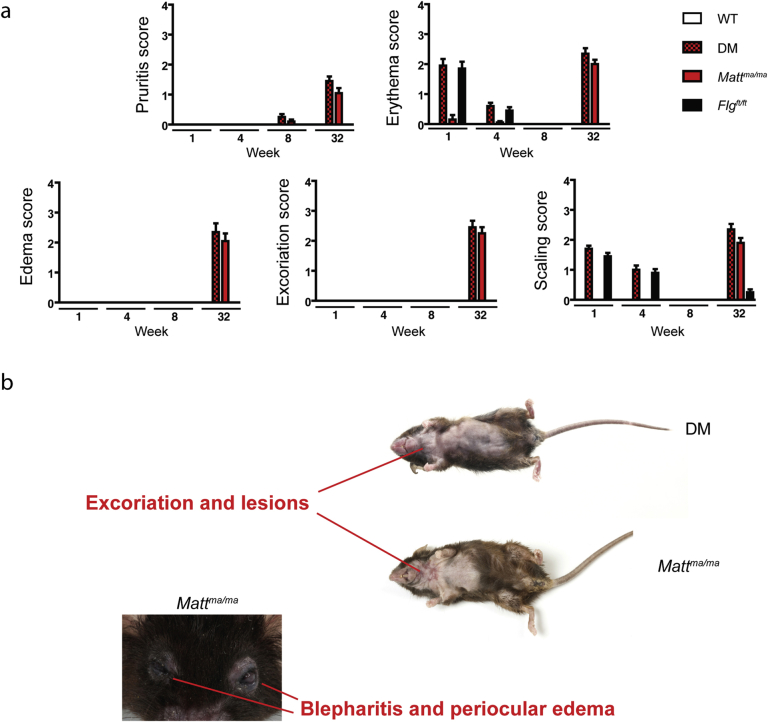
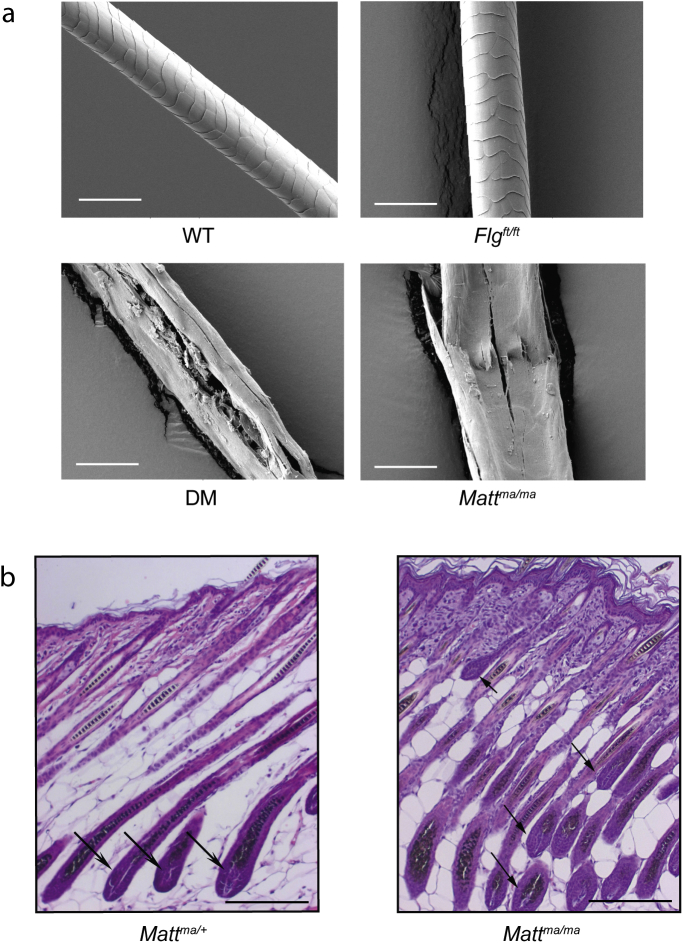
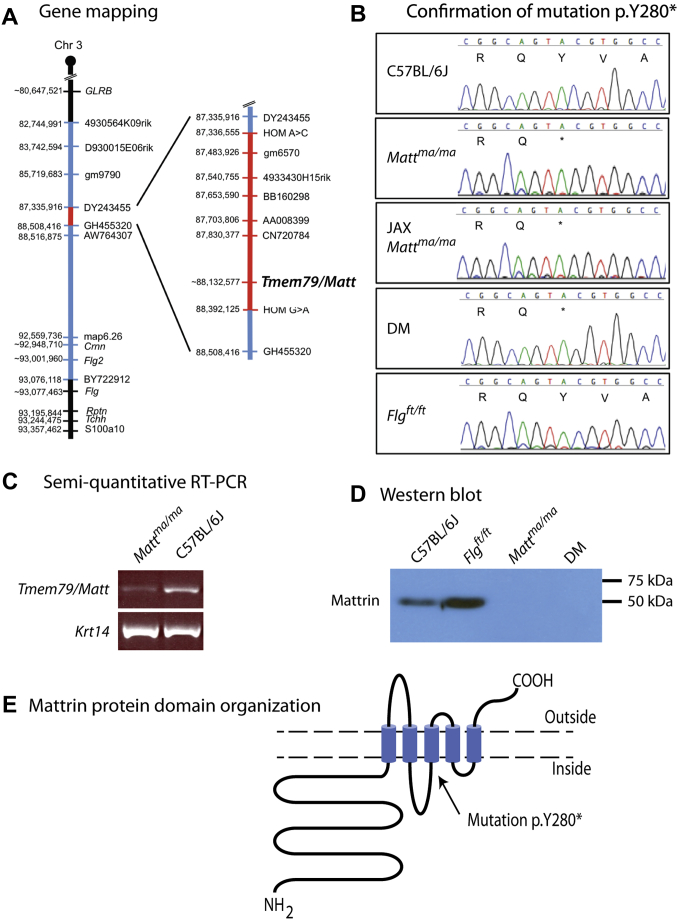
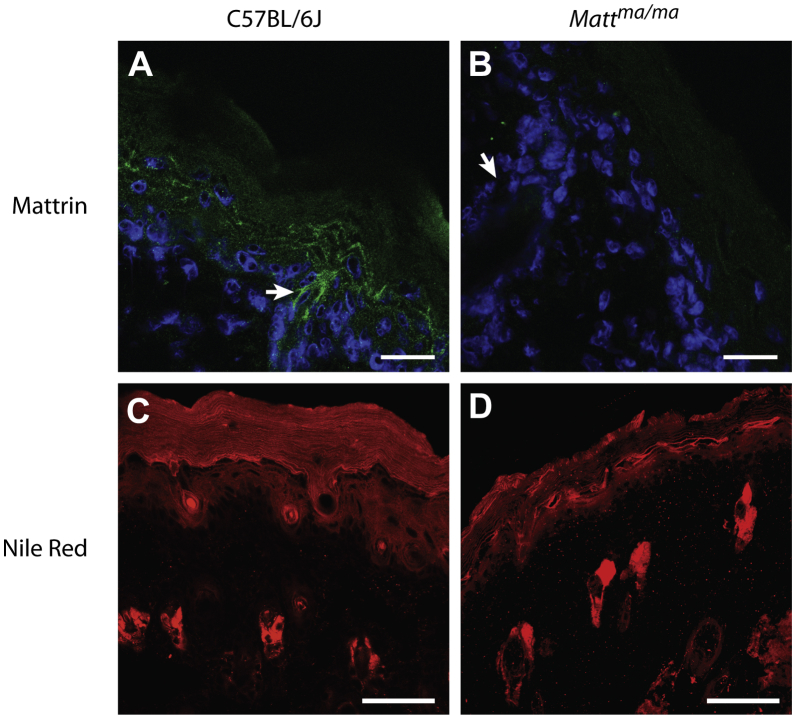
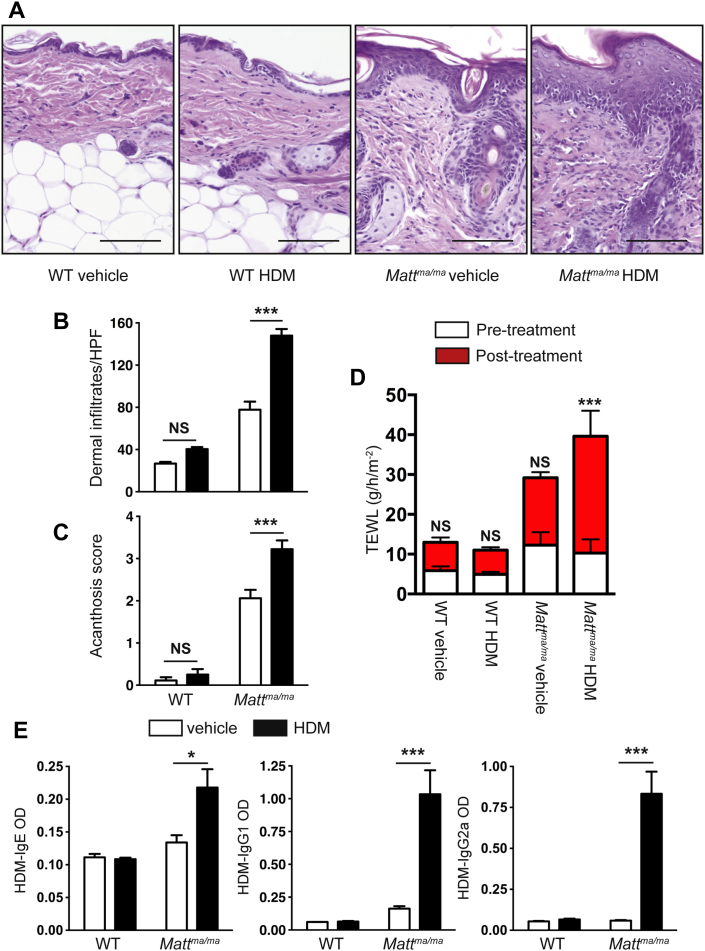
The matted phenotype in flaky tail mice is due to a mutation in the Tmem79/Matt gene, with no expression of the encoded protein mattrin in the skin of mutant mice. Matt(ft) mice spontaneously have dermatitis and atopy caused by a defective skin barrier, with mutant mice having systemic sensitization after cutaneous challenge with house dust mite allergens. Meta-analysis of 4,245 AD cases and 10,558 population-matched control subjects showed that a missense SNP, rs6684514, [corrected] in the human MATT gene has a small but significant association with AD.
In mice mutations in Matt cause a defective skin barrier and spontaneous dermatitis and atopy. A common SNP in MATT has an association with AD in human subjects.
特应性皮炎(AD)是一种主要的皮肤炎症性疾病,由遗传的皮肤屏障缺陷引起,丝聚蛋白基因的突变易导致 AD 的发生。支持屏障缺陷引发 AD 的证据来自鳞屑尾鼠,该鼠 Flg 基因发生框移突变,并且携带一个未知基因 matted,导致毛发纠结表型。
我们试图鉴定小鼠中的 matted 突变基因,并进一步确定人类基因中的突变是否与 AD 相关。
采用小鼠遗传学方法将 matted 和 Flg 突变分离,以产生具有遗传和免疫分析的纯合单突变株。下一代测序用于鉴定 matted 基因。分析了五个独立招募的 AD 病例集,以确定人类基因中单核苷酸多态性(SNP)与 AD 之间的关联。
鳞屑尾鼠的 matted 表型是由于 Tmem79/Matt 基因的突变所致,突变小鼠皮肤中无 mattrin 编码蛋白的表达。Matt(ft) 小鼠自发性地出现皮炎和特应性,这是由于皮肤屏障缺陷所致,经屋尘螨变应原皮内挑战后,突变小鼠出现全身性致敏。对 4245 例 AD 病例和 10558 例人群匹配对照进行的荟萃分析显示,人类 MATT 基因中的一个错义 SNP(rs6684514)[更正]与 AD 有轻微但显著的关联。
在小鼠中,Matt 基因突变导致皮肤屏障缺陷、自发性皮炎和特应性。MATT 中的常见 SNP 与人类 AD 有相关性。