Patel Sandeep M, Ackerman Michael J, Asirvatham Samuel J
Department of Internal Medicine, Mayo Clinic, Rochester, Minnesota.
Indian Pacing Electrophysiol J. 2013 Aug 1;13(4):136-41. doi: 10.1016/s0972-6292(16)30647-7. eCollection 2013.
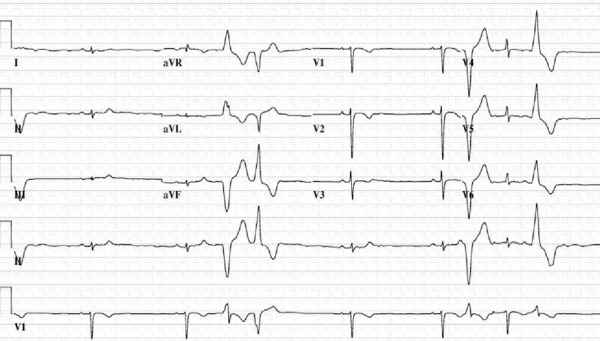
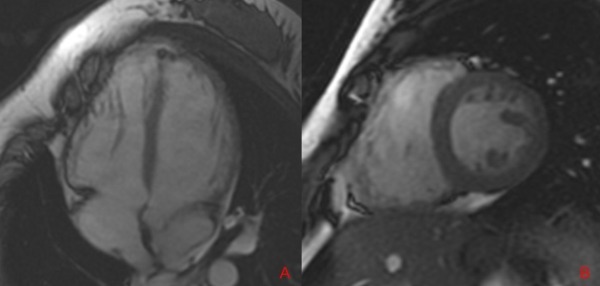
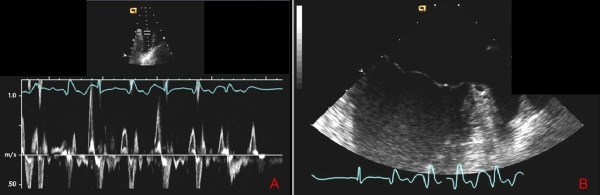
A 16-year-old female with ventricular dysfunction and frequent ventricular arrhythmia presented with a cardioembolic stroke. Prior electrophysiology study and ablation was performed for ventricular tachycardia (VT). For remaining ventricular ectopy, the patient was maintained on carvedilol and mexiletine. After one year on this regimen, she presented with an acute stroke. Transesophageal echocardiography revealed no evidence of an intracardiac or ventricular thrombus but demonstrated markedly decreased left atrial appendage (LAA) flow velocity worsened during frequent premature ventricular contractions (PVC). In the absence of atrial fibrillation (AF), the LAA dysfunction was considered secondary to the frequent PVCs and was thought to be the underlying cause for the stroke. We present this case to highlight a potential under recognized association between LAA dysfunction and ventricular arrhythmia, similar to that observed with atrioventricular dyssynchronous pacing.
一名16岁女性,患有心室功能障碍和频发室性心律失常,出现了心源性栓塞性中风。此前因室性心动过速(VT)进行了电生理检查和消融治疗。对于残留的室性早搏,患者一直服用卡维地洛和美西律。在该治疗方案实施一年后,她出现了急性中风。经食管超声心动图检查未发现心内或心室内血栓的证据,但显示在频发室性早搏(PVC)期间,左心耳(LAA)血流速度明显降低且情况恶化。在无房颤(AF)的情况下,LAA功能障碍被认为继发于频发的PVC,被认为是中风的潜在原因。我们展示该病例以强调LAA功能障碍与室性心律失常之间一种可能未被充分认识的关联,类似于在房室不同步起搏中观察到的情况。