Laboratory of Nanomaterials, Chang Gung University, Gueishan, Taoyuan, Taiwan, Republic of China ; Center for Molecular and Clinical Immunology, Chang Gung University, Gueishan, Taoyuan, Taiwan, Republic of China ; Research Center of Bacterial Pathogenesis, Chang Gung University, Gueishan, Taoyuan, Taiwan, Republic of China.
PLoS One. 2013 Sep 25;8(9):e75501. doi: 10.1371/journal.pone.0075501. eCollection 2013.
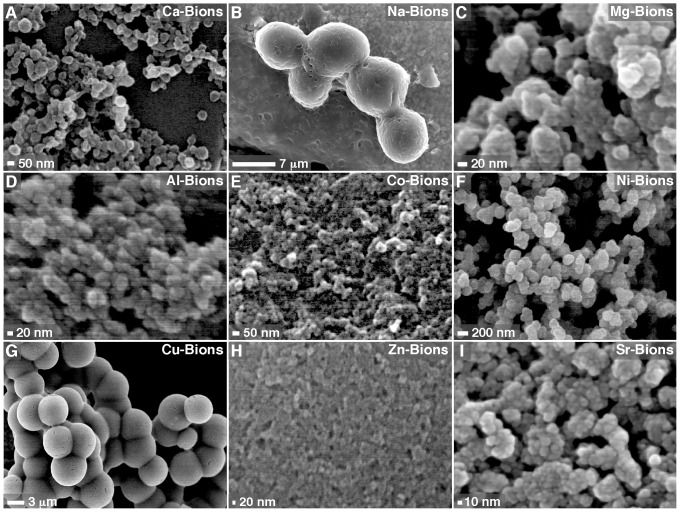
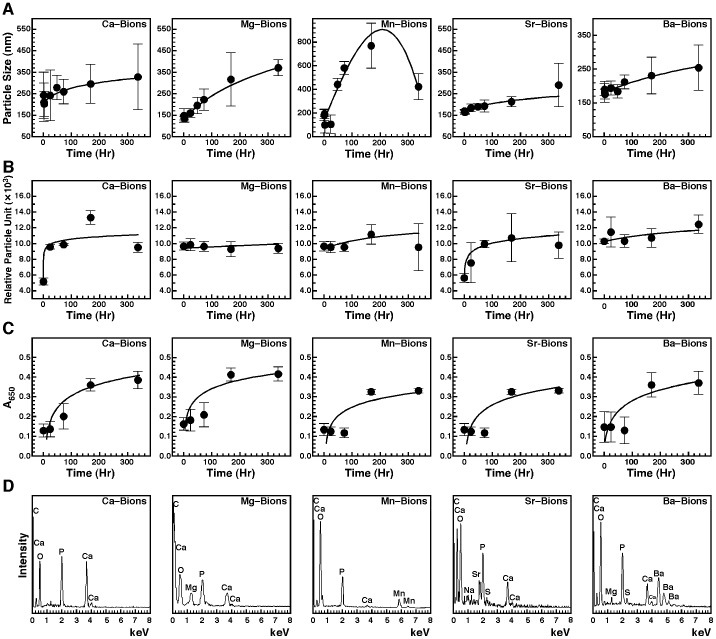
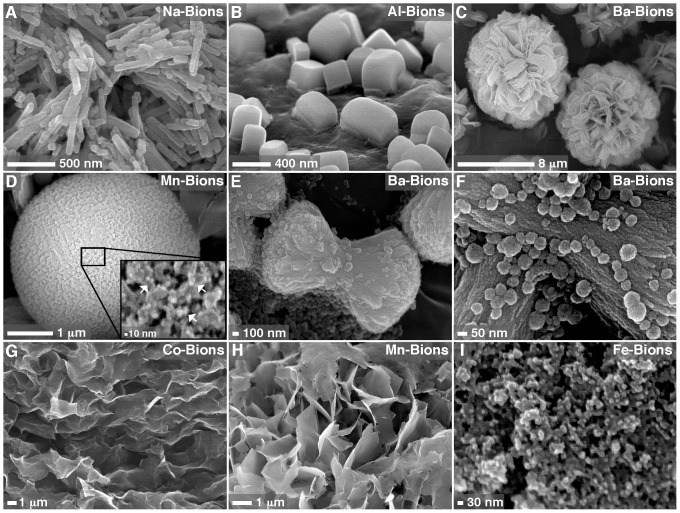
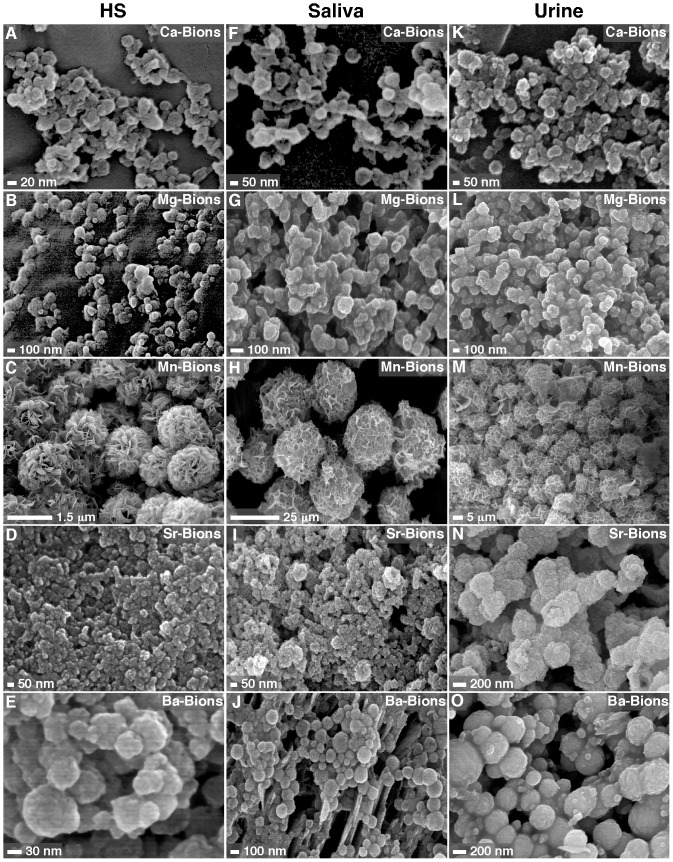
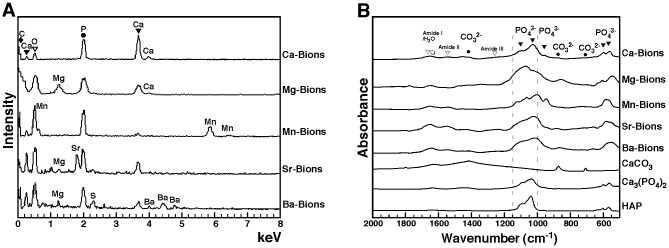
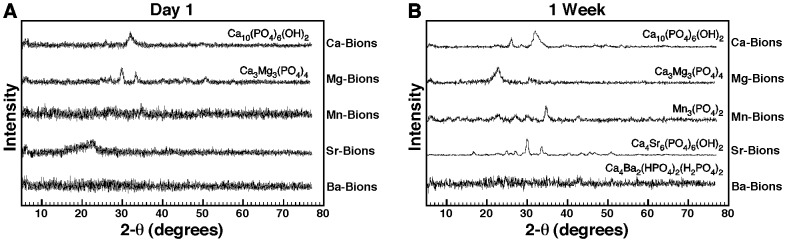
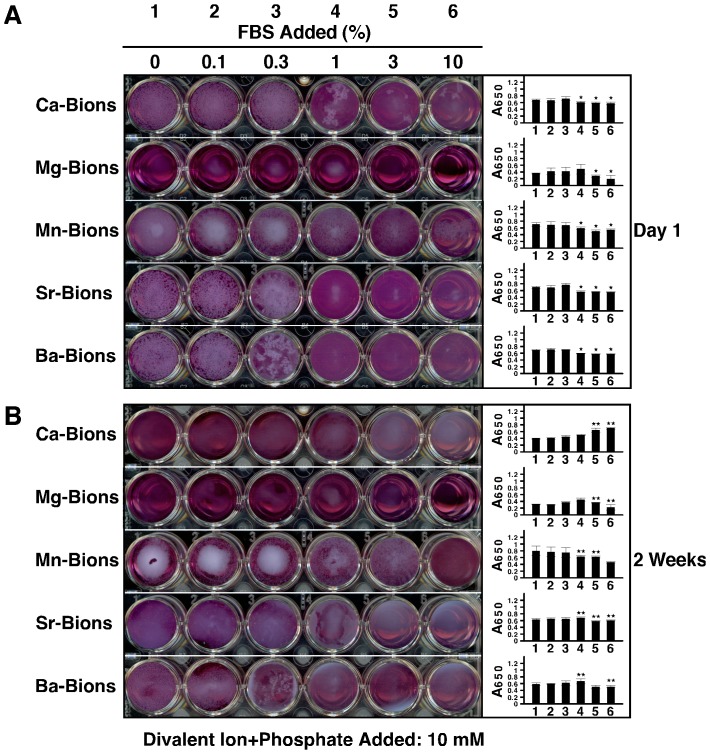
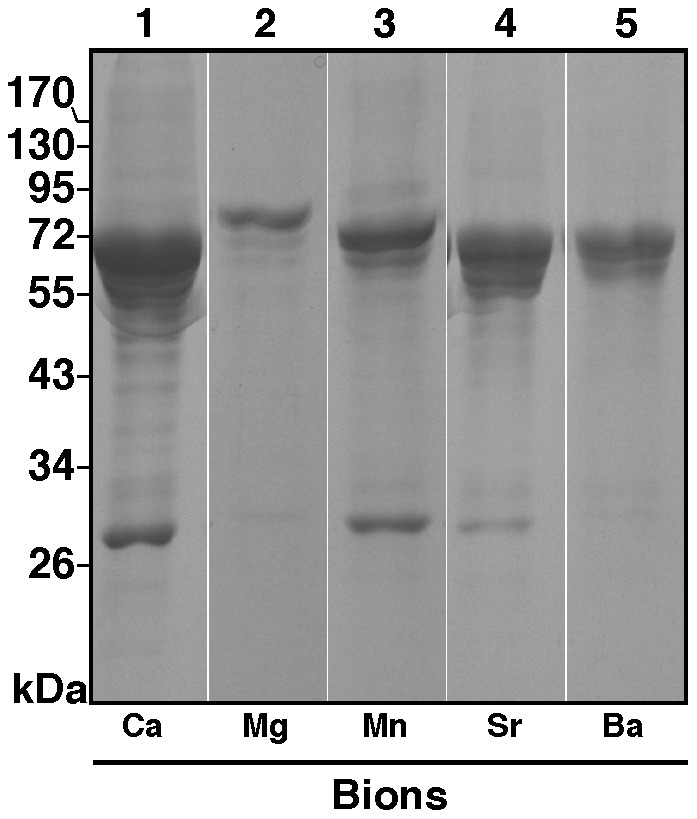
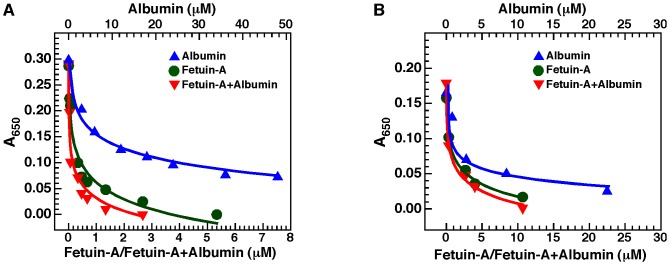
Mineralo-organic nanoparticles form spontaneously in human body fluids when the concentrations of calcium and phosphate ions exceed saturation. We have shown previously that these mineralo-organic nanoparticles possess biomimetic properties and can reproduce the whole phenomenology of the so-called nanobacteria-mineralized entities initially described as the smallest microorganisms on earth. Here, we examine the possibility that various charged elements and ions may form mineral nanoparticles with similar properties in biological fluids. Remarkably, all the elements tested, including sodium, magnesium, aluminum, calcium, manganese, iron, cobalt, nickel, copper, zinc, strontium, and barium form mineralo-organic particles with bacteria-like morphologies and other complex shapes following precipitation with phosphate in body fluids. Upon formation, these mineralo-organic particles, which we term bions, invariably accumulate carbonate apatite during incubation in biological fluids; yet, the particles also incorporate additional elements and thus reflect the ionic milieu in which they form. Bions initially harbor an amorphous mineral phase that gradually converts to crystals in culture. Our results show that serum produces a dual inhibition-seeding effect on bion formation. Using a comprehensive proteomic analysis, we identify a wide range of proteins that bind to these mineral particles during incubation in medium containing serum. The two main binding proteins identified, albumin and fetuin-A, act as both inhibitors and seeders of bions in culture. Notably, bions possess several biomimetic properties, including the possibility to increase in size and number and to be sub-cultured in fresh culture medium. Based on these results, we propose that bions represent biological, mineralo-organic particles that may form in the body under both physiological and pathological homeostasis conditions. These mineralo-organic particles may be part of a physiological cycle that regulates the function, transport and disposal of elements and minerals in the human body.
当钙离子和磷酸盐离子浓度超过饱和度时,人体体液中会自发形成矿化有机纳米颗粒。我们之前已经表明,这些矿化有机纳米颗粒具有仿生特性,可以再现最初被描述为地球上最小微生物的所谓纳米细菌矿化实体的整个现象学。在这里,我们研究了在生物体液中,各种带电元素和离子是否可能形成具有类似性质的矿化纳米颗粒。值得注意的是,所有测试的元素,包括钠、镁、铝、钙、锰、铁、钴、镍、铜、锌、锶和钡,在与磷酸盐沉淀后,都会形成具有细菌样形态和其他复杂形状的矿化有机颗粒。在形成后,这些矿化有机颗粒,我们称之为 bions,在生物体液中孵育时总是会积累碳酸磷灰石;然而,这些颗粒也会掺入额外的元素,因此反映了它们形成的离子环境。bions 最初含有无定形的矿物相,在培养过程中逐渐转化为晶体。我们的结果表明,血清对 bion 的形成具有双重抑制-接种效应。使用综合蛋白质组学分析,我们在含有血清的培养基中孵育时,鉴定出与这些矿化颗粒结合的广泛的蛋白质。鉴定出的两种主要结合蛋白,白蛋白和胎球蛋白 A,在培养中既作为 bions 的抑制剂,又作为其接种物。值得注意的是,bions 具有多种仿生特性,包括增加大小和数量的可能性,并可以在新鲜培养基中进行亚培养。基于这些结果,我们提出 bions 代表可能在生理和病理动态平衡条件下在体内形成的生物矿化有机颗粒。这些矿化有机颗粒可能是调节人体中元素和矿物质的功能、运输和处置的生理循环的一部分。