Biotechnology Research Laboratories, School of Biomedical Sciences, Monash University, Melbourne, Victoria, Australia ; Australian Research Council Centre of Excellence in Structural and Functional Microbial Genomics, Monash University, Melbourne, Victoria, Australia.
PLoS Negl Trop Dis. 2013 Sep 26;7(9):e2460. doi: 10.1371/journal.pntd.0002460. eCollection 2013.
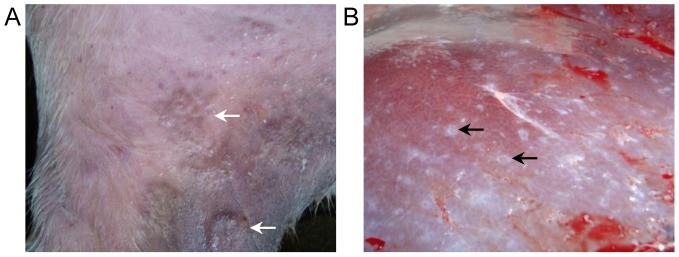
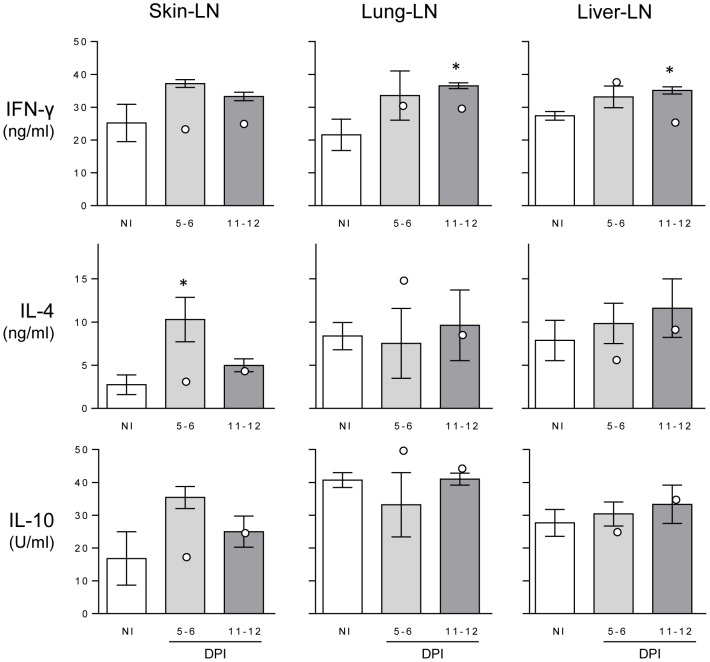
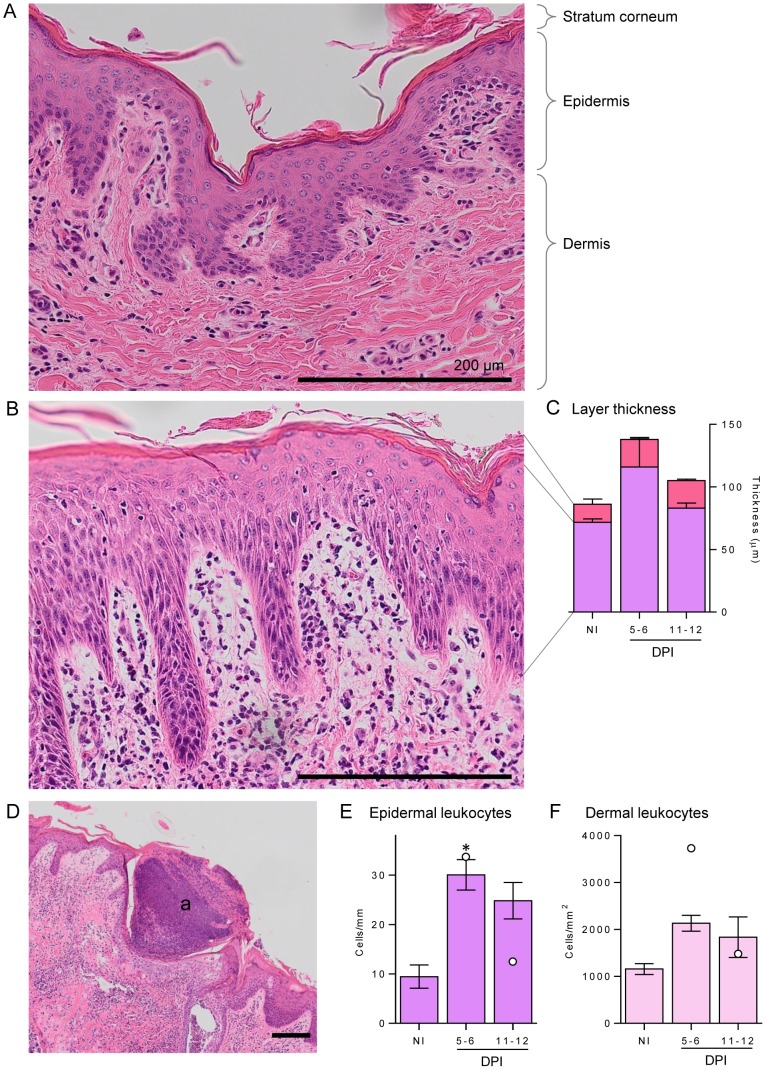
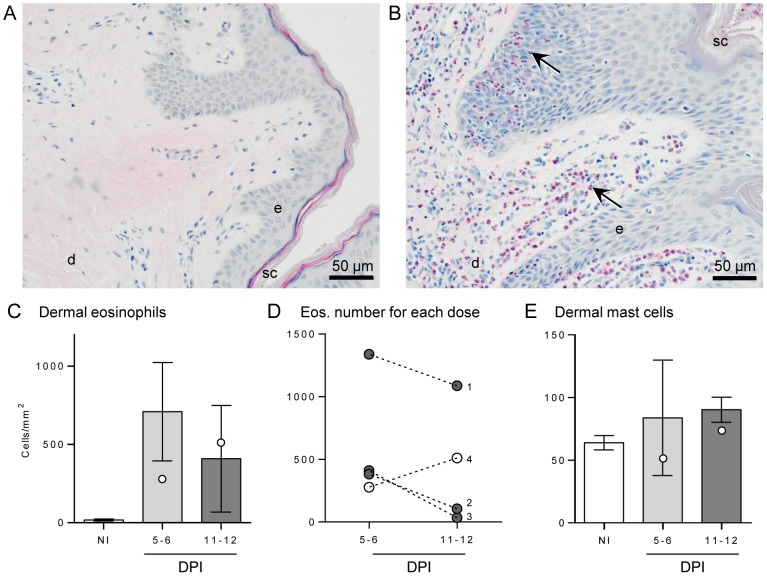
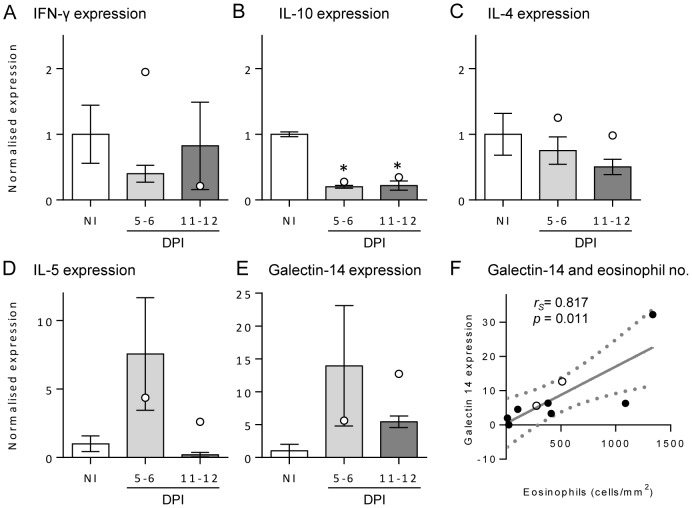
Asian schistosomiasis is a zoonotic parasitic disease infecting up to a million people and threatening tens of millions more. Control of this disease is hindered by the animal reservoirs of the parasite, in particular the water buffalo (Bubalus bubalis), which is responsible for significant levels of human transmission. A transmission-blocking vaccine administered to buffaloes is a realistic option which would aid in the control of schistosomiasis. This will however require a better understanding of the immunobiology of schistosomiasis in naturally exposed buffaloes, particularly the immune response to migrating schistosome larvae, which are the likely targets of an anti-schistosome vaccine. To address this need we investigated the immune response at the major sites of larval migration, the skin and the lungs, in previously exposed and re-challenged water buffaloes. In the skin, a strong allergic-type inflammatory response occurred, characterised by leukocyte and eosinophil infiltration including the formation of granulocytic abscesses. Additionally at the local skin site, interleukin-5 transcript levels were elevated, while interleukin-10 levels decreased. In the skin-draining lymph node (LN) a predominant type-2 profile was seen in stimulated cells, while in contrast a type-1 profile was detected in the lung draining LN, and these responses occurred consecutively, reflecting the timing of parasite migration. The intense type-2 immune response at the site of cercarial penetration is significantly different to that seen in naive and permissive animal models such as mice, and suggests a possible mechanism for immunity. Preliminary data also suggest a reduced and delayed immune response occurred in buffaloes given high cercarial challenge doses compared with moderate infections, particularly in the skin. This study offers a deeper understanding into the immunobiology of schistosomiasis in a natural host, which may aid in the future design of more effective vaccines.
亚洲血吸虫病是一种人畜共患的寄生虫病,感染人数多达 100 万,威胁人数达数千万。这种疾病的控制受到寄生虫的动物宿主的阻碍,特别是水牛(Bubalus bubalis),它是导致人类传播的重要因素。向水牛接种一种阻断传播的疫苗是一种现实的选择,这将有助于控制血吸虫病。然而,这需要更好地了解自然暴露的水牛中的血吸虫病免疫生物学,特别是对迁移性血吸虫幼虫的免疫反应,这可能是抗血吸虫病疫苗的目标。为了解决这一需求,我们研究了先前暴露和再次受到挑战的水牛中幼虫迁移的主要部位,即皮肤和肺部的免疫反应。在皮肤中,发生了强烈的过敏型炎症反应,其特征是白细胞和嗜酸性粒细胞浸润,包括粒细胞性脓肿的形成。此外,在局部皮肤部位,白细胞介素-5 转录水平升高,而白细胞介素-10 水平降低。在皮肤引流淋巴结(LN)中,刺激细胞中存在主要的 2 型谱,而在肺部引流 LN 中则检测到 1 型谱,这些反应相继发生,反映了寄生虫迁移的时间。在尾蚴穿透部位发生的强烈 2 型免疫反应与在如小鼠等无免疫力和易感性的动物模型中观察到的反应明显不同,这表明了一种可能的免疫机制。初步数据还表明,与中度感染相比,给予高尾蚴挑战剂量的水牛的免疫反应减少且延迟,特别是在皮肤中。这项研究更深入地了解了天然宿主中的血吸虫病免疫生物学,这可能有助于未来设计更有效的疫苗。