Li T, Lu H, Shen C, Lahiri S K, Wason M S, Mukherjee D, Yu L, Zhao J
Burnett School of Biomedical Sciences, University of Central Florida College of Medicine, Orlando, FL, USA.
Oncogene. 2014 Sep 25;33(39):4746-55. doi: 10.1038/onc.2013.415. Epub 2013 Oct 7.
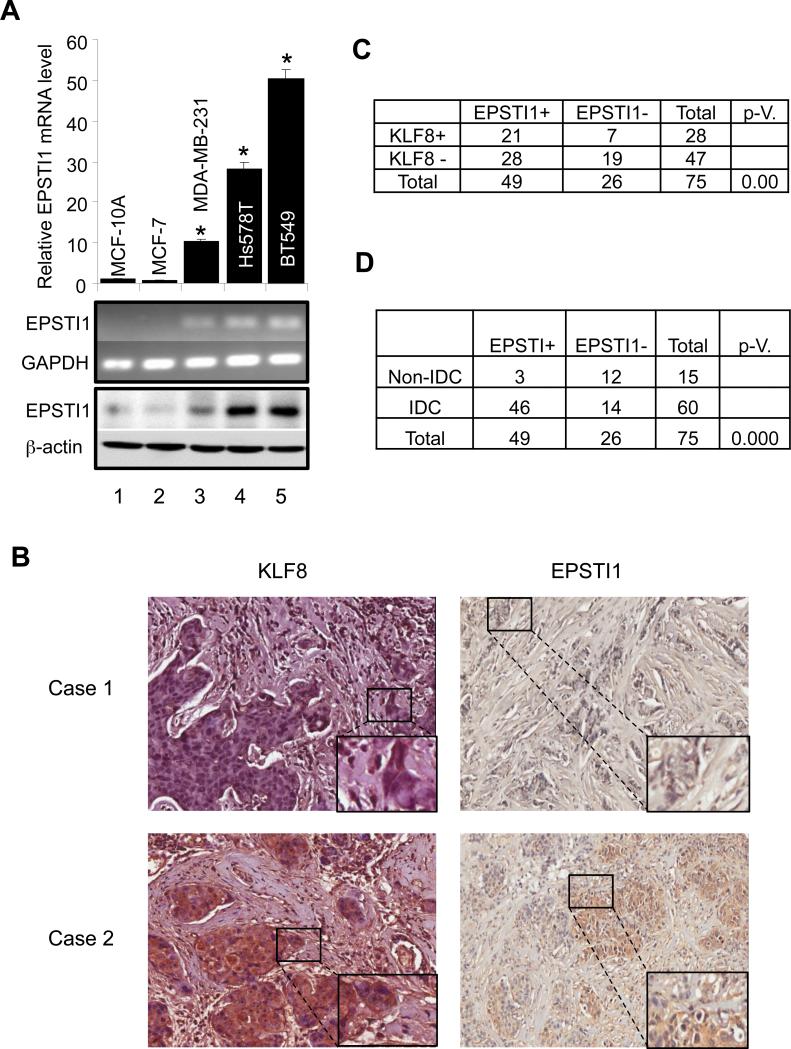
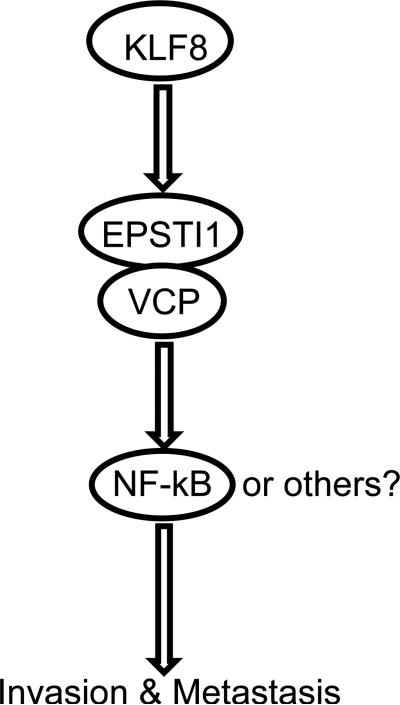
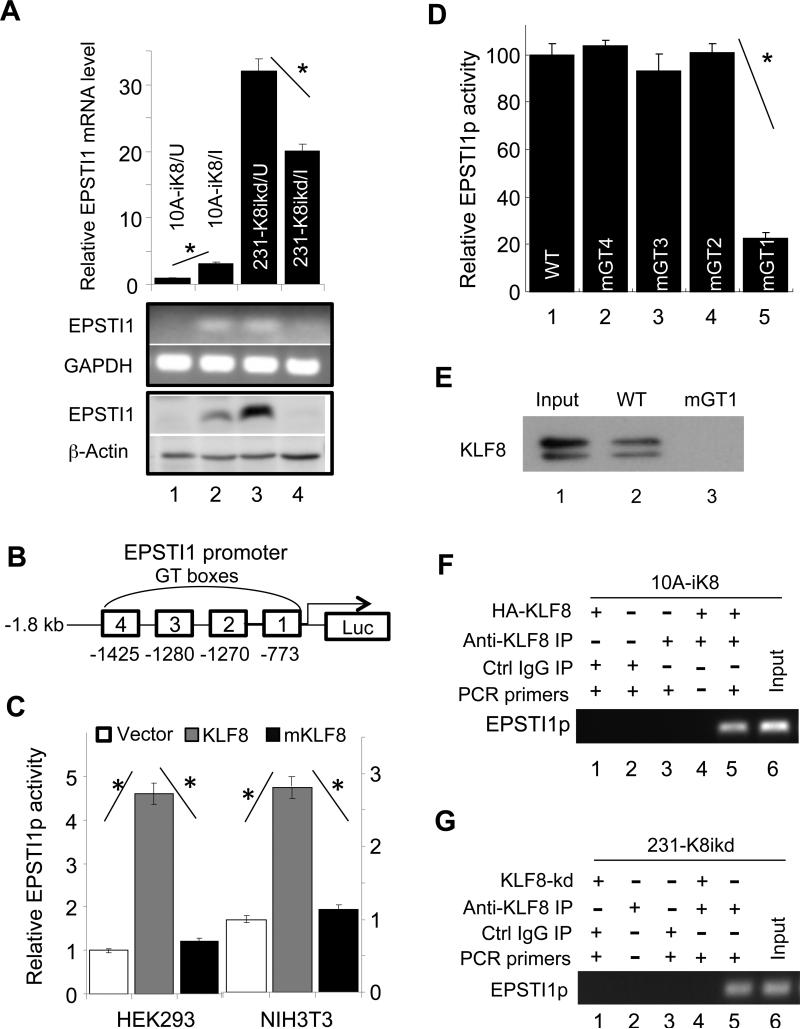
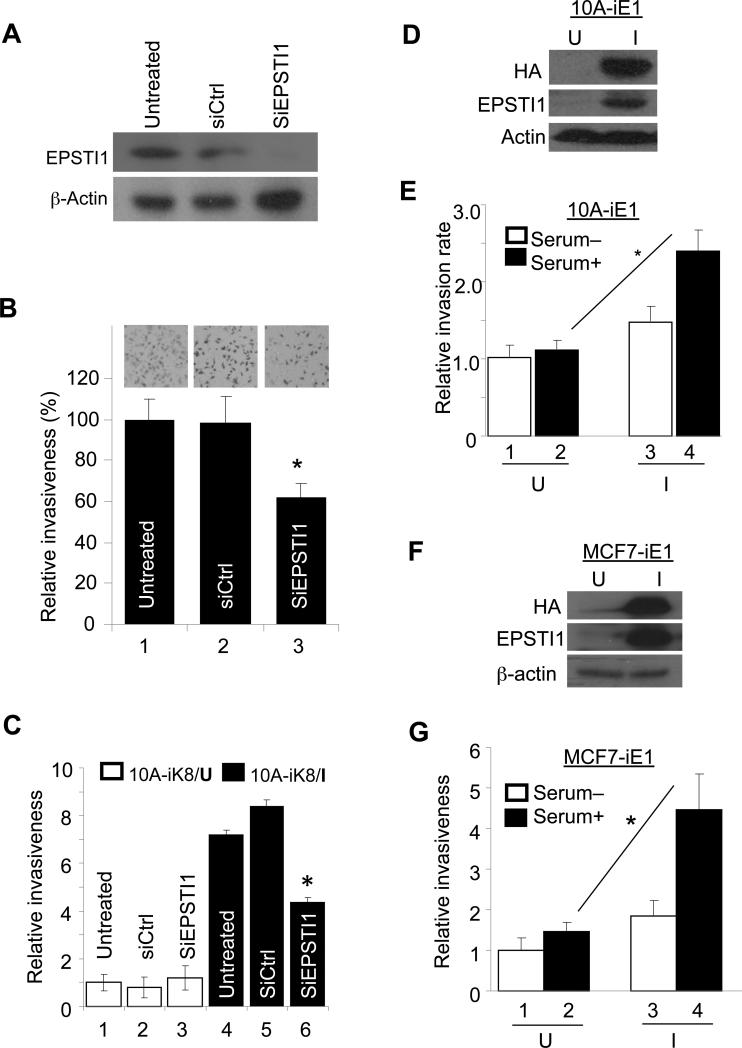
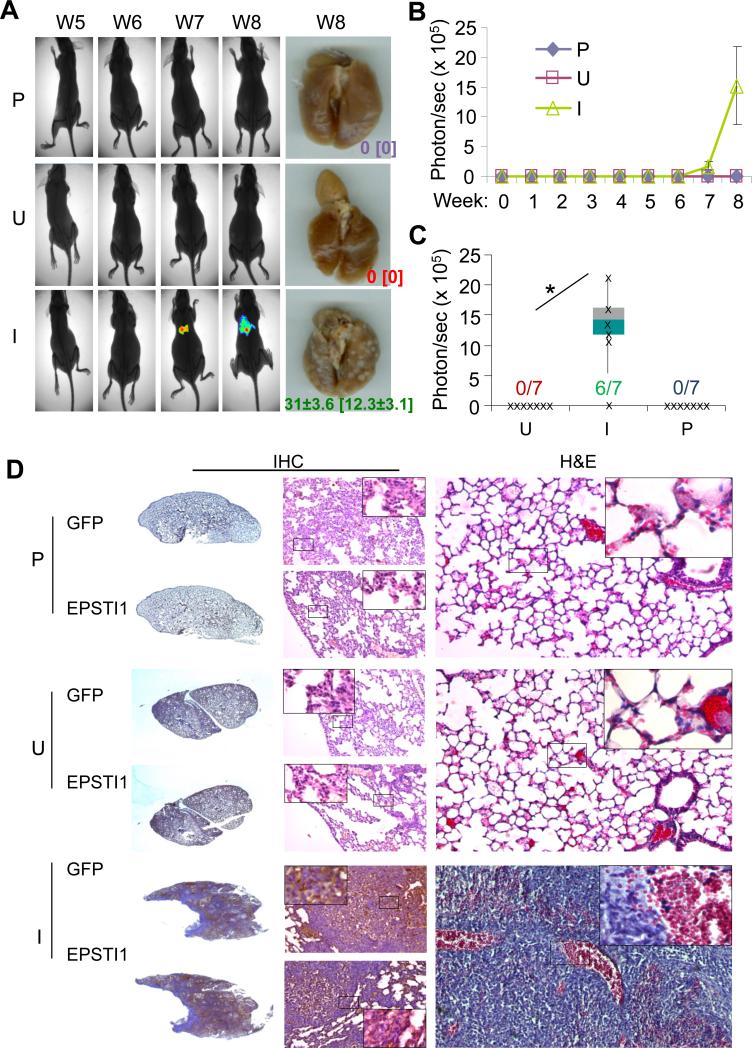
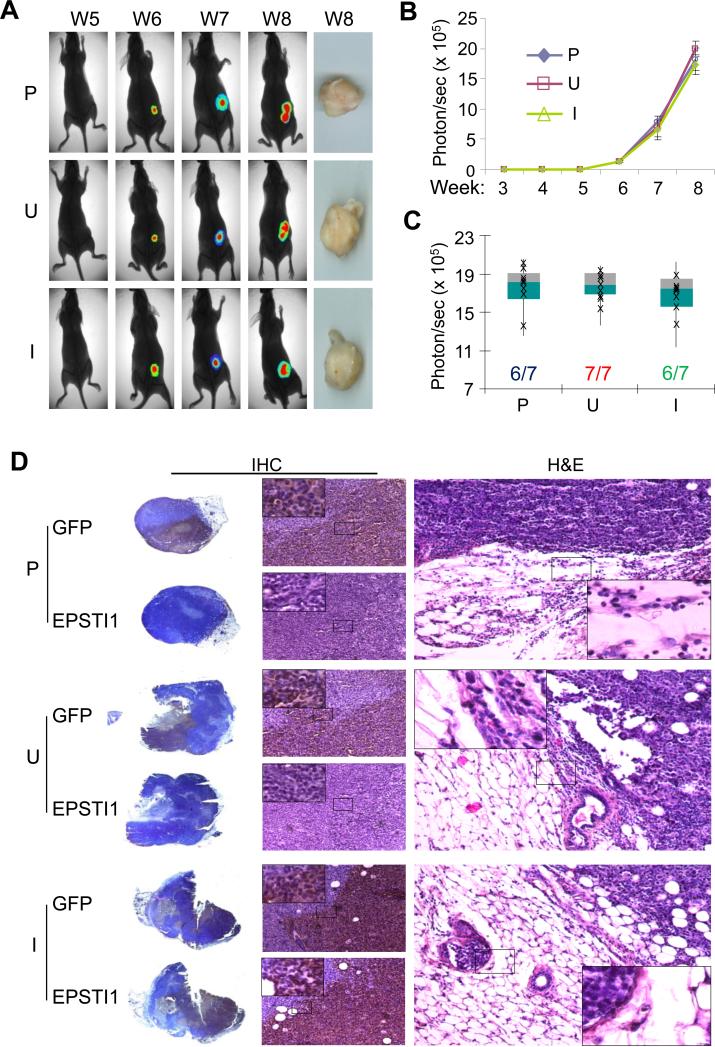
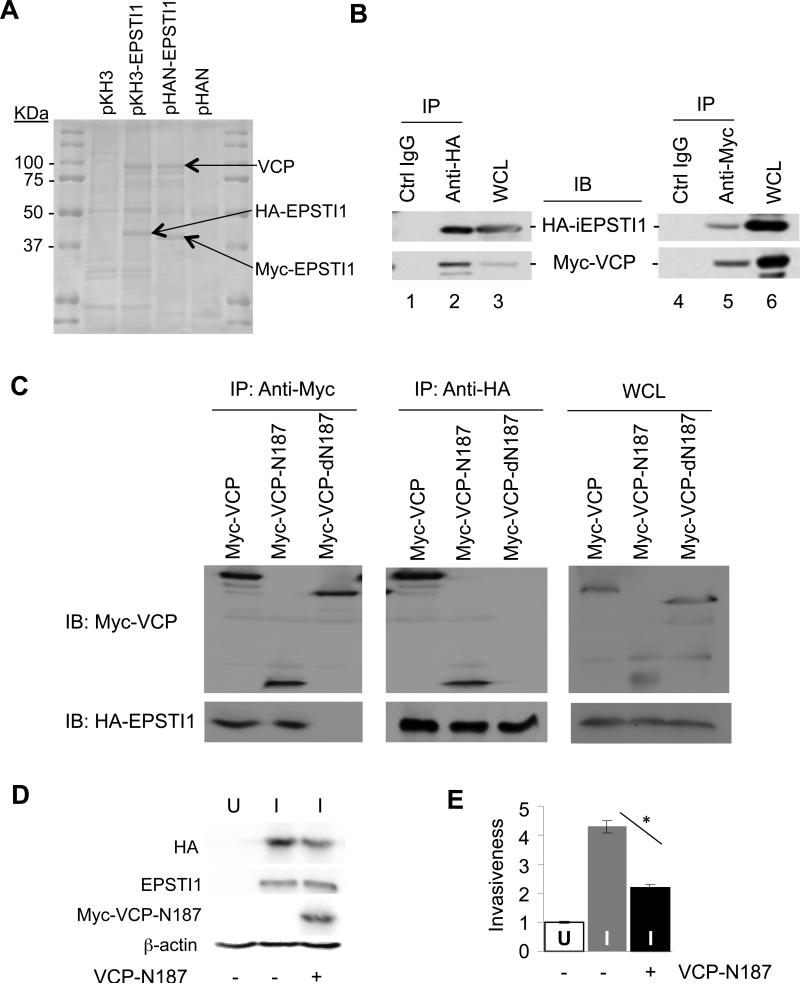
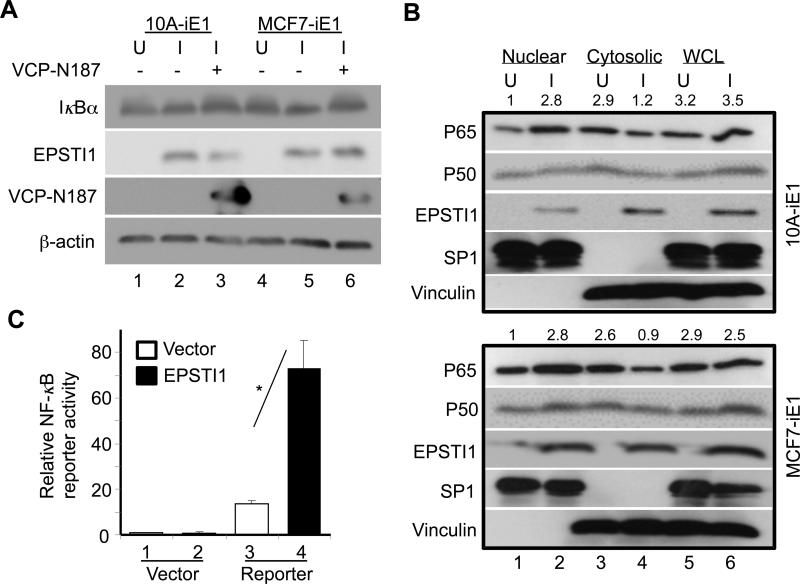
Krüppel-like factor 8 (KLF8) is a transcriptional factor critical for metastatic progression of breast cancer. Epithelial stromal interaction 1 (EPSTI1), a recently identified stromal fibroblast-induced gene in non-invasive breast cancer cells is highly overexpressed in invasive breast carcinomas. The function and regulation of EPSTI1, however, remain largely unknown. In this paper, we report a novel KLF8 to EPSTI1 signaling pathway in breast cancer. Using various expression analyses, we revealed a high co-overexpression of KLF8 and EPSTI1 in invasive human breast cancer cells and patient tumors. Ectopic overexpression of KLF8 in the non-invasive MCF-10A cells induced the EPSTI1 expression, whereas KLF8 knockdown from the invasive, MDA-MB-231 cells decreased the EPSTI1 expression. Promoter activation and binding analyses indicated that KLF8 promoted the EPSTI1 expression by directly acting on the EPSTI1 gene promoter. EPSTI1 knockdown dramatically reduced the KLF8-promoted MCF-10A cell invasion, and ectopic expression of EPSTI1 in the non-invasive MCF-7 cells is sufficient to induce the cell invasion. Experiments using nude mice demonstrated that the ectopic EPSTI1 granted the MCF-7 cells capability of both invasive growth in the breasts and metastasis to the lungs. Using co-immunoprecipitation coupled with mass spectrometry, we discovered that EPSTI1 interacts with the valosin-containing protein (VCP), resulting in the degradation of IκBα and subsequent activation of NF-κB in the nucleus. These findings suggest a novel KLF8 to EPSTI1 to VCP to NF-κB signaling mechanism potentially critical for breast cancer invasion and metastasis.
Krüppel样因子8(KLF8)是一种对乳腺癌转移进展至关重要的转录因子。上皮-间质相互作用因子1(EPSTI1)是最近在非侵袭性乳腺癌细胞中发现的一种由基质成纤维细胞诱导的基因,在侵袭性乳腺癌中高度过表达。然而,EPSTI1的功能和调控在很大程度上仍不清楚。在本文中,我们报道了乳腺癌中一种新的从KLF8到EPSTI1的信号通路。通过各种表达分析,我们发现KLF8和EPSTI1在侵袭性人乳腺癌细胞和患者肿瘤中高度共过表达。在非侵袭性MCF-10A细胞中异位过表达KLF8可诱导EPSTI1表达,而从侵袭性MDA-MB-231细胞中敲低KLF8则降低EPSTI1表达。启动子激活和结合分析表明,KLF8通过直接作用于EPSTI1基因启动子来促进EPSTI1表达。敲低EPSTI1显著降低了KLF8促进的MCF-10A细胞侵袭,并且在非侵袭性MCF-7细胞中异位表达EPSTI1足以诱导细胞侵袭。使用裸鼠进行的实验表明,异位表达的EPSTI1赋予MCF-7细胞在乳腺中侵袭性生长和转移至肺部的能力。通过免疫共沉淀结合质谱分析,我们发现EPSTI1与含缬酪肽蛋白(VCP)相互作用,导致IκBα降解并随后激活细胞核中的NF-κB。这些发现提示了一种新的从KLF8到EPSTI1再到VCP最后到NF-κB的信号机制,这可能对乳腺癌的侵袭和转移至关重要。