Neuroglial Interactions in Cerebral Physiopathology, Center for Interdisciplinary Research in Biology, CNRS UMR 7241, INSERM U1050, Collège de France Paris, France.
Front Cell Neurosci. 2013 Oct 1;7:159. doi: 10.3389/fncel.2013.00159.
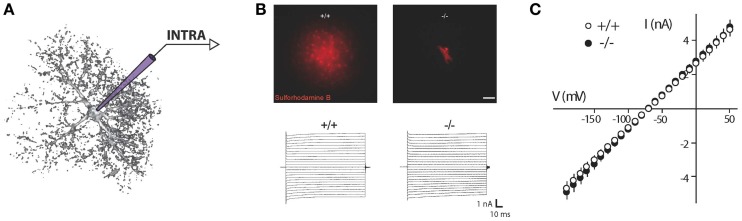
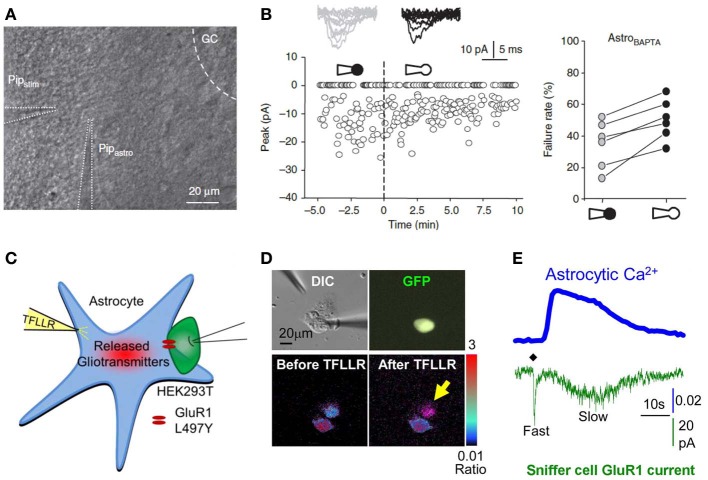
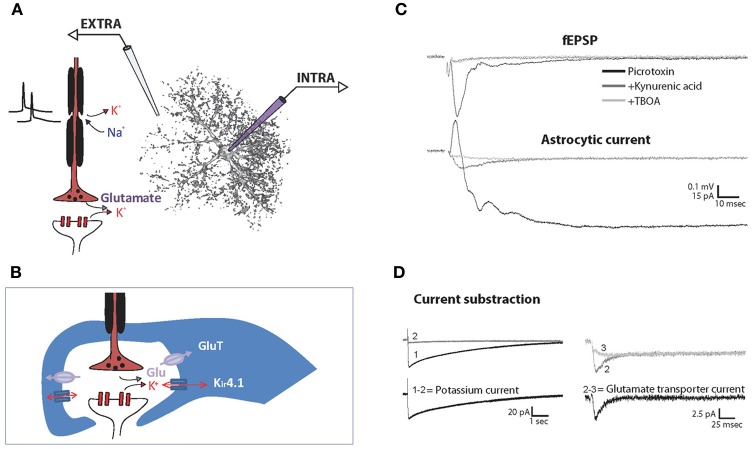
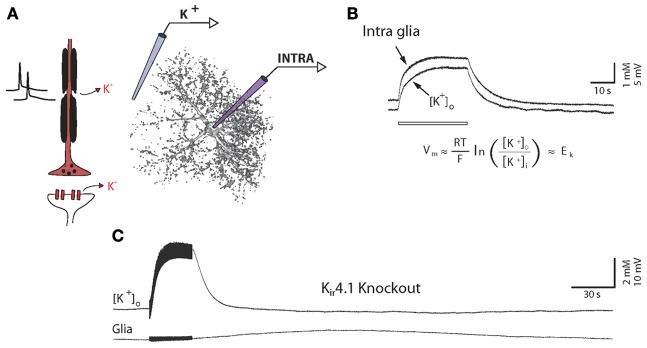
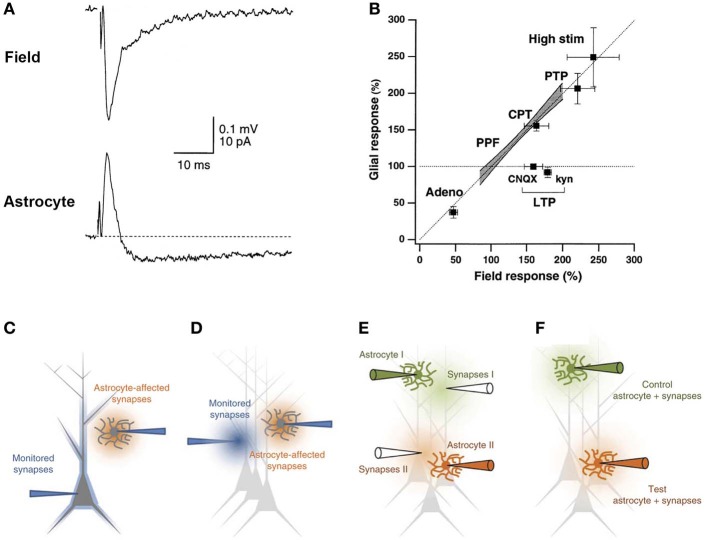
A major breakthrough in neuroscience has been the realization in the last decades that the dogmatic view of astroglial cells as being merely fostering and buffering elements of the nervous system is simplistic. A wealth of investigations now shows that astrocytes actually participate in the control of synaptic transmission in an active manner. This was first hinted by the intimate contacts glial processes make with neurons, particularly at the synaptic level, and evidenced using electrophysiological and calcium imaging techniques. Calcium imaging has provided critical evidence demonstrating that astrocytic regulation of synaptic efficacy is not a passive phenomenon. However, given that cellular activation is not only represented by calcium signaling, it is also crucial to assess concomitant mechanisms. We and others have used electrophysiological techniques to simultaneously record neuronal and astrocytic activity, thus enabling the study of multiple ionic currents and in depth investigation of neuro-glial dialogues. In the current review, we focus on the input such approach has provided in the understanding of astrocyte-neuron interactions underlying control of synaptic efficacy.
在神经科学领域取得的一项重大突破是,过去几十年来人们认识到,将星形胶质细胞视为神经系统中仅仅起支持和缓冲作用的教条观点过于简单化了。现在大量的研究表明,星形胶质细胞实际上以主动的方式参与了突触传递的控制。这首先是由神经胶质过程与神经元的密切接触暗示的,特别是在突触水平上,并且使用电生理学和钙成像技术得到了证明。钙成像提供了关键证据,证明星形胶质细胞对突触效能的调节不是一种被动现象。然而,鉴于细胞激活不仅由钙信号代表,评估伴随的机制也至关重要。我们和其他人使用电生理学技术同时记录神经元和星形胶质细胞的活动,从而能够研究多种离子电流,并深入研究神经胶质对话。在当前的综述中,我们重点介绍了这种方法在理解控制突触效能的星形胶质细胞-神经元相互作用方面提供的见解。