Yang Eun-Ju, Kim Geum-Soog, Kim Jeong Ah, Song Kyung-Sik
BK21 Research Team for Developing Functional Health and Food Materials, College of Agriculture and Life Sciences, Kyungpook National University, Daegu 702-701, Republic of Korea.
Pharmacogn Mag. 2013 Oct;9(36):302-8. doi: 10.4103/0973-1296.117824.
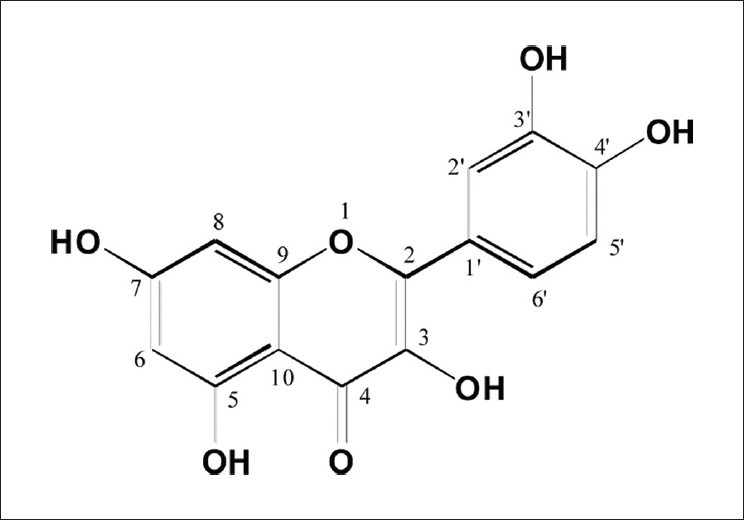
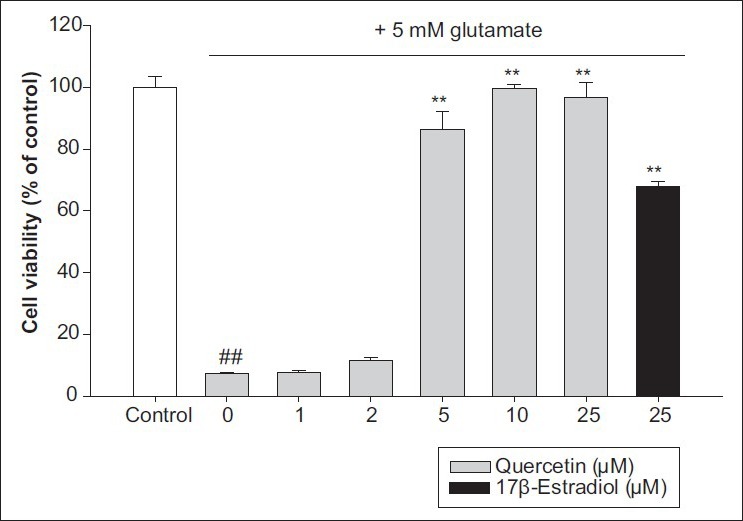
Neurodegenerative diseases are characterized by progressive neuron degeneration in specific functional systems of the central or peripheral nervous system. This study investigated the protective effects of quercetin isolated from onion on neuronal cells and its protective mechanisms against glutamate-induced apoptosis in HT22 cells.
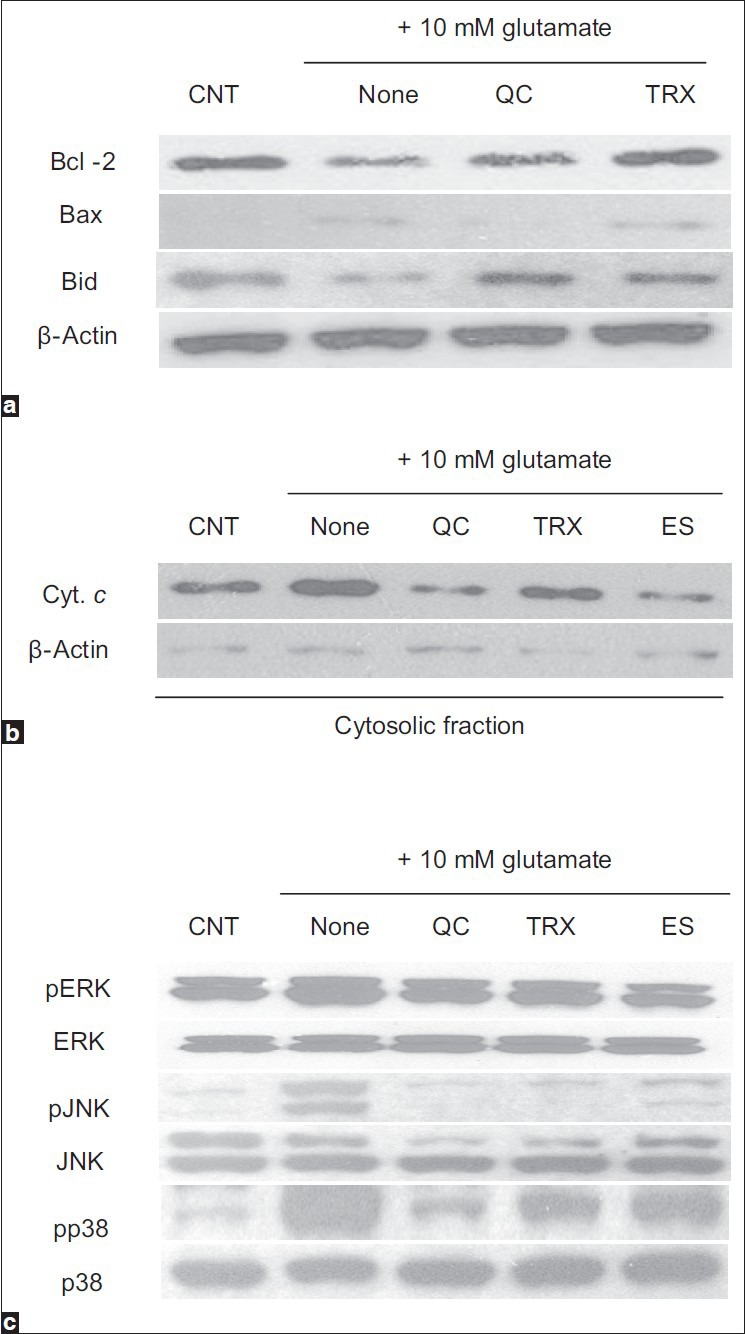
HT22 cells were cultured to study the neuroprotective mechanism of quercetin against glutamate-mediated oxidative stress. The intracellular reactive oxygen species (ROS) level and mitochondrial membrane potential (ΔΨm) were measured. The protein expression of calpain, spectrin, Bcl-2, Bax, Bid, cytochrome c, and mitogen-activated protein kinases (MAPKs) was evaluated by Western blotting.
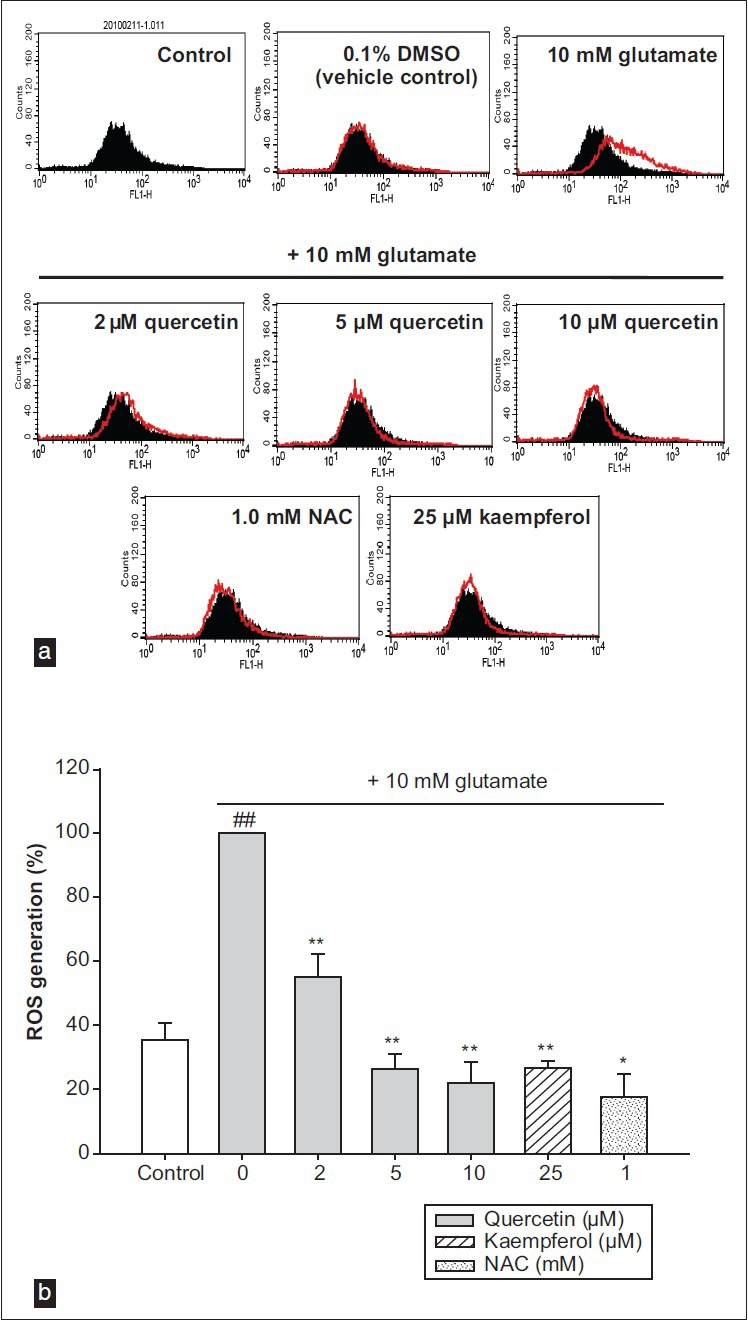
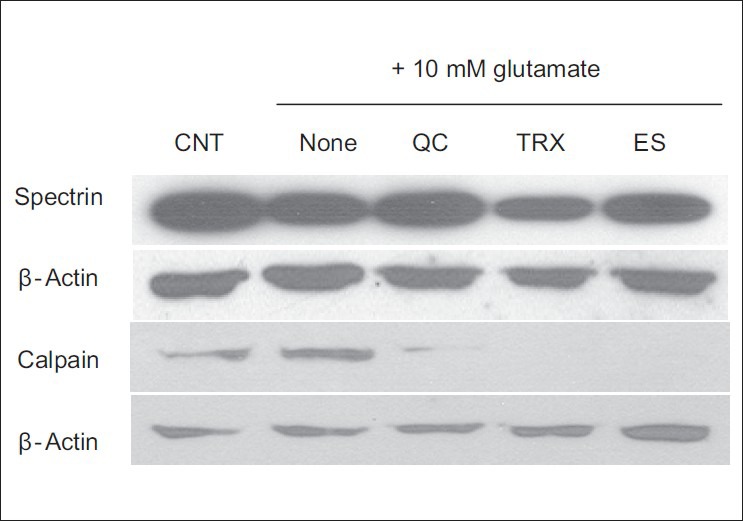
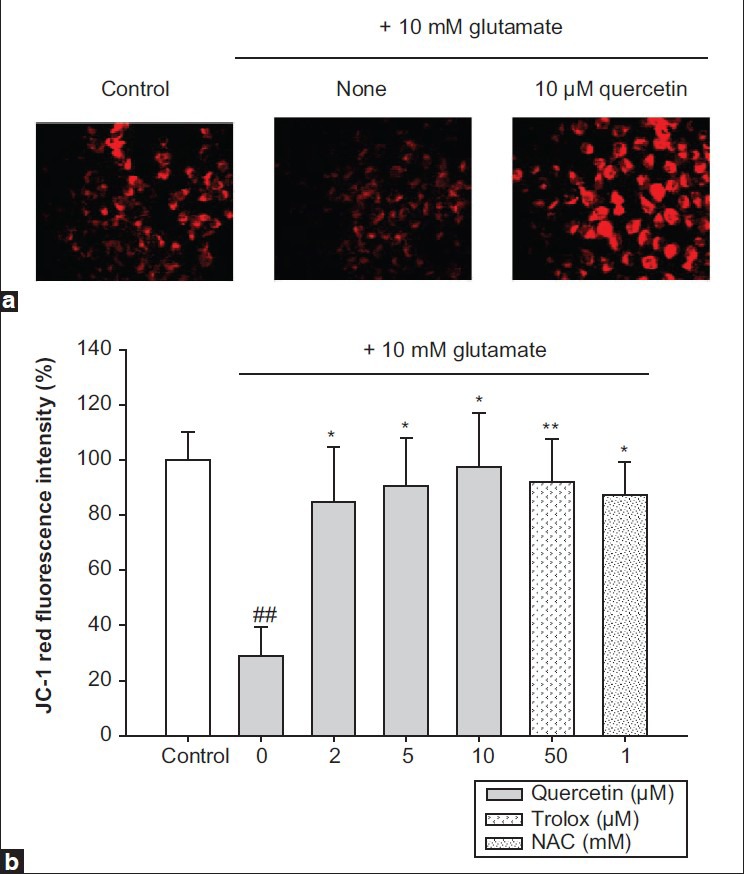
Quercetin had a protective effect by reducing both intracellular ROS overproduction and glutamate-mediated Ca(2+) influx. These effects were due to the downregulation of several apoptosis-related biochemical markers. Calpain expression was reduced and spectrin cleavage was inhibited by quercetin in glutamate-exposed HT22 cells. Disruption of the mitochondrial membrane potential (ΔΨm), activation of the pro-apoptotic proteins Bid and Bax, and cytochrome c release in response to glutamate-induced oxidative stress were reduced. Quercetin also suppressed phosphorylation of MAPKs.
This is the first report on the detailed mechanisms of the protective effect of quercetin on HT22 cells. Onion extract and quercetin may be useful for preventing or treating neurodegenerative disorders.
神经退行性疾病的特征是中枢或外周神经系统特定功能系统中的神经元进行性退化。本研究调查了从洋葱中分离出的槲皮素对神经元细胞的保护作用及其对HT22细胞中谷氨酸诱导的细胞凋亡的保护机制。
培养HT22细胞以研究槲皮素对谷氨酸介导的氧化应激的神经保护机制。测量细胞内活性氧(ROS)水平和线粒体膜电位(ΔΨm)。通过蛋白质印迹法评估钙蛋白酶、血影蛋白、Bcl-2、Bax、Bid、细胞色素c和丝裂原活化蛋白激酶(MAPK)的蛋白质表达。
槲皮素通过减少细胞内ROS的过量产生和谷氨酸介导的Ca(2+)内流发挥保护作用。这些作用归因于几种凋亡相关生化标志物的下调。在暴露于谷氨酸的HT22细胞中,槲皮素降低了钙蛋白酶的表达并抑制了血影蛋白的裂解。谷氨酸诱导的氧化应激导致的线粒体膜电位(ΔΨm)破坏、促凋亡蛋白Bid和Bax的激活以及细胞色素c的释放均减少。槲皮素还抑制了MAPK的磷酸化。
这是关于槲皮素对HT22细胞保护作用详细机制的首次报道。洋葱提取物和槲皮素可能对预防或治疗神经退行性疾病有用。