Frontal Lobe Function Project, Tokyo Metropolitan Institute of Medical Science Tokyo, Japan ; Japan Science and Technology Agency, Core Research for Evolutionary Science and Technology Tokyo, Japan.
Front Neural Circuits. 2013 Oct 21;7:158. doi: 10.3389/fncir.2013.00158. eCollection 2013.
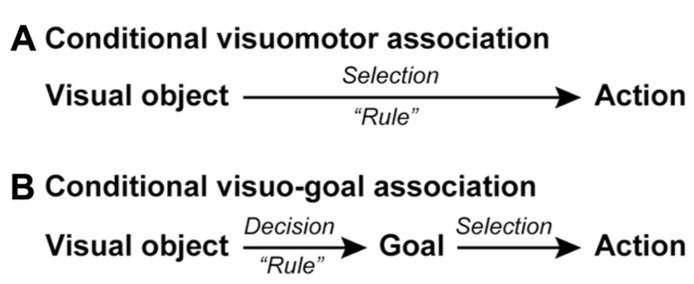
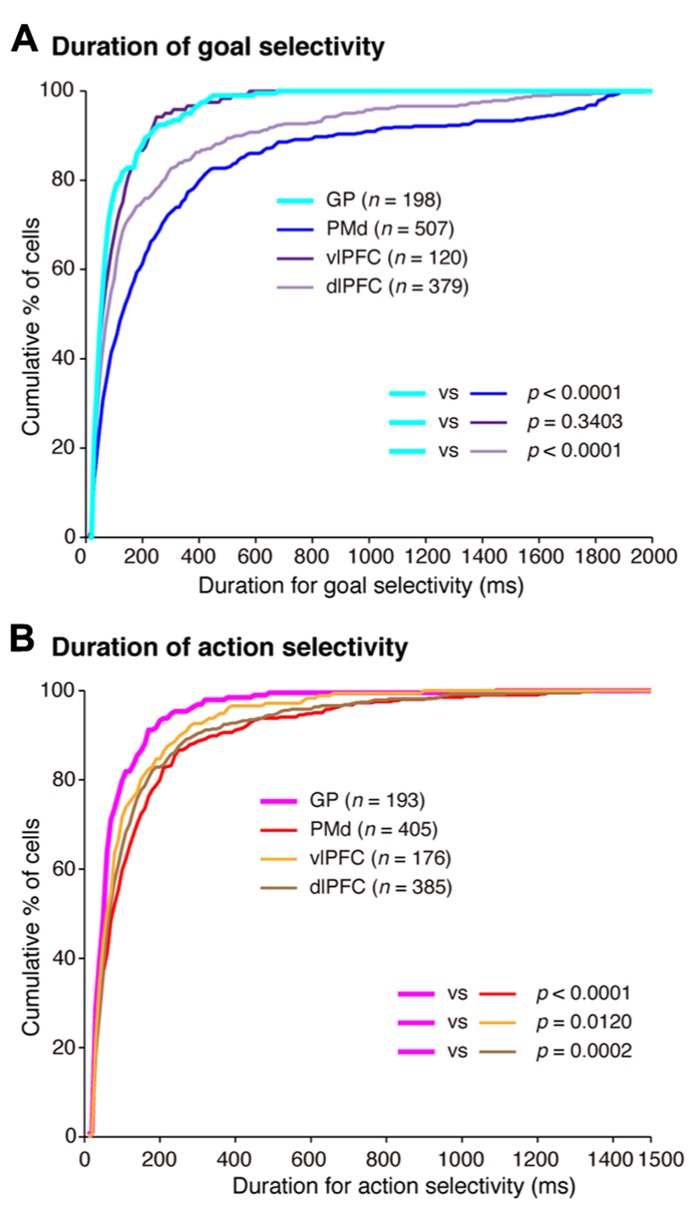
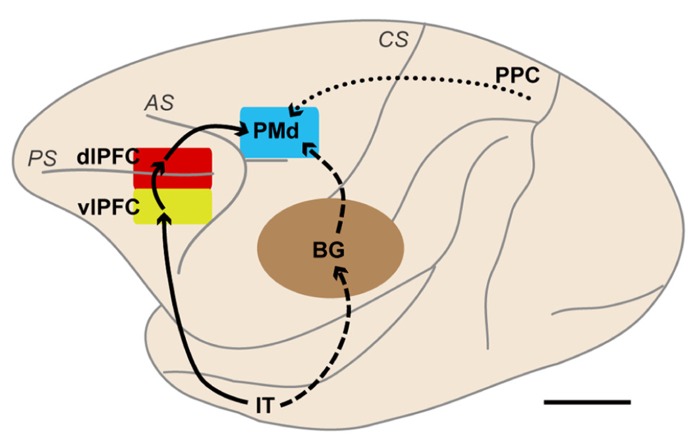
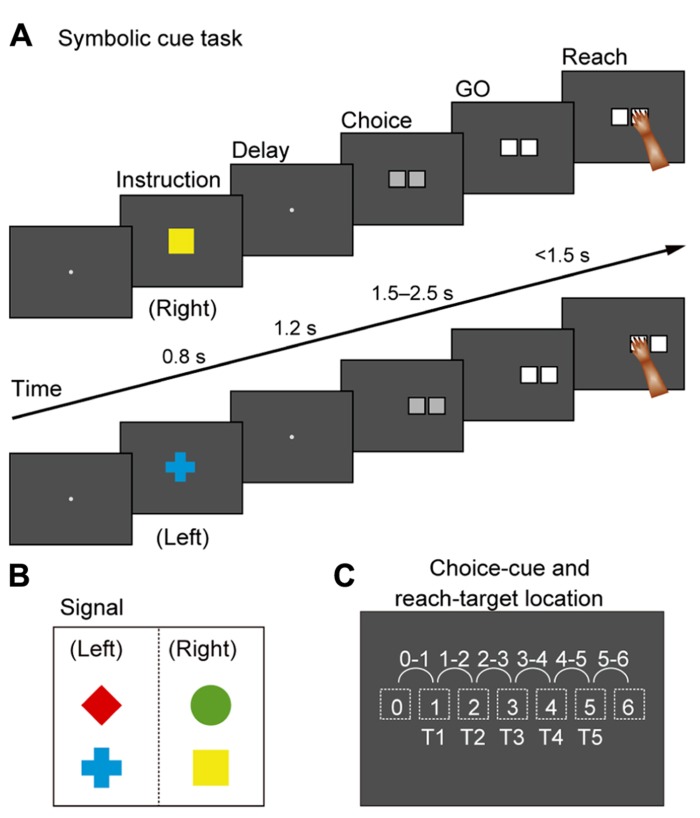
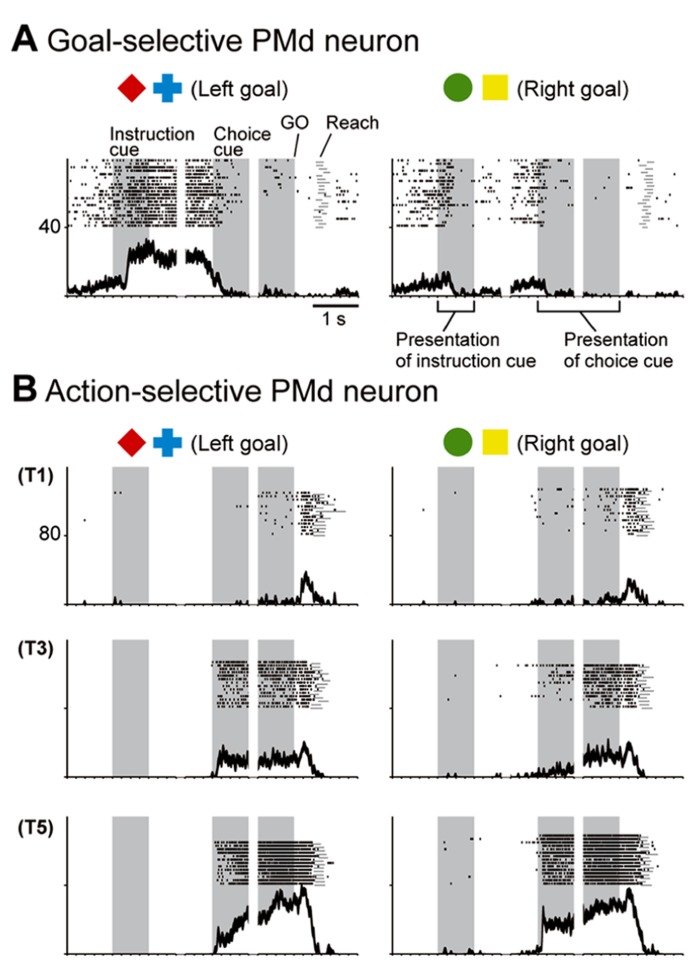
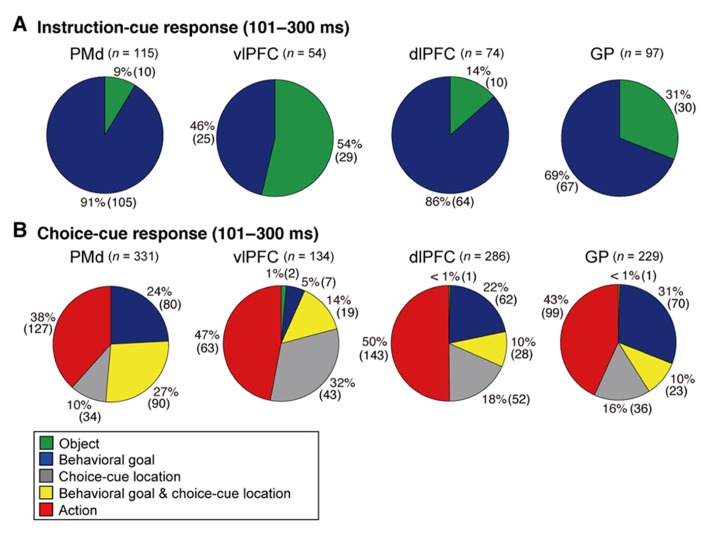
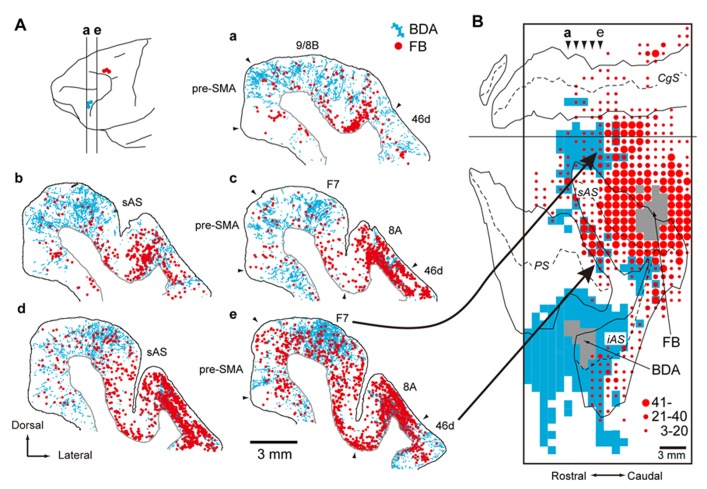
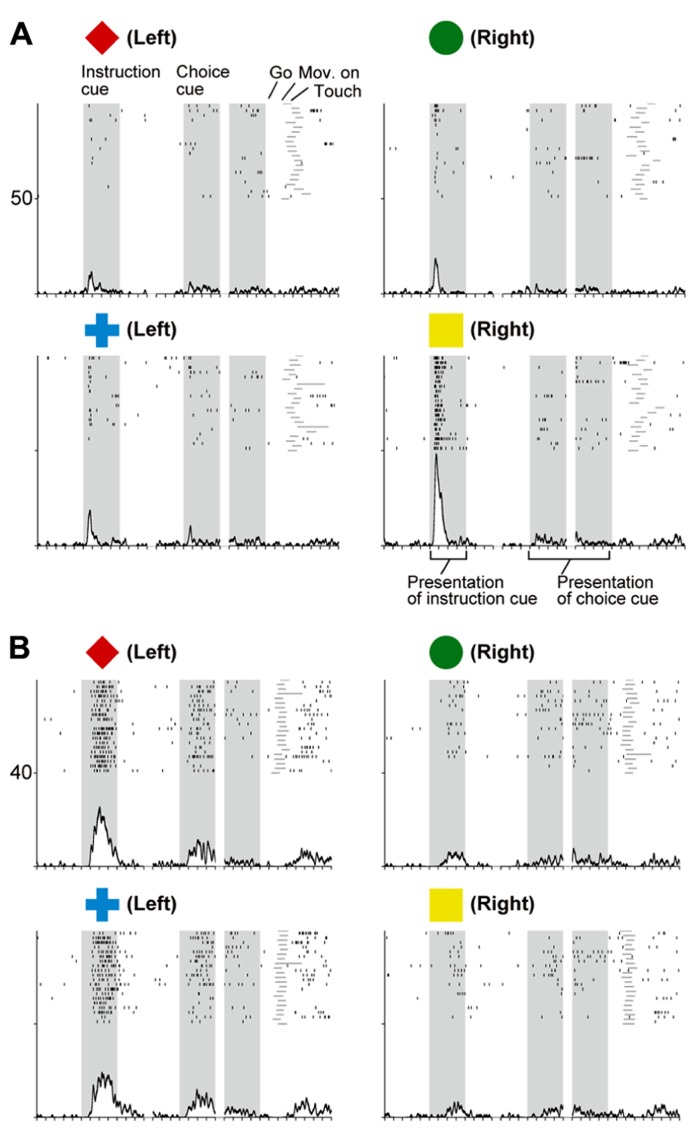
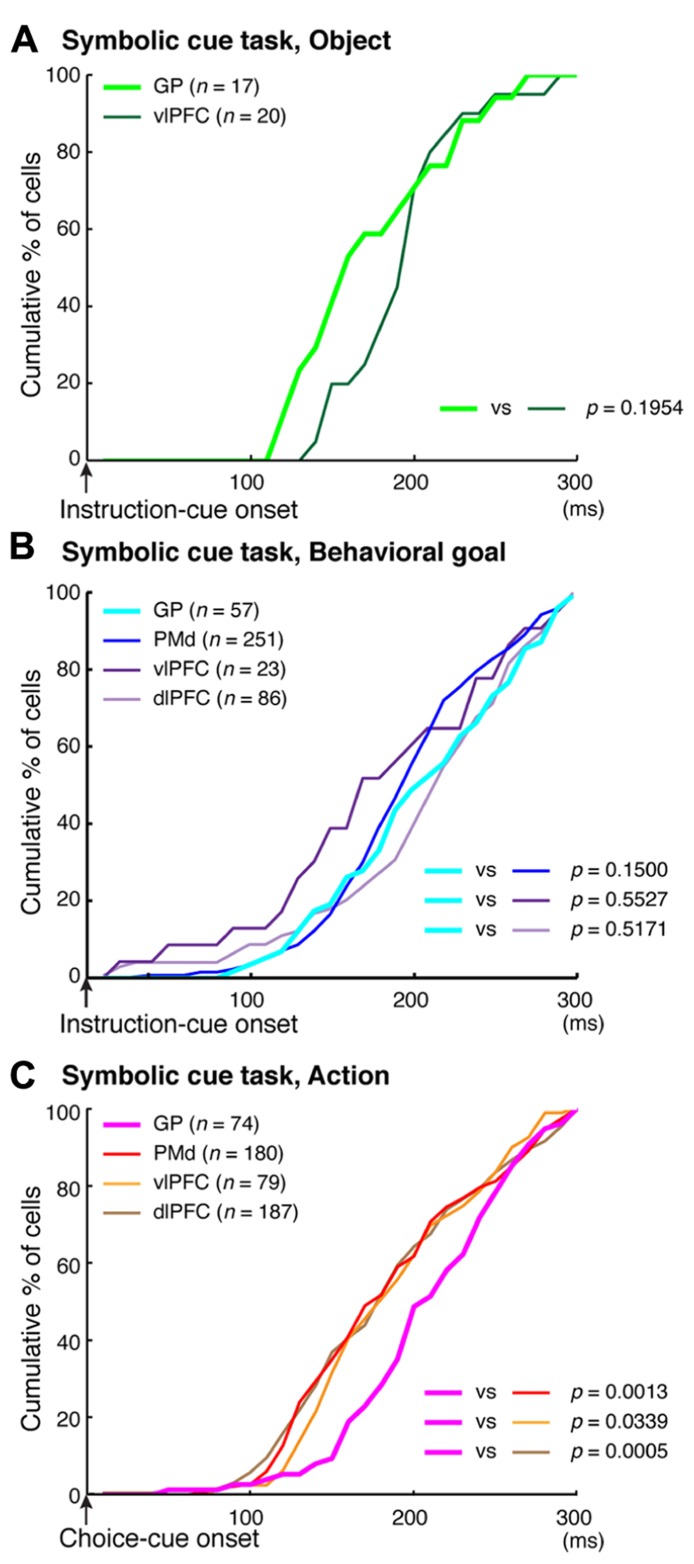
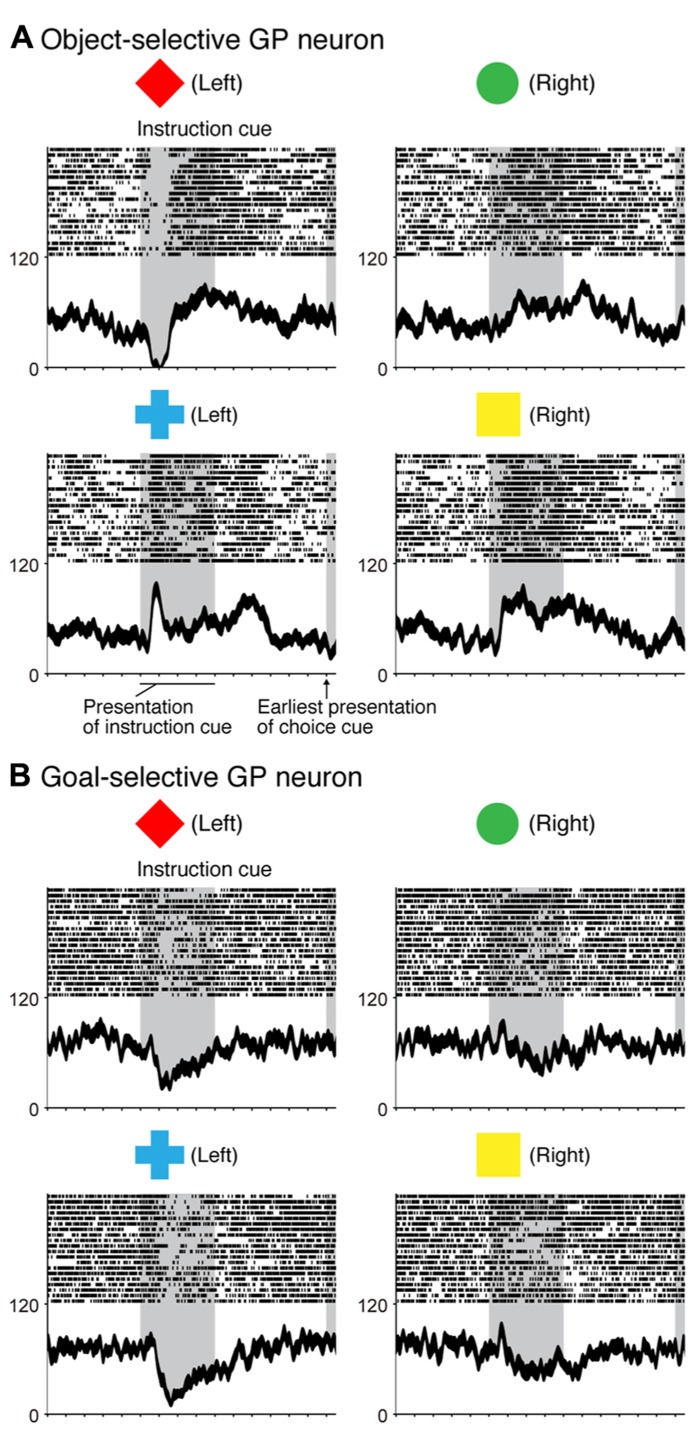
Action is often executed according to information provided by a visual signal. As this type of behavior integrates two distinct neural representations, perception and action, it has been thought that identification of the neural mechanisms underlying this process will yield deeper insights into the principles underpinning goal-directed behavior. Based on a framework derived from conditional visuomotor association, prior studies have identified neural mechanisms in the dorsal premotor cortex (PMd), dorsolateral prefrontal cortex (dlPFC), ventrolateral prefrontal cortex (vlPFC), and basal ganglia (BG). However, applications resting solely on this conceptualization encounter problems related to generalization and flexibility, essential processes in executive function, because the association mode involves a direct one-to-one mapping of each visual signal onto a particular action. To overcome this problem, we extend this conceptualization and postulate a more general framework, conditional visuo-goal association. According to this new framework, the visual signal identifies an abstract behavioral goal, and an action is subsequently selected and executed to meet this goal. Neuronal activity recorded from the four key areas of the brains of monkeys performing a task involving conditional visuo-goal association revealed three major mechanisms underlying this process. First, visual-object signals are represented primarily in the vlPFC and BG. Second, all four areas are involved in initially determining the goals based on the visual signals, with the PMd and dlPFC playing major roles in maintaining the salience of the goals. Third, the cortical areas play major roles in specifying action, whereas the role of the BG in this process is restrictive. These new lines of evidence reveal that the four areas involved in conditional visuomotor association contribute to goal-directed behavior mediated by conditional visuo-goal association in an area-dependent manner.
动作通常根据视觉信号提供的信息来执行。由于这种行为整合了两种不同的神经表现形式,即感知和动作,因此人们认为,识别这种过程背后的神经机制将深入了解指导目标行为的原则。基于从条件视觉运动关联中得出的框架,先前的研究已经确定了背侧运动前皮层(PMd)、背外侧前额叶皮层(dlPFC)、腹外侧前额叶皮层(vlPFC)和基底神经节(BG)中的神经机制。然而,仅基于这种概念的应用会遇到与推广和灵活性相关的问题,这是执行功能的关键过程,因为关联模式涉及到每个视觉信号与特定动作的直接一对一映射。为了解决这个问题,我们扩展了这个概念,并提出了一个更通用的框架,即条件视觉目标关联。根据这个新框架,视觉信号识别出一个抽象的行为目标,然后选择并执行一个动作来达到这个目标。在猴子执行涉及条件视觉目标关联的任务时,从大脑的四个关键区域记录的神经元活动揭示了这一过程的三个主要机制。首先,视觉物体信号主要在 vlPFC 和 BG 中得到表示。其次,所有四个区域都参与了根据视觉信号最初确定目标的过程,PMd 和 dlPFC 在维持目标的显著性方面发挥着主要作用。第三,皮质区域在指定动作方面发挥着主要作用,而 BG 在这一过程中的作用是限制性的。这些新的证据表明,参与条件视觉运动关联的四个区域以区域依赖性的方式,为条件视觉目标关联介导的目标导向行为做出贡献。