Department of Pharmacology, University of Michigan, Ann Arbor, Michigan, United States of America.
PLoS One. 2013 Oct 14;8(10):e77843. doi: 10.1371/journal.pone.0077843. eCollection 2013.
Dravet syndrome is a severe form of intractable pediatric epilepsy with a high incidence of SUDEP: Sudden Unexpected Death in epilepsy. Cardiac arrhythmias are a proposed cause for some cases of SUDEP, yet the susceptibility and potential mechanism of arrhythmogenesis in Dravet syndrome remain unknown. The majority of Dravet syndrome patients have de novo mutations in SCN1A, resulting in haploinsufficiency. We propose that, in addition to neuronal hyperexcitability, SCN1A haploinsufficiency alters cardiac electrical function and produces arrhythmias, providing a potential mechanism for SUDEP.
Postnatal day 15-21 heterozygous SCN1A-R1407X knock-in mice, expressing a human Dravet syndrome mutation, were used to investigate a possible cardiac phenotype. A combination of single cell electrophysiology and in vivo electrocardiogram (ECG) recordings were performed.
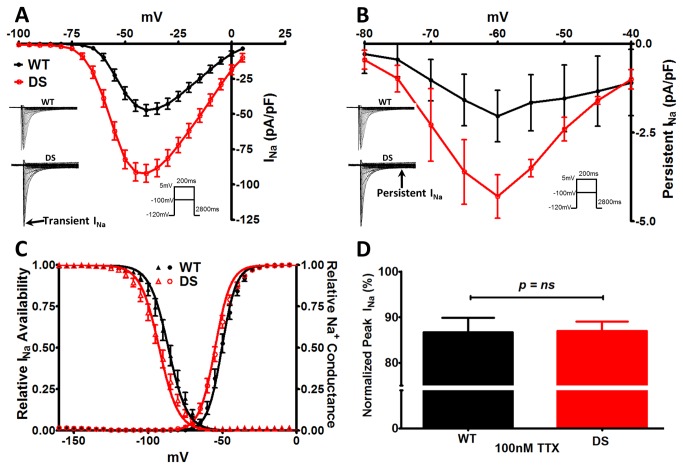
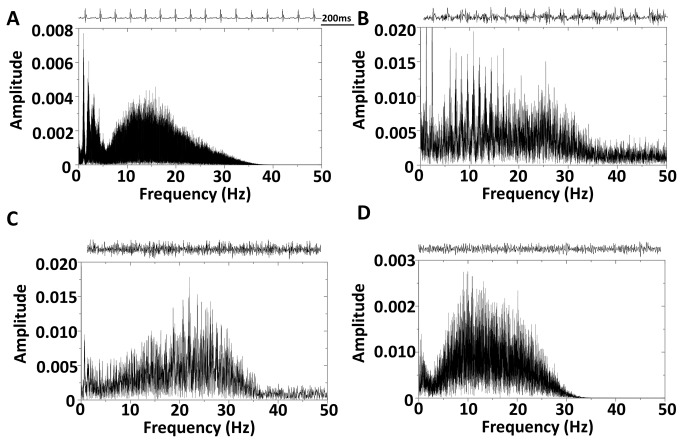
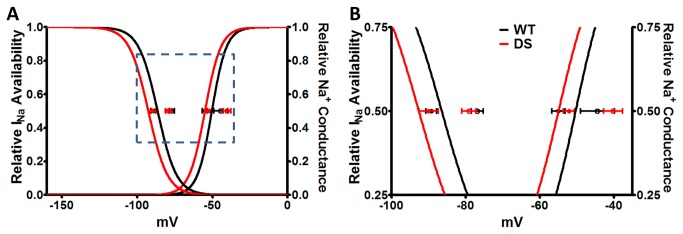
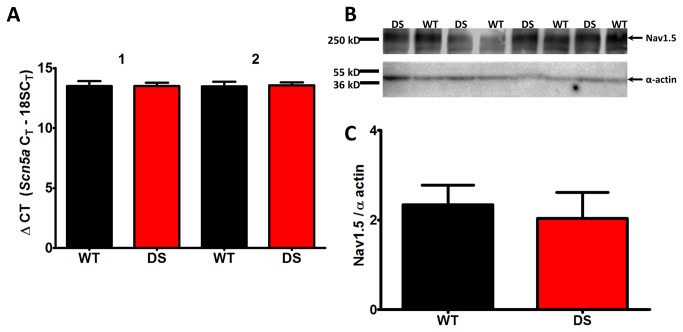
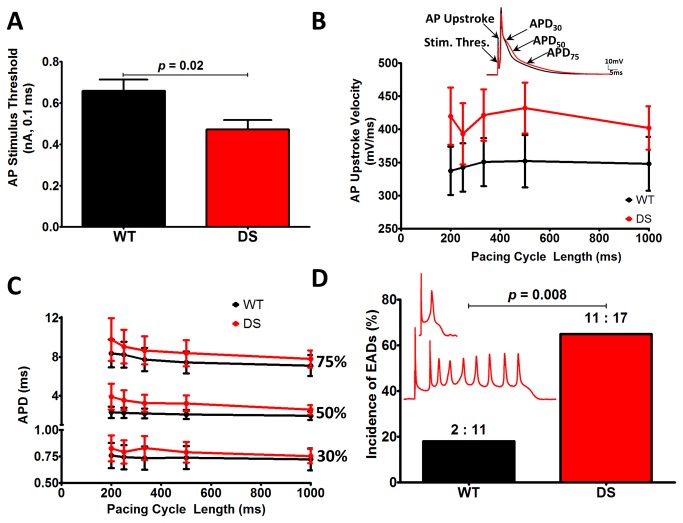
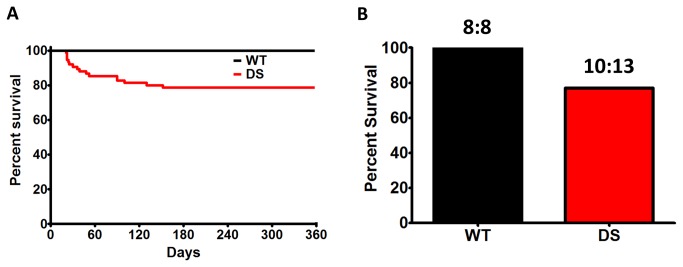
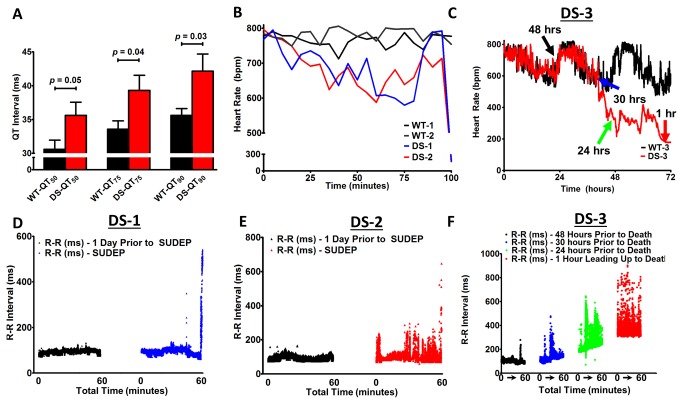
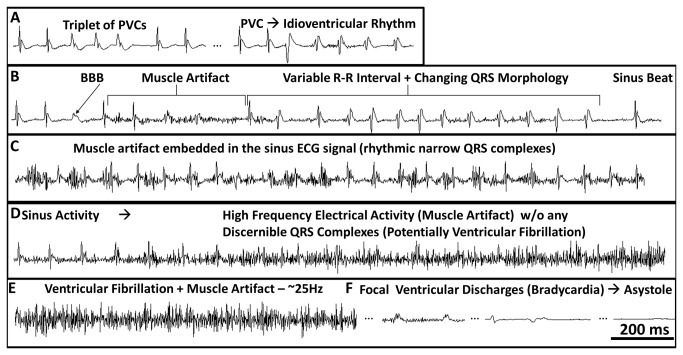
We observed a 2-fold increase in both transient and persistent Na(+) current density in isolated Dravet syndrome ventricular myocytes that resulted from increased activity of a tetrodotoxin-resistant Na(+) current, likely Nav1.5. Dravet syndrome myocytes exhibited increased excitability, action potential duration prolongation, and triggered activity. Continuous radiotelemetric ECG recordings showed QT prolongation, ventricular ectopic foci, idioventricular rhythms, beat-to-beat variability, ventricular fibrillation, and focal bradycardia. Spontaneous deaths were recorded in 2 DS mice, and a third became moribund and required euthanasia.
These data from single cell and whole animal experiments suggest that altered cardiac electrical function in Dravet syndrome may contribute to the susceptibility for arrhythmogenesis and SUDEP. These mechanistic insights may lead to critical risk assessment and intervention in human patients.
Dravet 综合征是一种严重的儿童难治性癫痫,其发病率较高,易发生 SUDEP:癫痫猝死。心律失常是某些 SUDEP 病例的一个可能原因,但 Dravet 综合征中心律失常的易感性和潜在机制尚不清楚。大多数 Dravet 综合征患者的 SCN1A 存在新生突变,导致单倍不足。我们提出,除了神经元过度兴奋外,SCN1A 单倍不足还会改变心脏电功能并产生心律失常,为 SUDEP 提供了一个潜在的机制。
使用表达人类 Dravet 综合征突变的 SCN1A-R1407X 杂合敲入鼠(出生后第 15-21 天)来研究可能的心脏表型。进行了单细胞电生理学和体内心电图(ECG)记录的组合。
我们观察到分离的 Dravet 综合征心室肌细胞中的瞬时和持续 Na(+)电流密度增加了 2 倍,这是由于河豚毒素抗性 Na(+)电流(可能是 Nav1.5)的活性增加所致。Dravet 综合征肌细胞表现出兴奋性增加、动作电位持续时间延长和触发活动。连续放射遥测 ECG 记录显示 QT 延长、室性异位灶、室性自主节律、心跳间变异性、心室颤动和局灶性心动过缓。2 只 DS 小鼠记录到自发性死亡,第 3 只小鼠变得病危,需要安乐死。
单细胞和整体动物实验的数据表明,Dravet 综合征中心脏电功能的改变可能导致心律失常易感性和 SUDEP。这些机制上的见解可能会导致对人类患者进行关键的风险评估和干预。