Cell. 2013 Nov 7;155(4):765-77. doi: 10.1016/j.cell.2013.09.058.
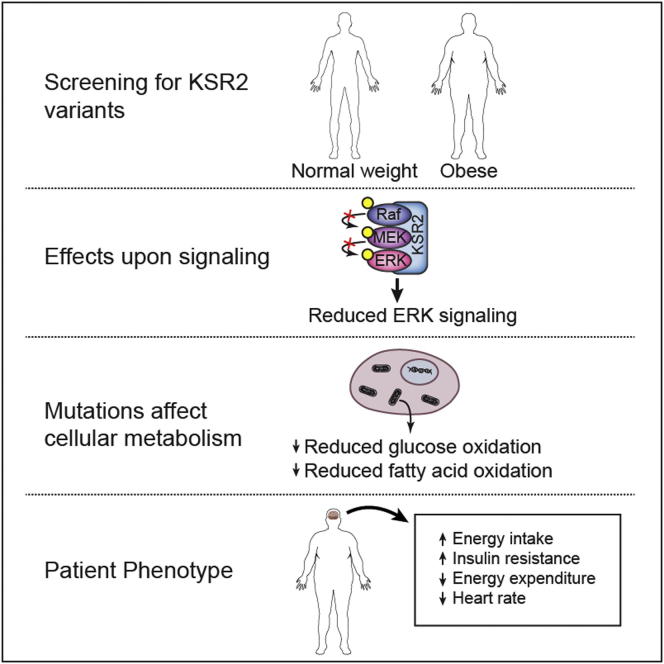
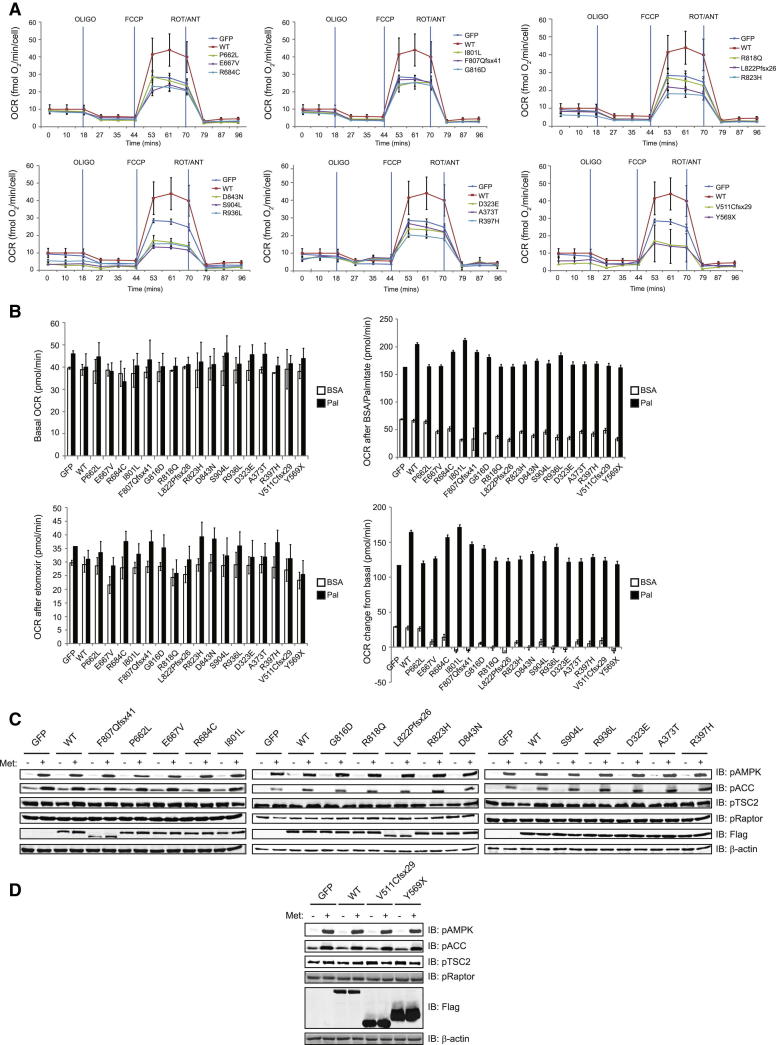
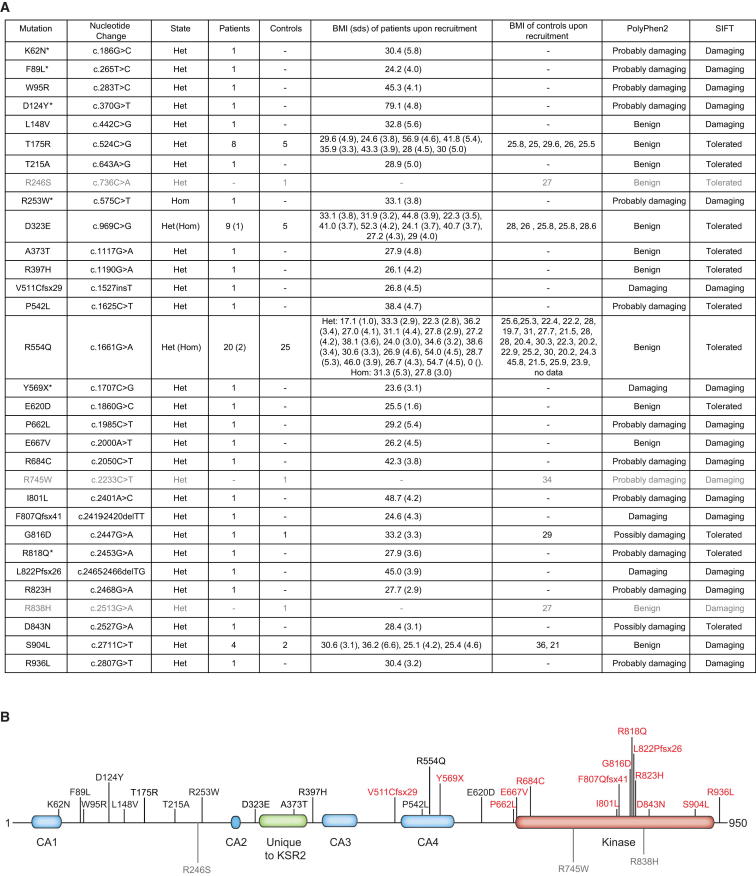
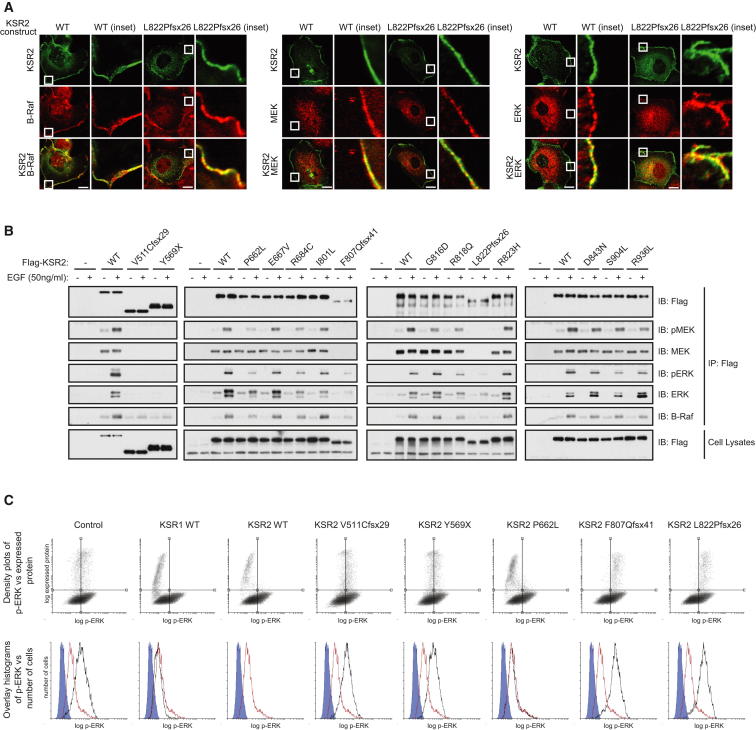
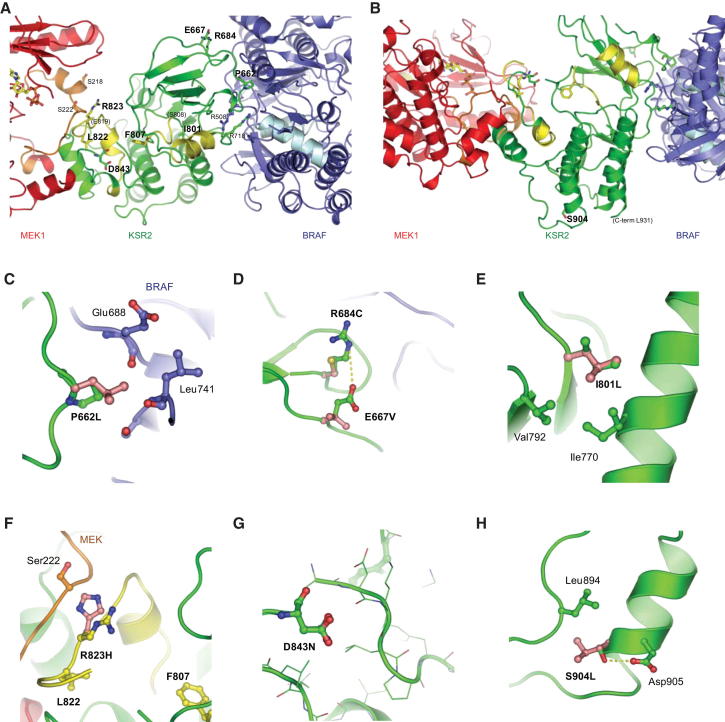
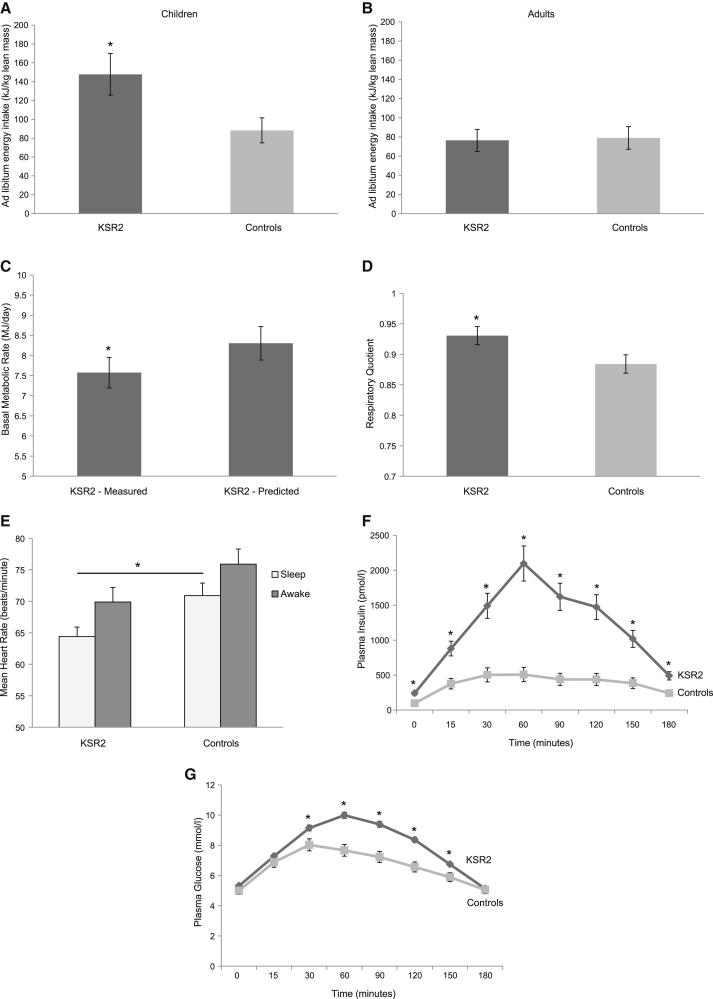
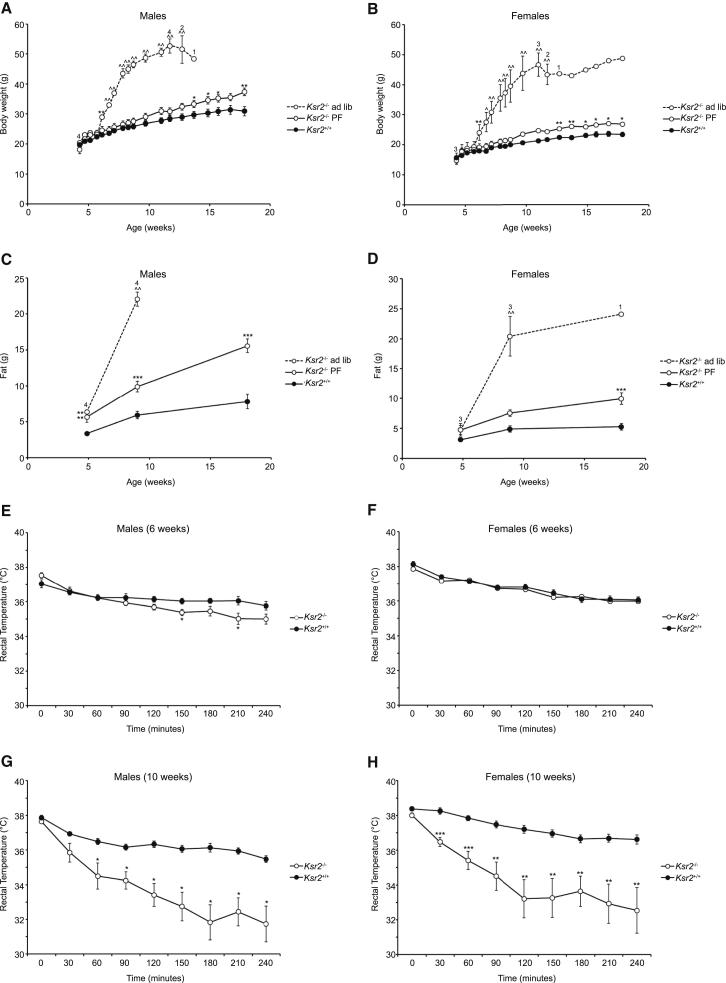
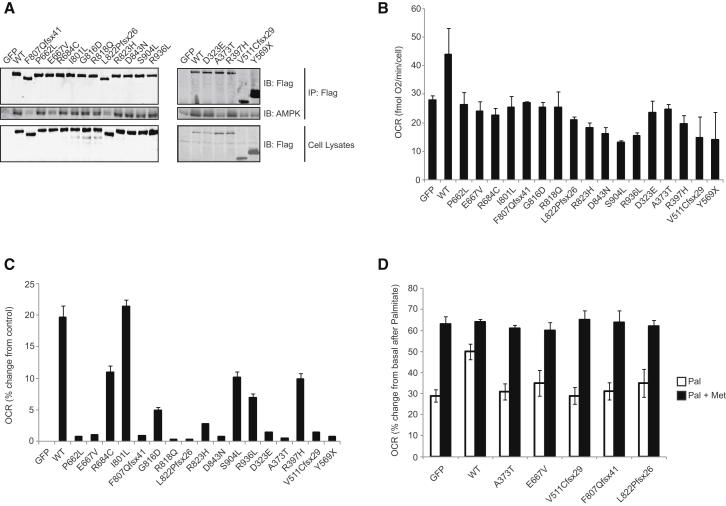
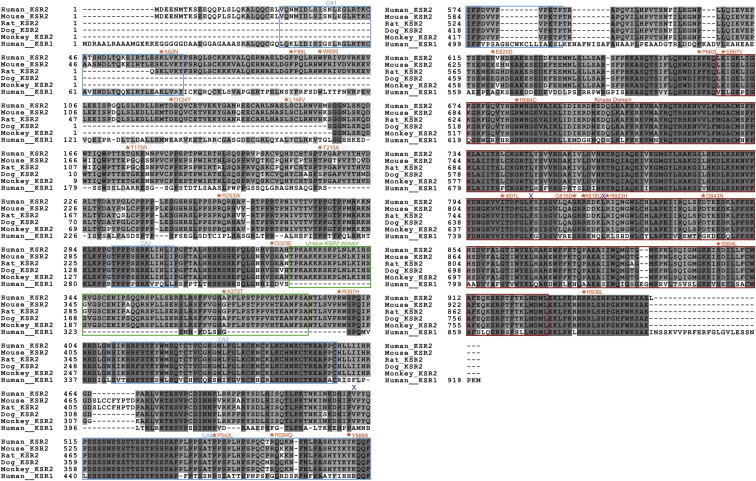
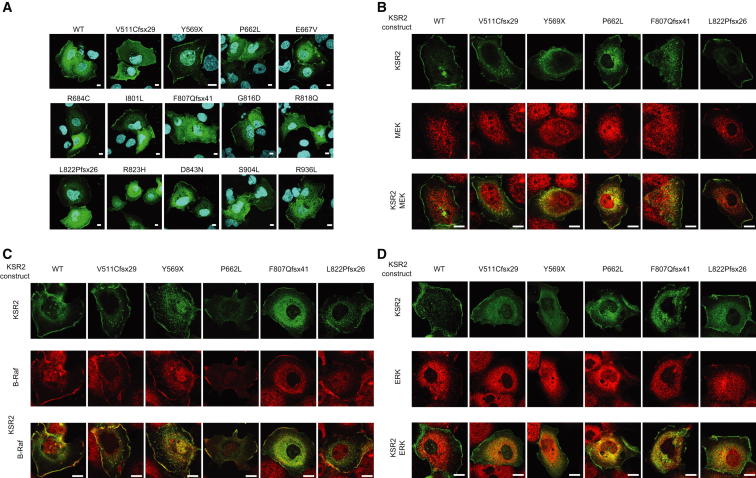
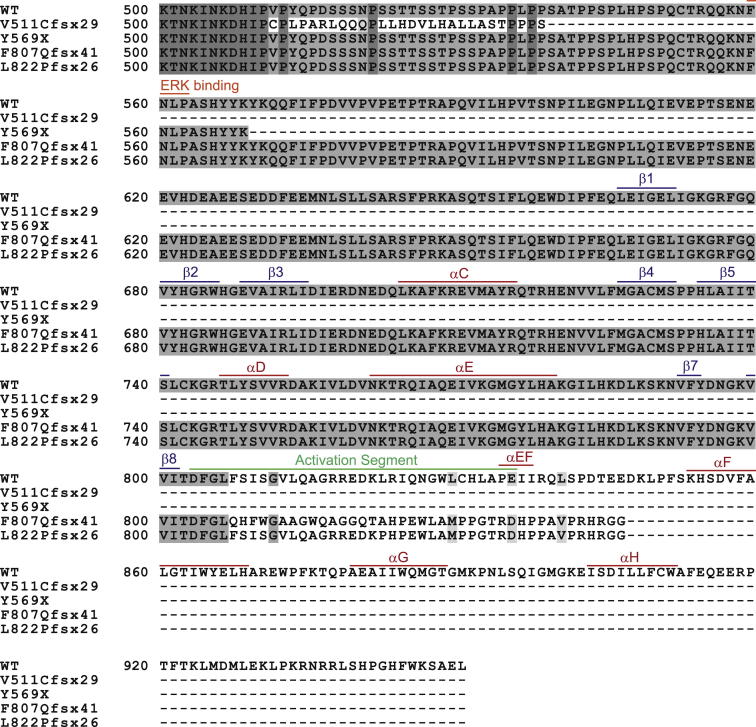
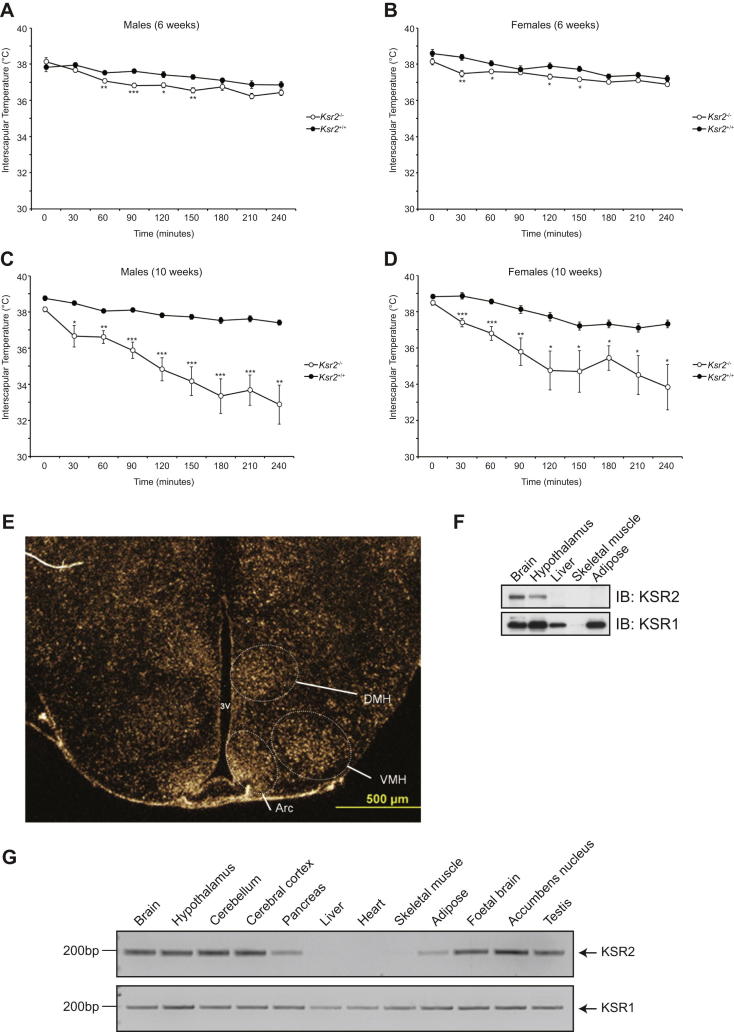
Kinase suppressor of Ras 2 (KSR2) is an intracellular scaffolding protein involved in multiple signaling pathways. Targeted deletion of Ksr2 leads to obesity in mice, suggesting a role in energy homeostasis. We explored the role of KSR2 in humans by sequencing 2,101 individuals with severe early-onset obesity and 1,536 controls. We identified multiple rare variants in KSR2 that disrupt signaling through the Raf-MEKERK pathway and impair cellular fatty acid oxidation and glucose oxidation in transfected cells; effects that can be ameliorated by the commonly prescribed antidiabetic drug, metformin. Mutation carriers exhibit hyperphagia in childhood, low heart rate, reduced basal metabolic rate and severe insulin resistance. These data establish KSR2 as an important regulator of energy intake, energy expenditure, and substrate utilization in humans. Modulation of KSR2-mediated effects may represent a novel therapeutic strategy for obesity and type 2 diabetes.
Ras 激酶抑制蛋白 2(KSR2)是一种参与多种信号通路的细胞内支架蛋白。Ksr2 的靶向缺失会导致小鼠肥胖,表明其在能量平衡中发挥作用。我们通过对 2101 名患有严重早发性肥胖症的个体和 1536 名对照者进行测序,研究了 KSR2 在人类中的作用。我们在 KSR2 中发现了多个罕见的变异,这些变异会破坏 Raf-MEKERK 通路的信号传递,并损害转染细胞中的脂肪酸氧化和葡萄糖氧化;这些效应可以通过常用的抗糖尿病药物二甲双胍来改善。突变携带者在儿童时期表现出多食、低心率、基础代谢率降低和严重的胰岛素抵抗。这些数据确立了 KSR2 作为人类能量摄入、能量消耗和底物利用的重要调节剂。调节 KSR2 介导的效应可能代表肥胖和 2 型糖尿病的一种新的治疗策略。