Das Sabyasachi, Chattopadhyay Subhrajyoti, Bose Payel
Department of Anaesthesiology, North Bengal Medical College, Darjeeling, West Bengal, India.
Indian J Anaesth. 2013 Sep;57(5):489-99. doi: 10.4103/0019-5049.120145.
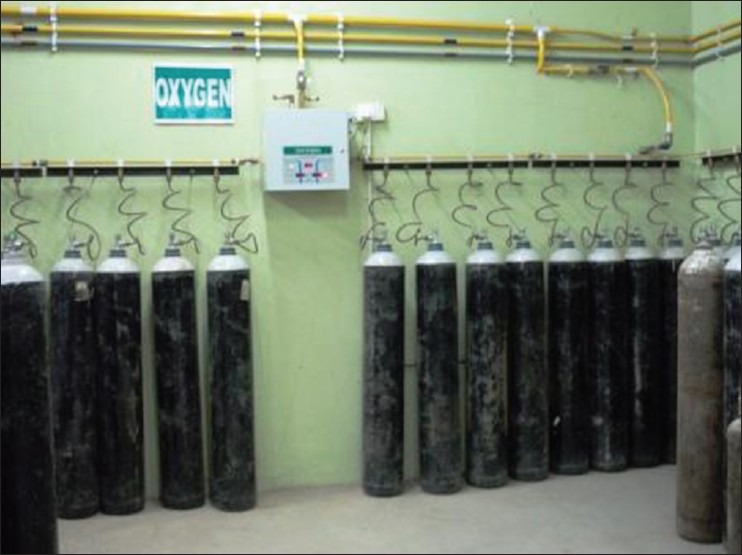
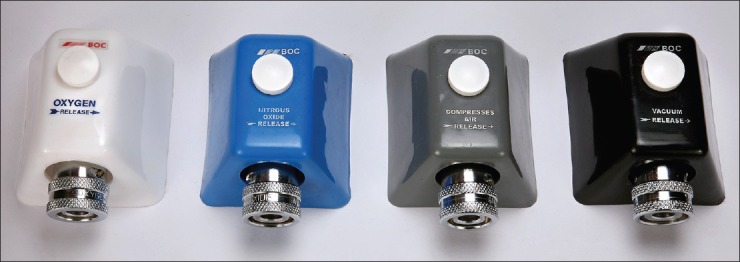
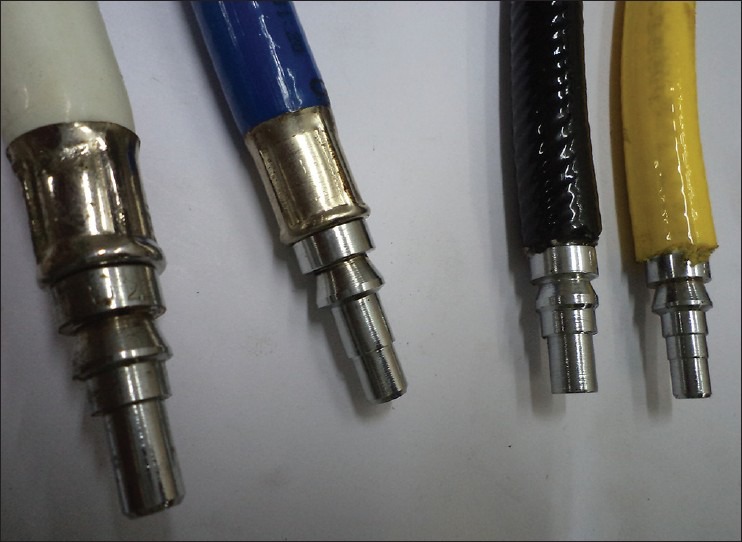
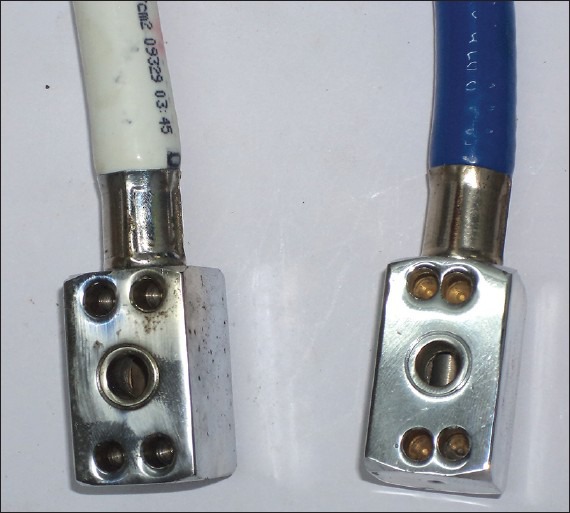
The anaesthesia gas supply system is designed to provide a safe, cost-effective and convenient system for the delivery of medical gases at the point of-use. The doctrine of the anaesthesia gas supply system is based on four essential principles: Identity, continuity, adequacy and quality. Knowledge about gas supply system is an integral component of safe anaesthetic practice. Mishaps involving the malfunction or misuse of medical gas supply to operating theatres have cost many lives. The medical gases used in anaesthesia and intensive care are oxygen, nitrous oxide, medical air, entonox, carbon dioxide and heliox. Oxygen is one of the most widely used gases for life-support and respiratory therapy besides anaesthetic procedures. In this article, an effort is made to describe the production, storage and delivery of anaesthetic gases. The design of anaesthesia equipment must take into account the local conditions such as climate, demand and power supply. The operational policy of the gas supply system should have a backup plan to cater to the emergency need of the hospital, in the event of the loss of the primary source of supply.
麻醉气体供应系统旨在提供一个安全、经济高效且便捷的系统,以便在使用点输送医用气体。麻醉气体供应系统的原则基于四个基本要素:标识、连续性、充足性和质量。有关气体供应系统的知识是安全麻醉实践不可或缺的组成部分。涉及手术室医用气体供应故障或误用的事故已夺去了许多生命。麻醉和重症监护中使用的医用气体有氧气、一氧化二氮、医用空气、恩多诺克斯(笑气和氧气的混合气)、二氧化碳和氦氧混合气。除麻醉程序外,氧气是生命支持和呼吸治疗中使用最广泛的气体之一。本文旨在描述麻醉气体的生产、储存和输送。麻醉设备的设计必须考虑当地条件,如气候、需求和电源供应。气体供应系统的运营政策应制定备用计划,以满足医院在主要供应源丧失时的紧急需求。