Srivastava Uma
Department of Anaesthesia and Critical Care, S N Medical College, Agra, Uttar Pradesh, India.
Indian J Anaesth. 2013 Sep;57(5):500-6. doi: 10.4103/0019-5049.120147.
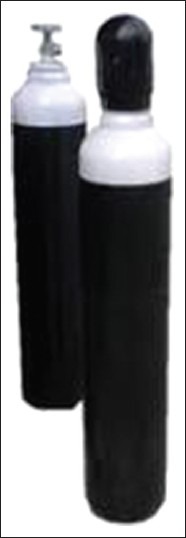
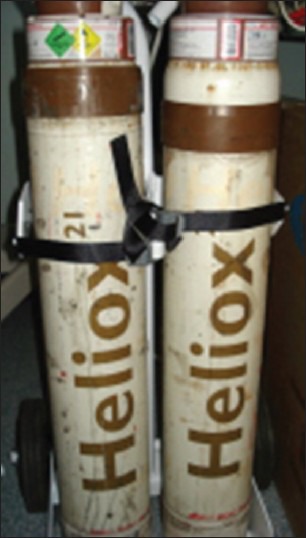
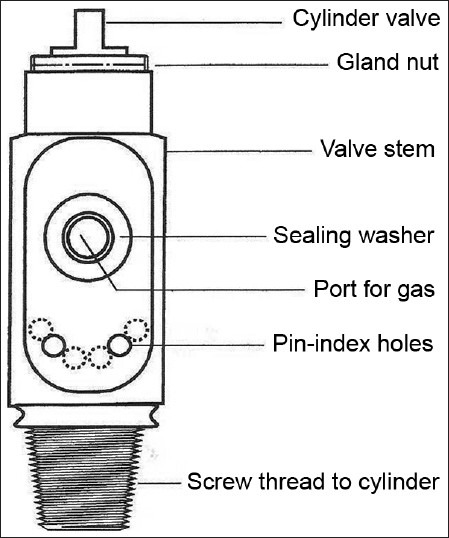
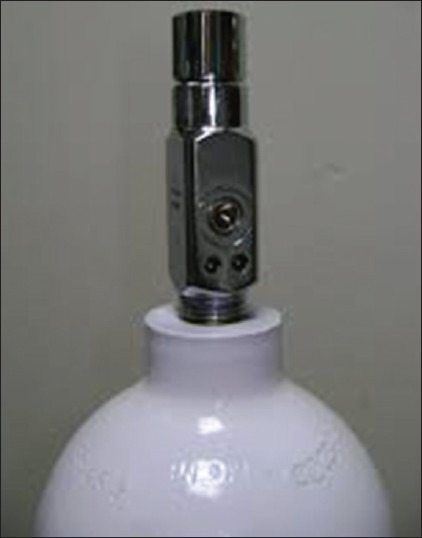
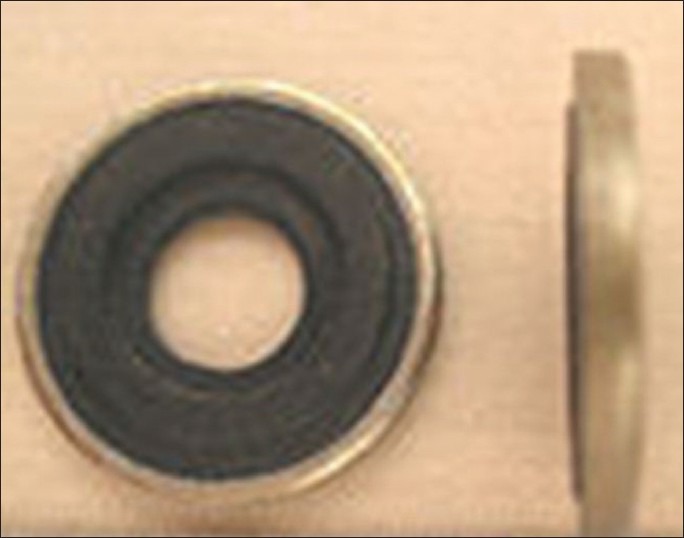
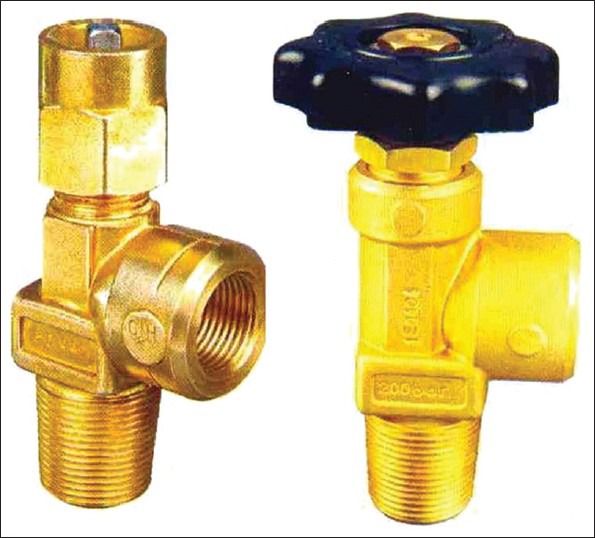
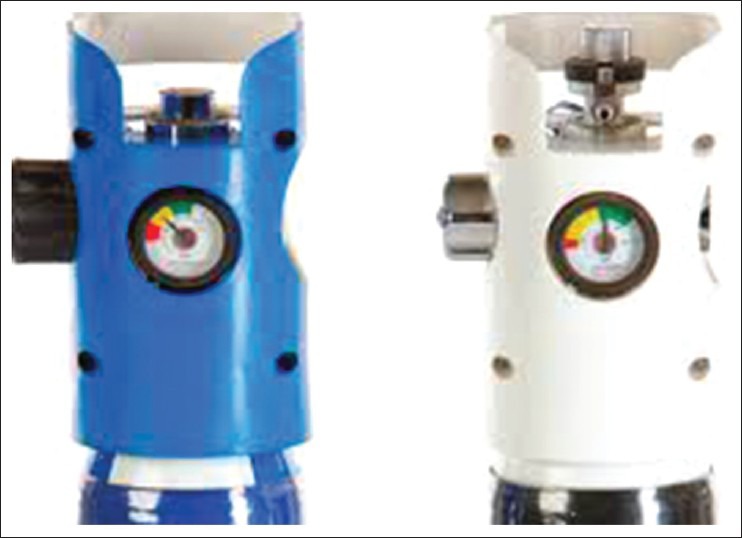
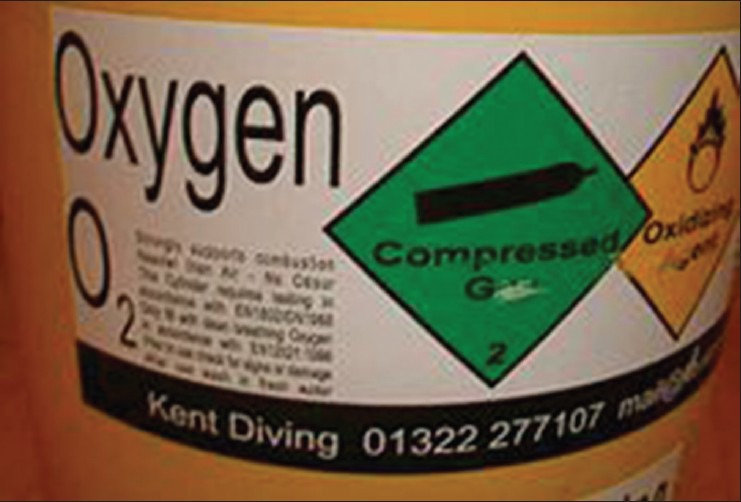
Invention of oxygen cylinder was one of the most important developments in the field of medical practice. Oxygen and other gases were compressed and stored at high pressure in seamless containers constructed from hand-forged steel in1880. Materials technology has continued to evolve and now medical gas cylinders are generally made of steel alloys or aluminum. The filling pressure as well as capacity has increased considerably while at the same time the weight of cylinders has reduced. Today oxygen cylinder of equivalent size holds a third more oxygen but weighs about 20 kg less. The cylinders are of varying sizes and are color coded. They are tested at regular intervals by the manufacturer using hydraulic, impact, and tensile tests. The top end of the cylinder is fitted with a valve with a variety of number and markings stamped on it. Common valve types include: Pin index valve, bull nose, hand wheel and integral valve. The type of valve varies with cylinder size. Small cylinders have a pin index valve while large have a bull nose type. Safety features in the cylinder are: Color coding, pin index, pressure relief device, Bodok seal, and label attached etc., Safety rules and guidelines must be followed during storage, installation and use of cylinders to ensure safety of patients, hospital personnel and the environment.
氧气瓶的发明是医学实践领域最重要的发展之一。1880年,氧气和其他气体被压缩并高压储存在由手工锻造的钢制成的无缝容器中。材料技术不断发展,现在医用气瓶一般由合金钢或铝制成。充装压力和容量大幅增加,同时气瓶重量减轻。如今,同等尺寸的氧气瓶氧气储量多三分之一,但重量轻约20千克。气瓶有不同尺寸且有颜色标识。制造商定期对其进行水压、冲击和拉伸测试。气瓶顶端装有阀门,上面印有各种数字和标记。常见的阀门类型包括:销孔索引阀、牛头阀、手轮阀和整体阀。阀门类型随气瓶尺寸而异。小气瓶有销孔索引阀,大气瓶有牛头阀。气瓶的安全特性包括:颜色标识、销孔索引、泄压装置、博多克密封和附着标签等。在气瓶储存、安装和使用过程中必须遵循安全规则和指南,以确保患者、医院工作人员和环境的安全。