CRCNA-UMR Inserm U892-CNRS 6299-Institut de Recherche en Santé de l'Université de Nantes, Nantes 44007, France.
Int J Mol Sci. 2013 Nov 18;14(11):22678-96. doi: 10.3390/ijms141122678.
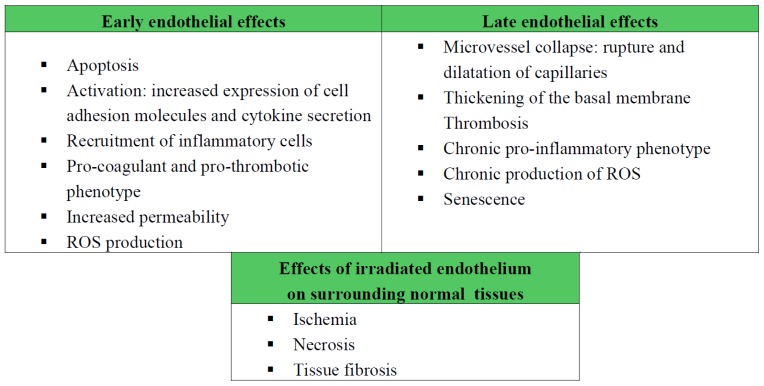
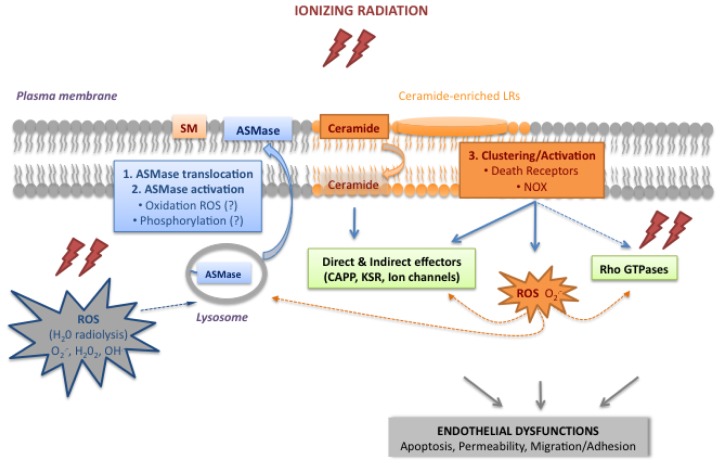
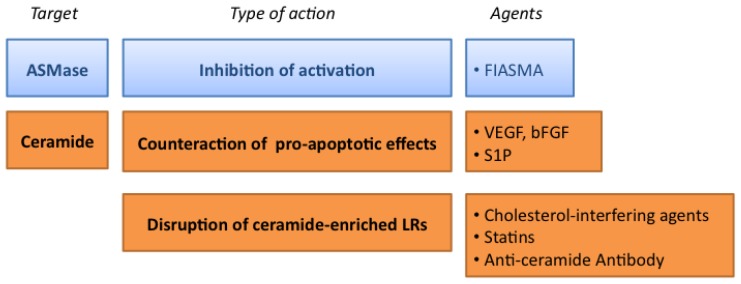
Tumor areas can now be very precisely delimited thanks to technical progress in imaging and ballistics. This has also led to the development of novel radiotherapy protocols, delivering higher doses of ionizing radiation directly to cancer cells. Despite this, radiation toxicity in healthy tissue remains a major issue, particularly with dose-escalation in these new protocols. Acute and late tissue damage following irradiation have both been linked to the endothelium irrigating normal tissues. The molecular mechanisms involved in the endothelial response to high doses of radiation are associated with signaling from the plasma membrane, mainly via the acid sphingomyelinase/ceramide pathway. This review describes this signaling pathway and discusses the relevance of targeting endothelial signaling to protect healthy tissues from the deleterious effects of high doses of radiation.
由于成像和弹道学方面的技术进步,现在可以非常精确地划定肿瘤区域。这也导致了新的放射治疗方案的发展,将更高剂量的电离辐射直接输送到癌细胞。尽管如此,健康组织的放射性毒性仍然是一个主要问题,特别是在这些新方案中剂量递增时。照射后急性和迟发性组织损伤都与滋养正常组织的内皮有关。内皮对高剂量辐射的反应所涉及的分子机制与来自质膜的信号有关,主要通过酸性鞘磷脂酶/神经酰胺途径。本文综述了该信号通路,并讨论了靶向内皮信号以保护健康组织免受高剂量辐射的有害影响的相关性。