1] Department of Genetics & Complex Diseases, Harvard School of Public Health, Boston, Massachusetts 02115, USA [2].
Nat Commun. 2013;4:2834. doi: 10.1038/ncomms3834.
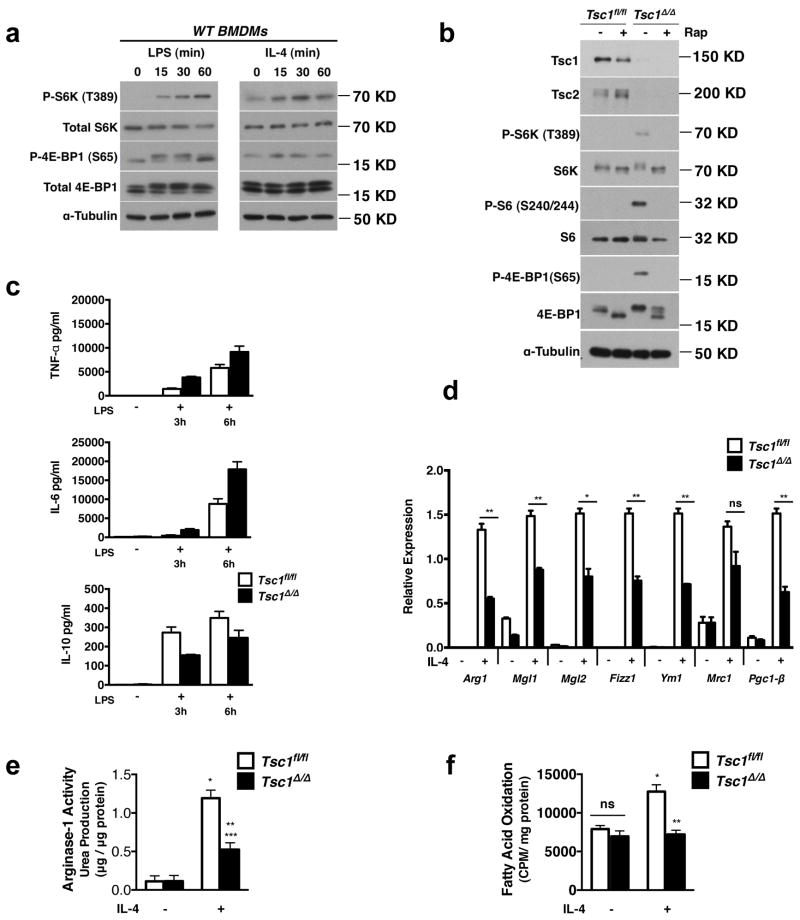
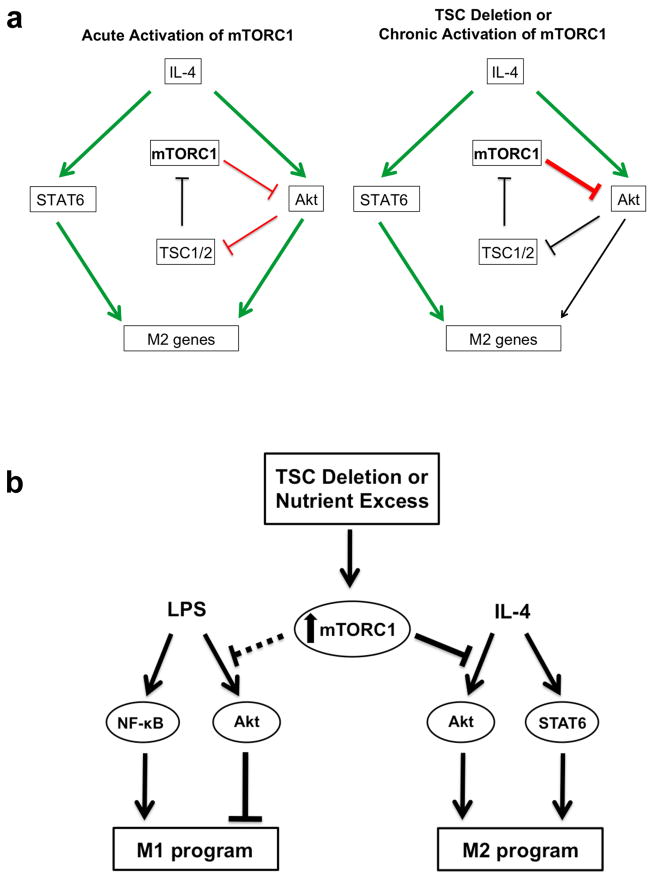
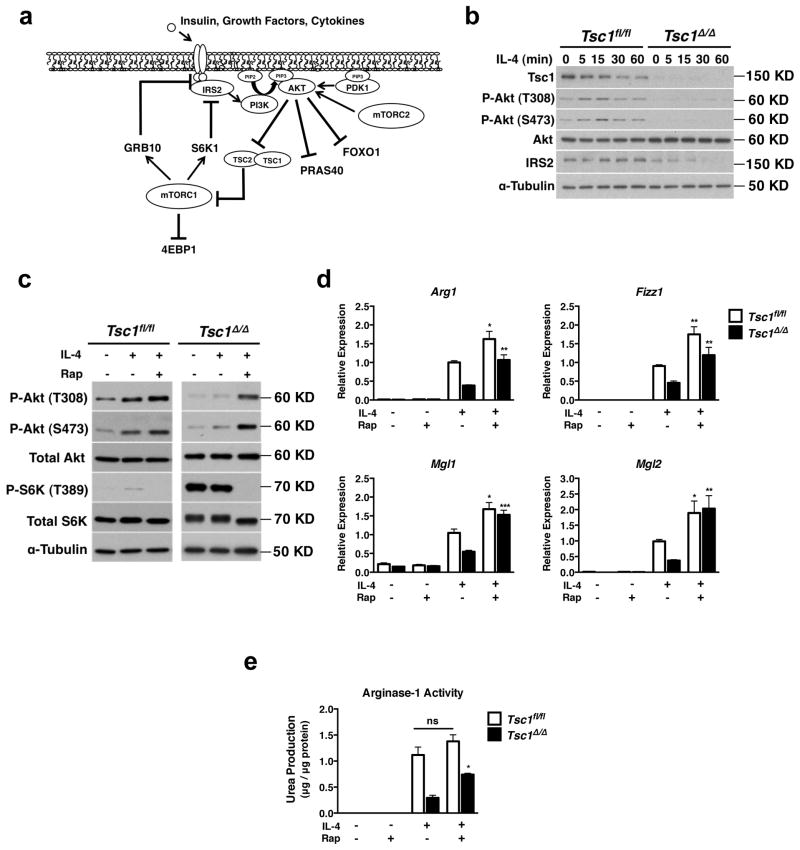
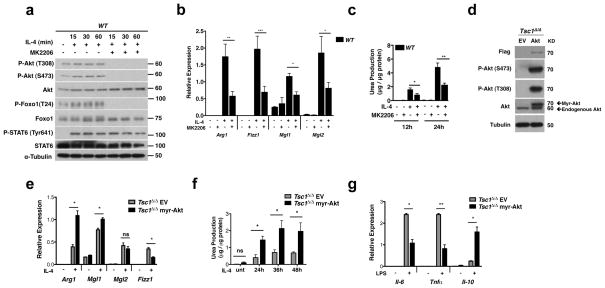
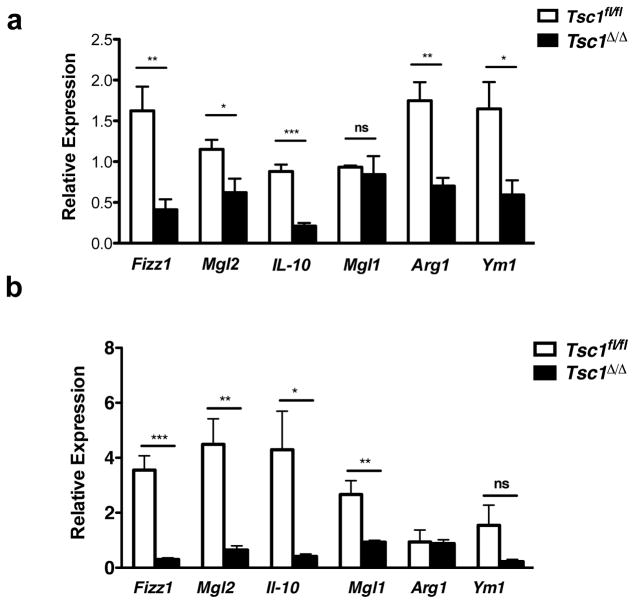
Macrophages are able to polarize to proinflammatory M1 or alternative M2 states with distinct phenotypes and physiological functions. How metabolic status regulates macrophage polarization remains not well understood, and here we examine the role of mTOR (mechanistic target of rapamycin), a central metabolic pathway that couples nutrient sensing to regulation of metabolic processes. Using a mouse model in which myeloid lineage-specific deletion of Tsc1 (Tsc1(Δ/Δ)) leads to constitutive mTOR complex 1 (mTORC1) activation, we find that Tsc1(Δ/Δ) macrophages are refractory to IL-4-induced M2 polarization, but produce increased inflammatory responses to proinflammatory stimuli. Moreover, mTORC1-mediated downregulation of Akt signalling critically contributes to defective polarization. These findings highlight a key role for the mTOR pathway in regulating macrophage polarization, and suggest how nutrient sensing and metabolic status could be 'hard-wired' to control of macrophage function, with broad implications for regulation of type 2 immunity, inflammation and allergy.
巨噬细胞能够极化为促炎 M1 或具有不同表型和生理功能的替代 M2 状态。代谢状态如何调节巨噬细胞极化仍不清楚,在这里我们研究了 mTOR(雷帕霉素的作用靶点)的作用,mTOR 是一种将营养感应与代谢过程调节相偶联的中央代谢途径。使用髓样谱系特异性缺失 Tsc1(Tsc1(Δ/Δ))导致组成型 mTOR 复合物 1(mTORC1)激活的小鼠模型,我们发现 Tsc1(Δ/Δ)巨噬细胞对 IL-4 诱导的 M2 极化具有抗性,但对促炎刺激产生增加的炎症反应。此外,mTORC1 介导的 Akt 信号转导下调对极化缺陷至关重要。这些发现强调了 mTOR 途径在调节巨噬细胞极化中的关键作用,并提示营养感应和代谢状态如何“硬连线”控制巨噬细胞功能,这对 2 型免疫、炎症和过敏的调节具有广泛的意义。