Department of Experimental Medicine, University of British Columbia, Vancouver, British Columbia, Canada.
Department of Pediatrics, University of British Columbia, Vancouver, British Columbia, Canada.
J Allergy Clin Immunol. 2014 Mar;133(3):818-26.e4. doi: 10.1016/j.jaci.2013.09.038. Epub 2013 Nov 28.
Susceptibility to infection as well as response to vaccination varies among populations. To date, the underlying mechanisms responsible for these clinical observations have not been fully delineated. Because innate immunity instructs adaptive immunity, we hypothesized that differences between populations in innate immune responses may represent a mechanistic link to variation in susceptibility to infection or response to vaccination.
Determine whether differences in innate immune responses exist among infants from different continents of the world.
We determined the innate cytokine response following pattern recognition receptor (PRR) stimulation of whole blood from 2-year-old infants across 4 continents (Africa, North America, South America, and Europe).
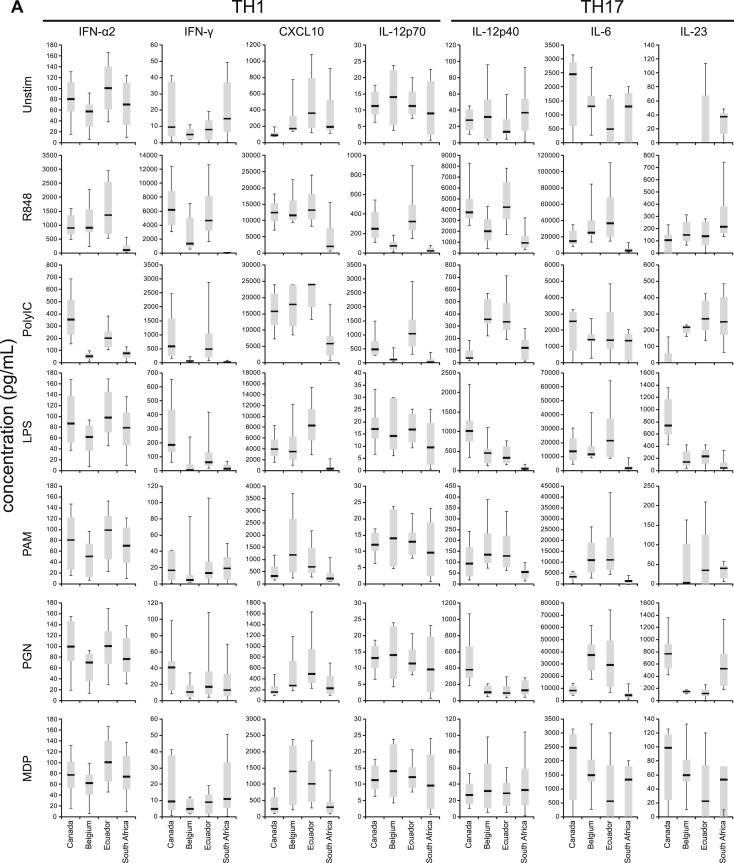
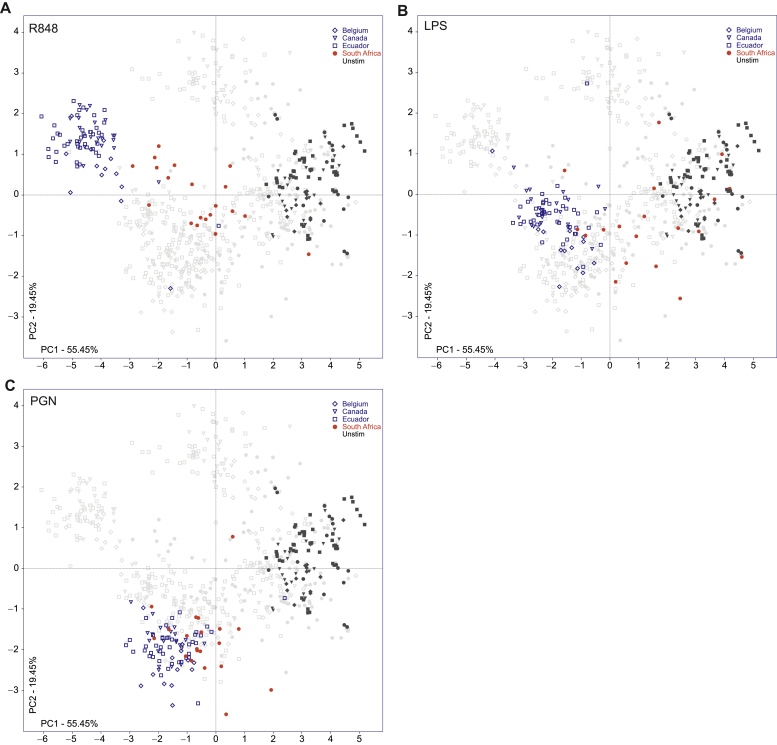
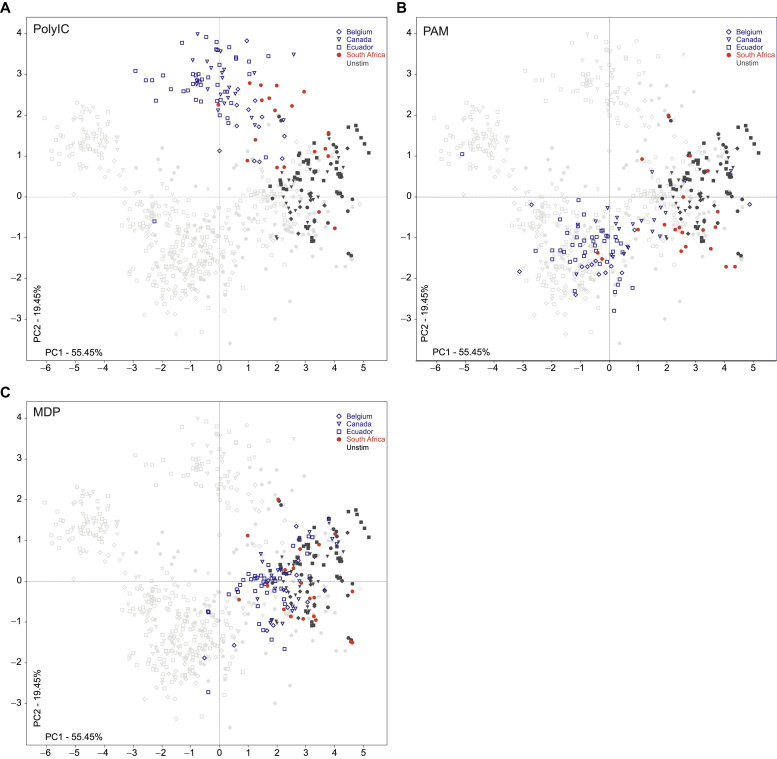
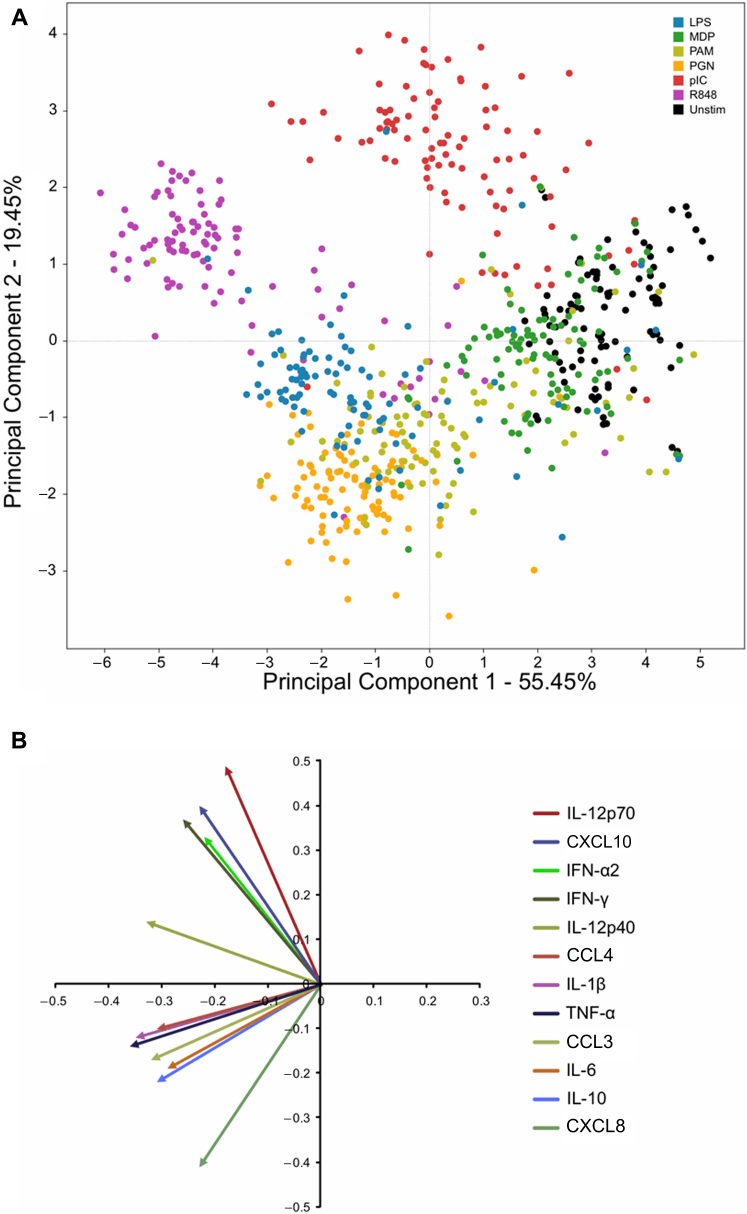
We found that despite the many possible genetic and environmental exposure differences in infants across 4 continents, innate cytokine responses were similar for infants from North America, South America, and Europe. However, cells from South African infants secreted significantly lower levels of cytokines than did cells from infants from the 3 other sites, and did so following stimulation of extracellular and endosomal but not cytosolic PRRs.
Substantial differences in innate cytokine responses to PRR stimulation exist among different populations of infants that could not have been predicted. Delineating the underlying mechanism(s) for these differences will not only aid in improving vaccine-mediated protection but possibly also provide clues for the susceptibility to infection in different regions of the world.
感染易感性以及疫苗接种反应在不同人群中存在差异。迄今为止,导致这些临床观察结果的潜在机制尚未完全阐明。由于先天免疫指导适应性免疫,我们假设人群之间先天免疫反应的差异可能是导致感染易感性或疫苗接种反应差异的一种机制联系。
确定来自世界不同大陆的婴儿之间是否存在先天免疫反应的差异。
我们测定了来自 4 个大陆(非洲、北美洲、南美洲和欧洲)的 2 岁婴儿全血在模式识别受体(PRR)刺激后的先天细胞因子反应。
尽管来自 4 个大陆的婴儿可能存在许多潜在的遗传和环境暴露差异,但来自北美洲、南美洲和欧洲的婴儿的先天细胞因子反应相似。然而,与来自其他 3 个地点的婴儿的细胞相比,南非婴儿的细胞在胞外和内体 PRR 刺激后分泌的细胞因子水平显著降低,但在细胞质 PRR 刺激后则没有。
不同人群的先天细胞因子对 PRR 刺激的反应存在显著差异,这些差异是无法预测的。阐明这些差异的潜在机制不仅有助于改善疫苗介导的保护作用,还可能为世界不同地区的感染易感性提供线索。