Department of Experimental Medicine, University of British Columbia, Vancouver, Canada.
Telethon Kids Institute, Perth, Australia.
mBio. 2021 Jan 12;12(1):e03079-20. doi: 10.1128/mBio.03079-20.
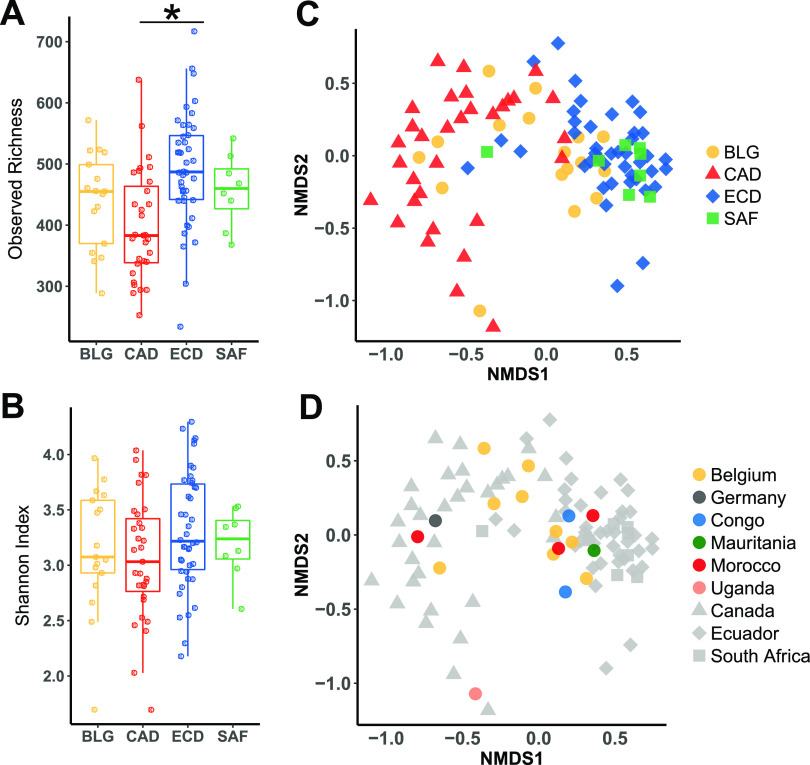
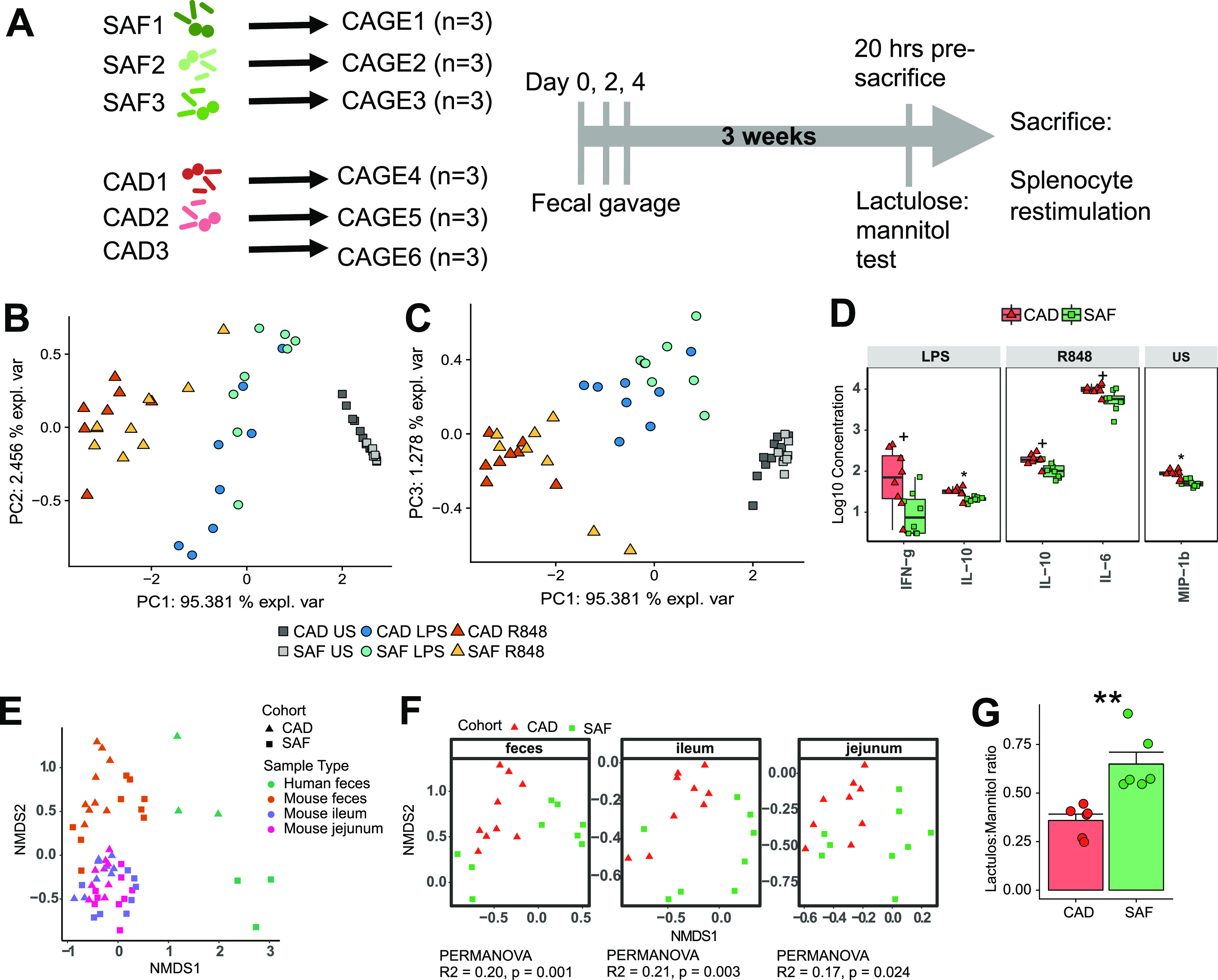
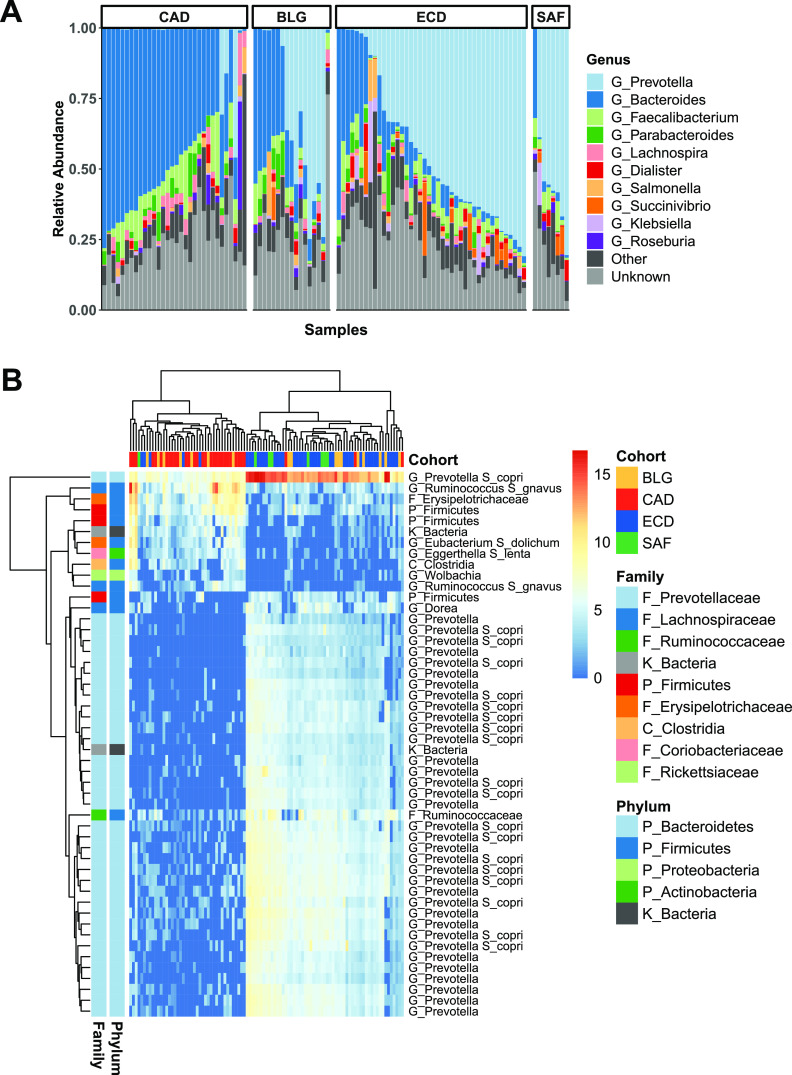
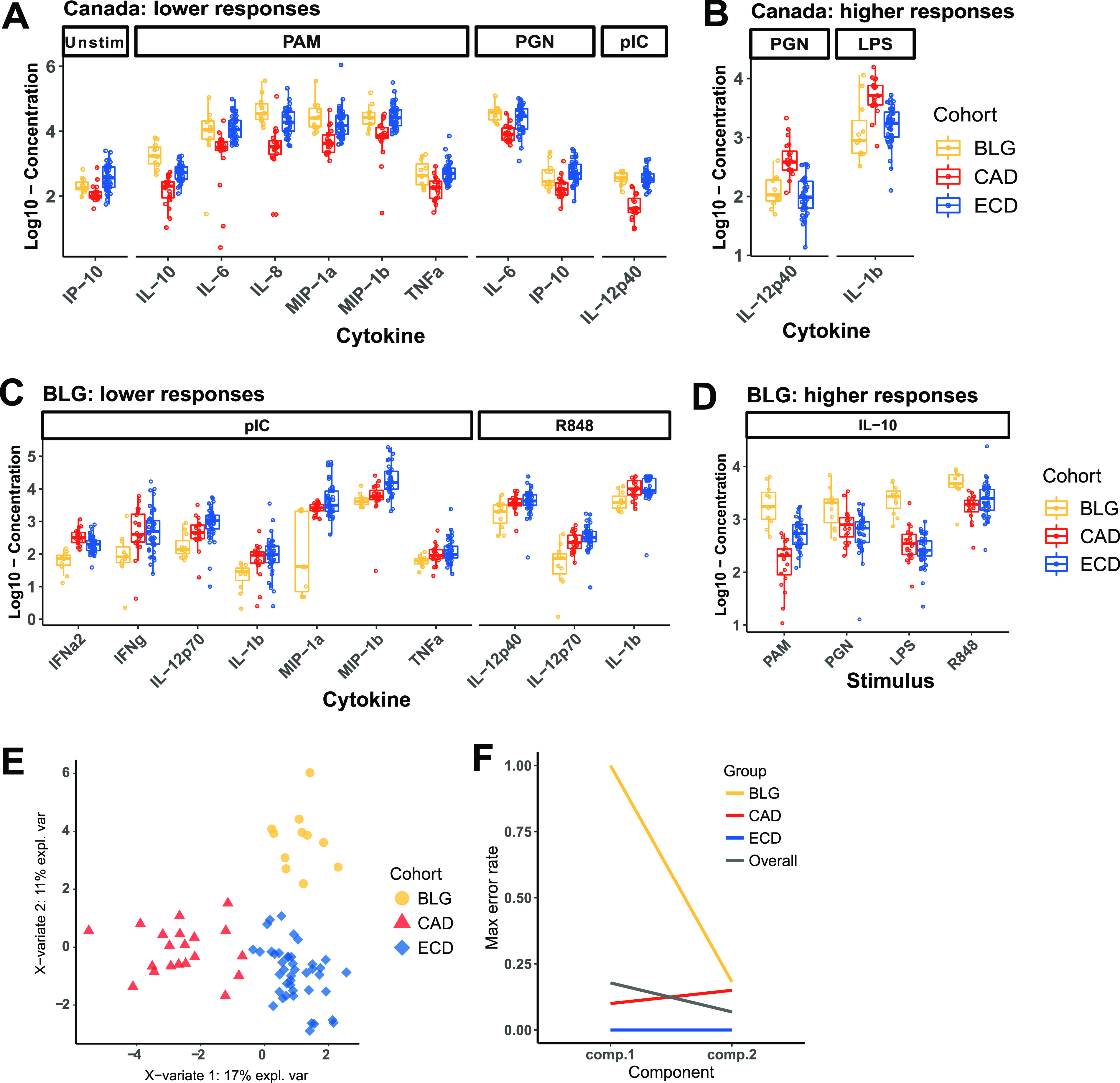
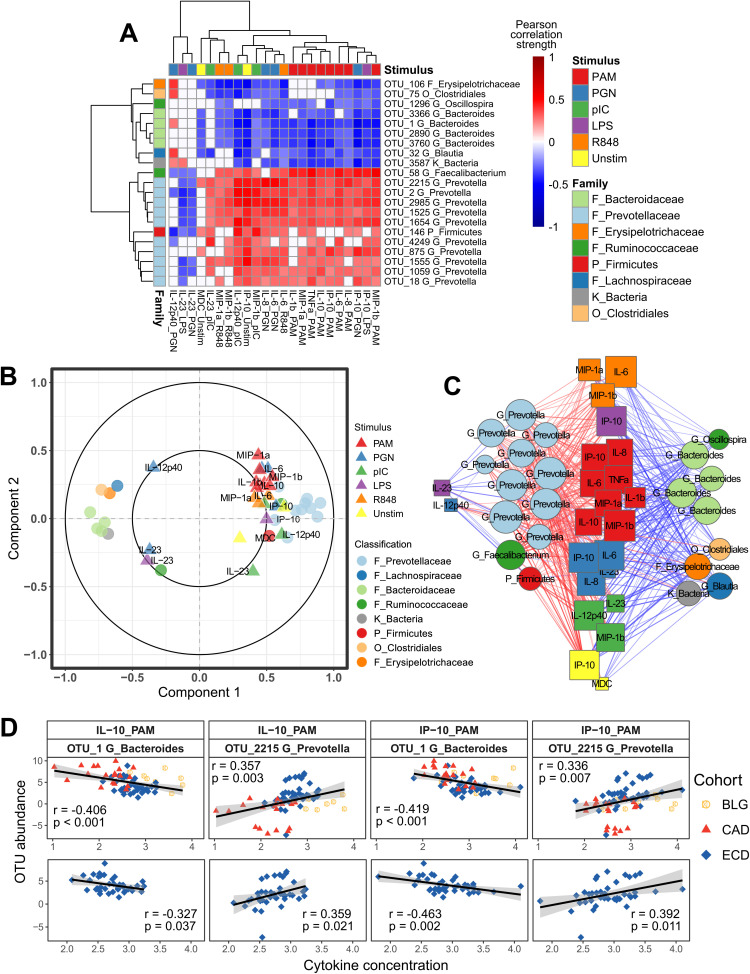
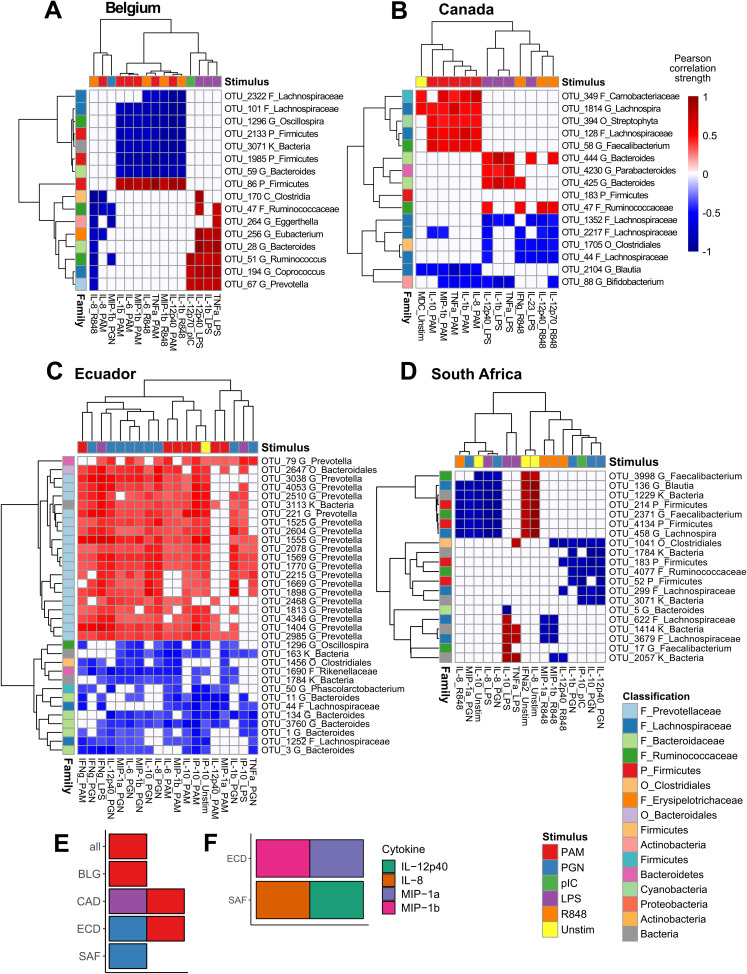
The gut microbiome is a well-recognized modulator of host immunity, and its compositions differ between geographically separated human populations. Systemic innate immune responses to microbial derivatives also differ between geographically distinct human populations. However, the potential role of the microbiome in mediating geographically varied immune responses is unexplored. We here applied 16S amplicon sequencing to profile the stool microbiome and, in parallel, measured whole-blood innate immune cytokine responses to several pattern recognition receptor (PRR) agonists among 2-year-old children across biogeographically diverse settings. Microbiomes differed mainly between high- and low-resource environments and were not strongly associated with other demographic factors. We found strong correlations between responses to Toll-like receptor 2 (TLR2) and relative abundances of and populations, shared among Canadian and Ecuadorean children. Additional correlations between responses to TLR2 and bacterial populations were specific to individual geographic cohorts. As a proof of concept, we gavaged germfree mice with human donor stools and found murine splenocyte responses to TLR stimulation were consistent with responses of the corresponding human donor populations. This study identified differences in immune responses correlating to gut microbiomes across biogeographically diverse settings and evaluated biological plausibility using a mouse model. This insight paves the way to guide optimization of population-specific interventions aimed to improve child health outcomes. Both the gut microbiome and innate immunity are known to differ across biogeographically diverse human populations. The gut microbiome has been shown to directly influence systemic immunity in animal models. With this, modulation of the gut microbiome represents an attractive avenue to improve child health outcomes associated with altered immunity using population-specific approaches. However, there are very scarce data available to determine which members of the gut microbiome are associated with specific immune responses and how these differ around the world, creating a substantial barrier to rationally designing such interventions. This study addressed this knowledge gap by identifying relationships between distinct bacterial taxa and cytokine responses to specific microbial agonists across highly diverse settings. Furthermore, we provide evidence that immunomodulatory effects of region-specific stool microbiomes can be partially recapitulated in germfree mice. This is an important contribution toward improving global child health by targeting the gut microbiome.
肠道微生物组是宿主免疫的公认调节剂,其组成在地理位置不同的人群中有所不同。对微生物衍生物的系统固有免疫反应也在地理位置不同的人群中有所不同。然而,微生物组在介导地理上不同的免疫反应中的潜在作用尚未得到探索。我们在这里应用 16S 扩增子测序来描绘粪便微生物组,并同时测量了来自不同地理位置的 2 岁儿童对几种模式识别受体(PRR)激动剂的全血固有免疫细胞因子反应。微生物组主要在高资源和低资源环境之间存在差异,并且与其他人口统计学因素没有很强的关联。我们发现,加拿大和厄瓜多尔儿童之间存在 Toll 样受体 2(TLR2)反应与 和 种群相对丰度之间的强烈相关性。TLR2 反应与细菌种群之间的其他相关性是特定于个别地理队列的。作为概念验证,我们用人类供体粪便灌胃无菌小鼠,发现小鼠脾细胞对 TLR 刺激的反应与相应的人类供体群体的反应一致。本研究在具有生物地理多样性的环境中鉴定了与肠道微生物组相关的免疫反应差异,并使用小鼠模型评估了生物学合理性。这一发现为指导旨在改善儿童健康结果的特定人群干预措施的优化铺平了道路。肠道微生物组和固有免疫在具有生物地理多样性的人类群体中已知存在差异。肠道微生物组已被证明可直接影响动物模型中的系统性免疫。因此,调节肠道微生物组代表了一种有吸引力的途径,可以使用特定于人群的方法来改善与免疫改变相关的儿童健康结果。然而,目前可用的数据非常稀缺,无法确定肠道微生物组的哪些成员与特定的免疫反应相关,以及这些反应在世界各地如何不同,这给合理设计此类干预措施带来了巨大障碍。本研究通过在高度多样化的环境中识别特定细菌类群与特定微生物激动剂的细胞因子反应之间的关系来解决这一知识空白。此外,我们提供了证据表明,特定地区粪便微生物组的免疫调节作用可以在无菌小鼠中部分再现。这是通过靶向肠道微生物组来改善全球儿童健康的重要贡献。