School of Environmental Systems Engineering, University of Western Australia, Perth, Western Australia, Australia ; Oceans Institute, University of Western Australia, Perth, Western Australia, Australia ; Wealth from Oceans Flagship, Commonwealth Scientific and Industrial Research Organisation, Floreat, Western Australia, Australia.
PLoS One. 2013 Nov 27;8(11):e80466. doi: 10.1371/journal.pone.0080466. eCollection 2013.
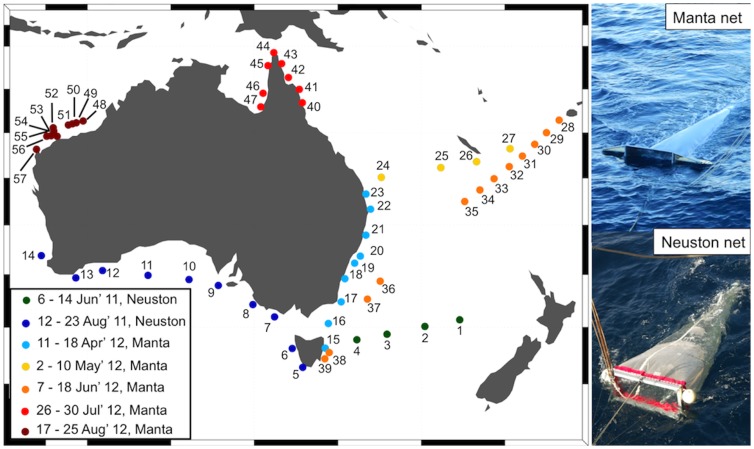
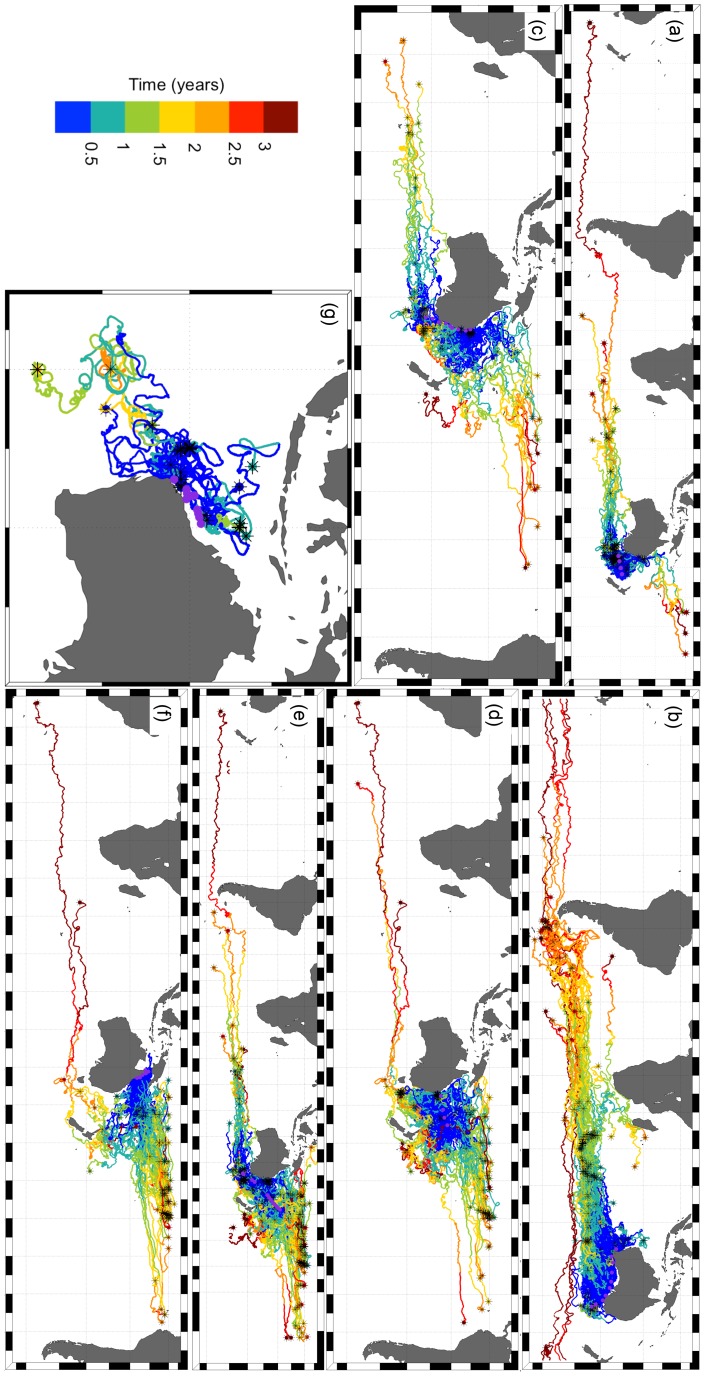
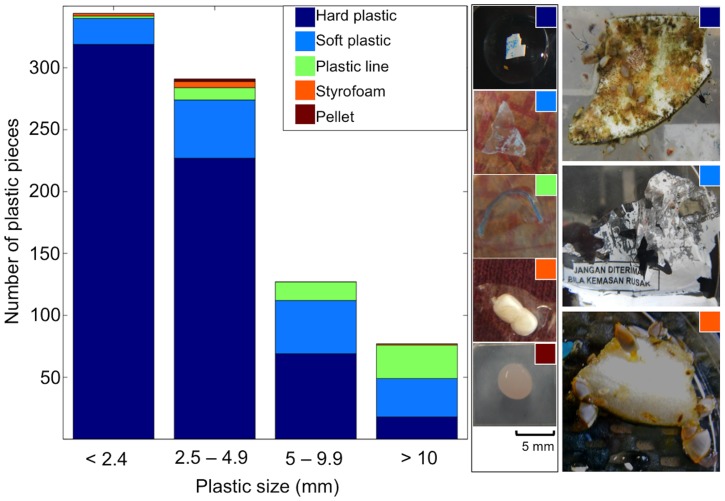
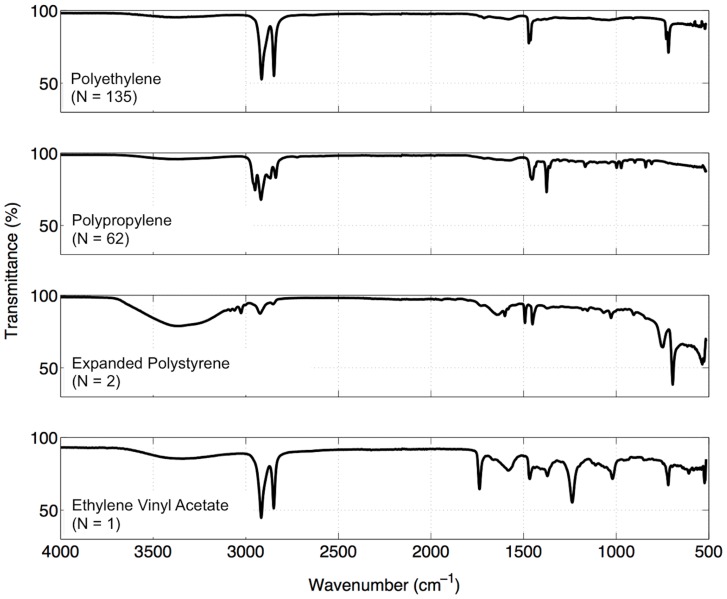
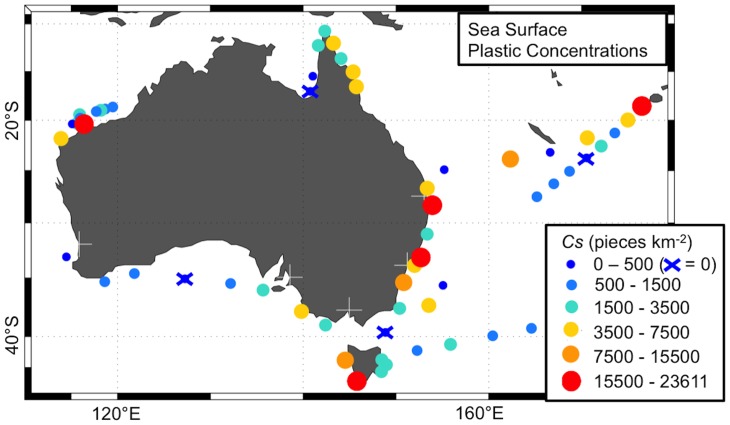
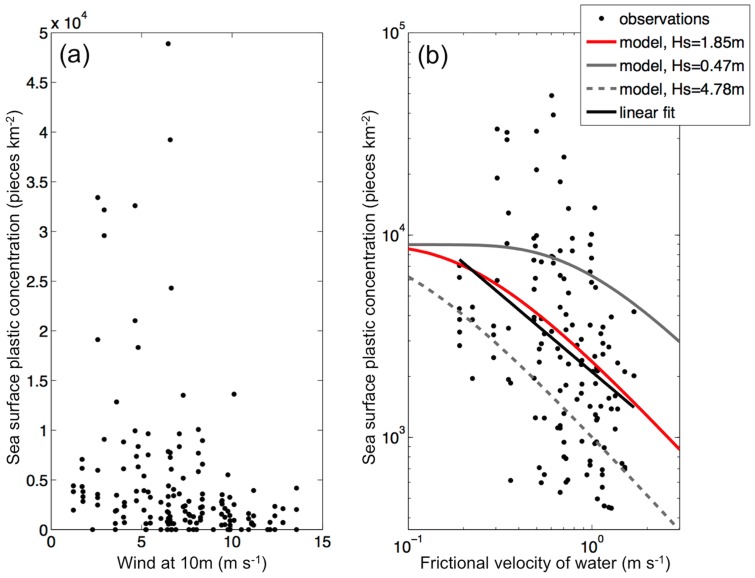
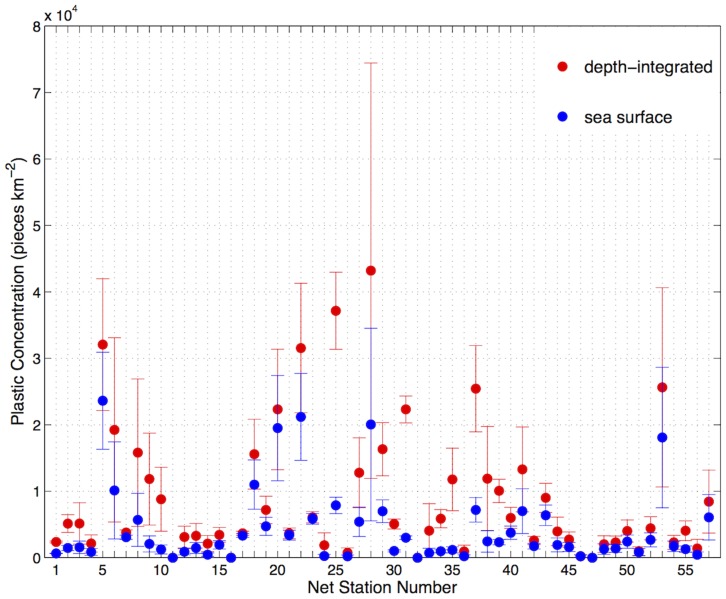
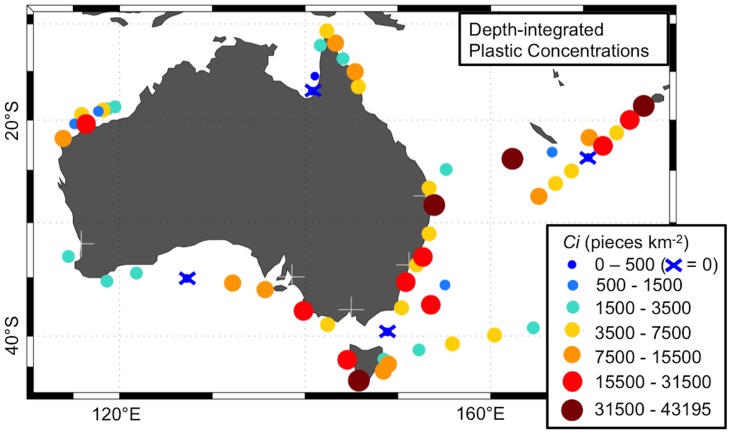
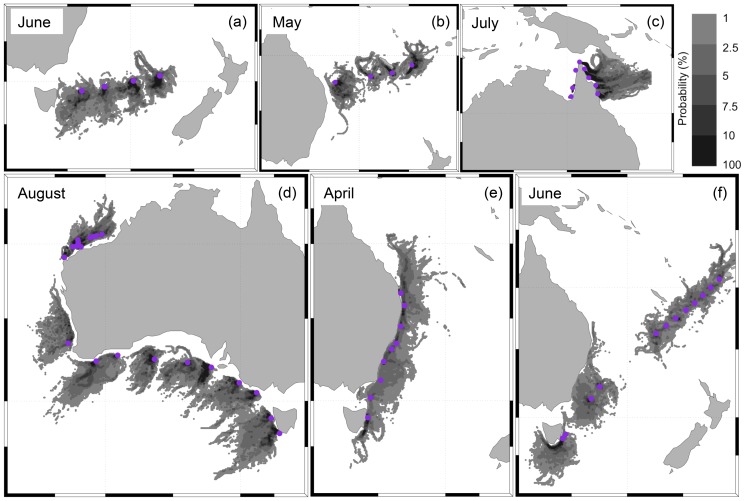
Plastics represent the vast majority of human-made debris present in the oceans. However, their characteristics, accumulation zones, and transport pathways remain poorly assessed. We characterised and estimated the concentration of marine plastics in waters around Australia using surface net tows, and inferred their potential pathways using particle-tracking models and real drifter trajectories. The 839 marine plastics recorded were predominantly small fragments ("microplastics", median length = 2.8 mm, mean length = 4.9 mm) resulting from the breakdown of larger objects made of polyethylene and polypropylene (e.g. packaging and fishing items). Mean sea surface plastic concentration was 4256.4 pieces km(-2), and after incorporating the effect of vertical wind mixing, this value increased to 8966.3 pieces km(-2). These plastics appear to be associated with a wide range of ocean currents that connect the sampled sites to their international and domestic sources, including populated areas of Australia's east coast. This study shows that plastic contamination levels in surface waters of Australia are similar to those in the Caribbean Sea and Gulf of Maine, but considerably lower than those found in the subtropical gyres and Mediterranean Sea. Microplastics such as the ones described here have the potential to affect organisms ranging from megafauna to small fish and zooplankton.
塑料是海洋中存在的绝大多数人为碎片的主要成分。然而,它们的特征、积聚区和传输途径仍未得到充分评估。我们使用表面拖网对澳大利亚周围水域中的海洋塑料进行了特征描述和浓度估计,并使用粒子追踪模型和实际漂流轨迹推断了它们的潜在路径。记录到的 839 个海洋塑料主要是由较大物体(如包装和渔具)分解而成的小碎片(“微塑料”,中值长度=2.8 毫米,平均长度=4.9 毫米)。海面塑料的平均浓度为 4256.4 个/平方公里,在考虑垂直风混合的影响后,这个值增加到 8966.3 个/平方公里。这些塑料似乎与连接采样点与其国际和国内来源的多种洋流有关,包括澳大利亚东海岸的人口稠密地区。这项研究表明,澳大利亚地表水的塑料污染水平与加勒比海和缅因湾相似,但远低于亚热带环流和地中海。像这里描述的微塑料有可能影响从巨型动物到小鱼和浮游动物等各种生物。