Akasheh Rand T, Pini Maria, Pang Jingbo, Fantuzzi Giamila
Department of Kinesiology and Nutrition, University of Illinois at Chicago, Chicago, Illinois, United States of America.
PLoS One. 2013 Dec 2;8(12):e82608. doi: 10.1371/journal.pone.0082608. eCollection 2013.
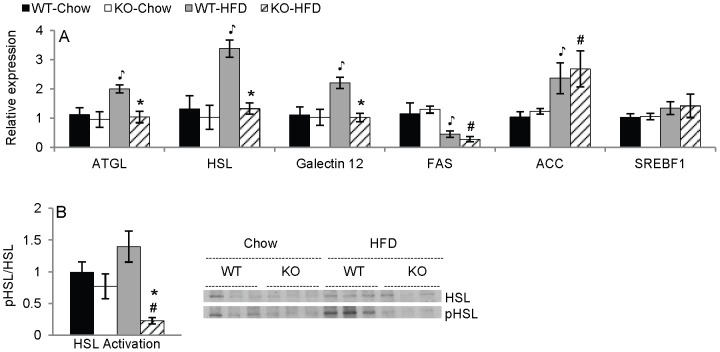
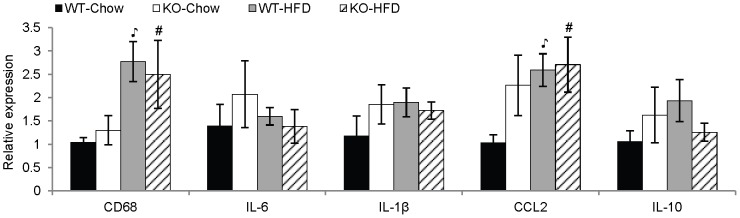
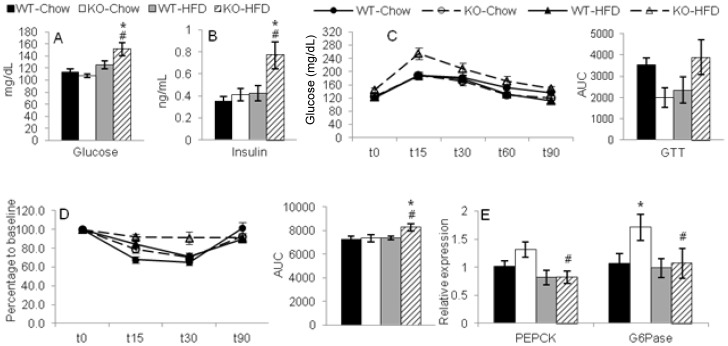
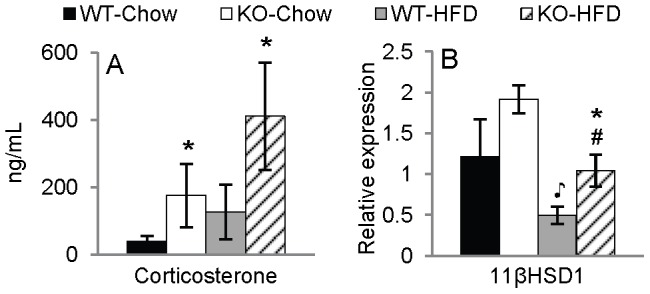
Production of Annexin A1 (ANXA1), a protein that mediates the anti-inflammatory action of glucocorticoids, is altered in obesity, but its role in modulation of adiposity has not yet been investigated. The objective of this study was to investigate modulation of ANXA1 in adipose tissue in murine models of obesity and to study the involvement of ANXA1 in diet-induced obesity in mice. Significant induction of ANXA1 mRNA was observed in adipose tissue of both C57BL6 and Balb/c mice with high fat diet (HFD)-induced obesity versus mice on chow diet. Upregulation of ANXA1 mRNA was independent of leptin or IL-6, as demonstrated by use of leptin-deficient ob/ob mice and IL-6 KO mice. Compared to WT mice, female Balb/c ANXA1 KO mice on HFD had increased adiposity, as indicated by significantly elevated body weight, fat mass, leptin levels, and adipocyte size. Whereas Balb/c WT mice upregulated expression of enzymes involved in the lipolytic pathway in response to HFD, this response was absent in ANXA1 KO mice. A significant increase in fasting glucose and insulin levels as well as development of insulin resistance was observed in ANXA1 KO mice on HFD compared to WT mice. Elevated plasma corticosterone levels and blunted downregulation of 11-beta hydroxysteroid dehydrogenase type 1 in adipose tissue was observed in ANXA1 KO mice compared to diet-matched WT mice. However, no differences between WT and KO mice on either chow or HFD were observed in expression of markers of adipose tissue inflammation. These data indicate that ANXA1 is an important modulator of adiposity in mice, with female ANXA1 KO mice on Balb/c background being more susceptible to weight gain and diet-induced insulin resistance compared to WT mice, without significant changes in inflammation.
膜联蛋白A1(ANXA1)是一种介导糖皮质激素抗炎作用的蛋白质,其生成在肥胖状态下会发生改变,但其在调节肥胖方面的作用尚未得到研究。本研究的目的是调查肥胖小鼠模型中脂肪组织中ANXA1的调节情况,并研究ANXA1在小鼠饮食诱导肥胖中的作用。与正常饮食的小鼠相比,在高脂饮食(HFD)诱导肥胖的C57BL6和Balb/c小鼠的脂肪组织中均观察到ANXA1 mRNA的显著诱导。使用瘦素缺陷型ob/ob小鼠和IL-6基因敲除小鼠证明,ANXA1 mRNA的上调与瘦素或IL-6无关。与野生型小鼠相比,高脂饮食的雌性Balb/c ANXA1基因敲除小鼠肥胖程度增加,表现为体重、脂肪量、瘦素水平和脂肪细胞大小显著升高。虽然Balb/c野生型小鼠在高脂饮食后上调了参与脂解途径的酶的表达,但这种反应在ANXA1基因敲除小鼠中不存在。与野生型小鼠相比,高脂饮食的ANXA1基因敲除小鼠空腹血糖和胰岛素水平显著升高,且出现胰岛素抵抗。与饮食匹配的野生型小鼠相比,ANXA1基因敲除小鼠血浆皮质酮水平升高,脂肪组织中11-β羟类固醇脱氢酶1的下调减弱。然而,在正常饮食或高脂饮食的野生型和基因敲除小鼠之间,脂肪组织炎症标志物的表达没有差异。这些数据表明,ANXA1是小鼠肥胖的重要调节因子,与野生型小鼠相比,Balb/c背景的雌性ANXA1基因敲除小鼠更容易体重增加和出现饮食诱导的胰岛素抵抗,且炎症无显著变化。