Redmond Latasha C, Pang Christopher J, Dumur Catherine, Haar Jack L, Lloyd Joyce A
Departments of Human and Molecular Genetics, Virginia Commonwealth University, Richmond, VA, USA.
Methods Mol Biol. 2014;1092:43-60. doi: 10.1007/978-1-60327-292-6_4.
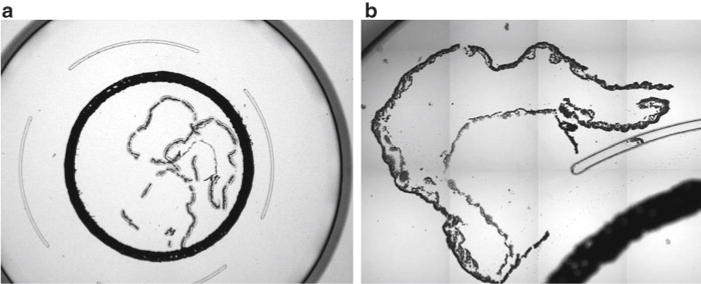
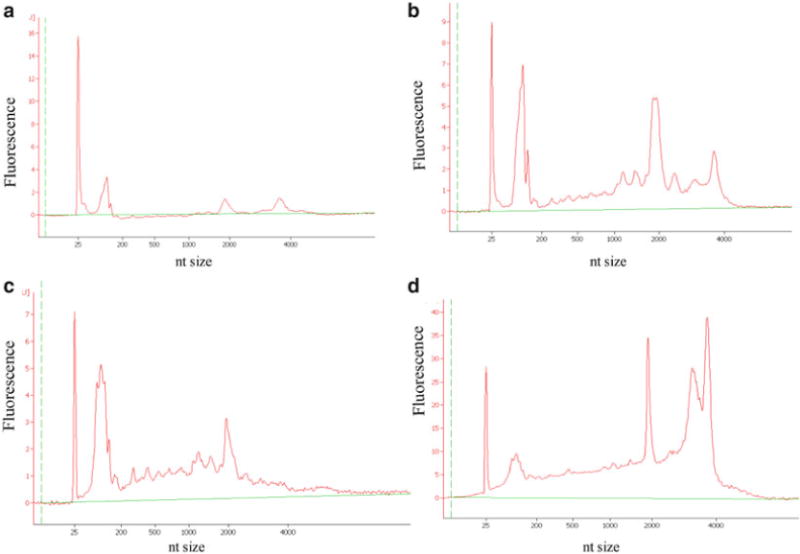
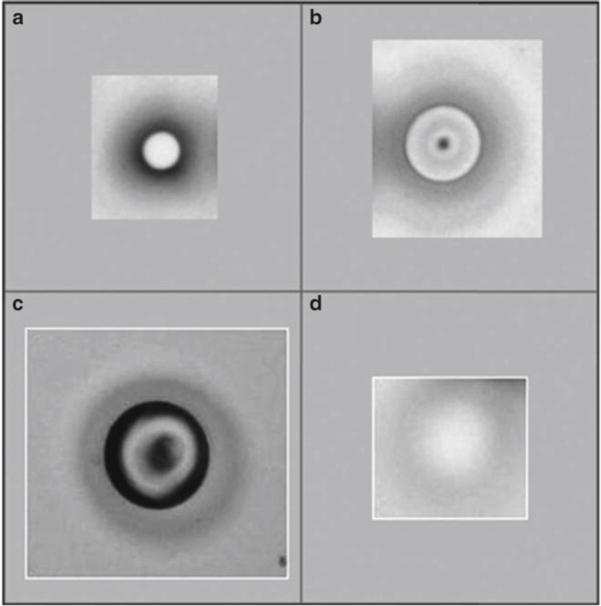
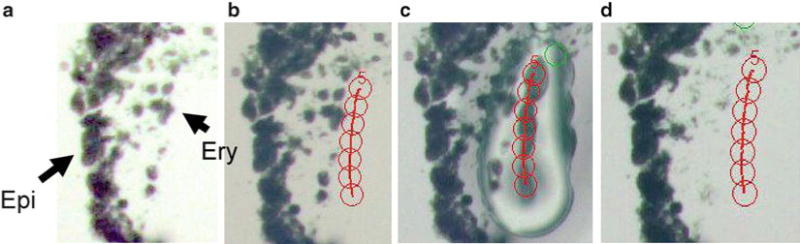
In order to compare the global gene expression profiles of different embryonic cell types, it is first necessary to isolate the specific cells of interest. The purpose of this chapter is to provide a step-by-step protocol to perform laser capture microdissection (LCM) on embryo samples and obtain sufficient amounts of high-quality RNA for microarray hybridizations. Using the LCM/microarray strategy on mouse embryo samples has some challenges, because the cells of interest are available in limited quantities. The first step in the protocol is to obtain embryonic tissue, and immediately cryoprotect and freeze it in a cryomold containing Optimal Cutting Temperature freezing media (Sakura Finetek), using a dry ice-isopentane bath. The tissue is then cryosectioned, and the microscope slides are processed to fix, stain, and dehydrate the cells. LCM is employed to isolate specific cell types from the slides, identified under the microscope by virtue of their morphology. Detailed protocols are provided for using the currently available ArcturusXT LCM instrument and CapSure(®) LCM Caps, to which the selected cells adhere upon laser capture. To maintain RNA integrity, upon removing a slide from the final processing step, or attaching the first cells on the LCM cap, LCM is completed within 20 min. The cells are then immediately recovered from the LCM cap using a denaturing solution that stabilizes RNA integrity. RNA is prepared using standard methods, modified for working with small samples. To ensure the validity of the microarray data, the quality of the RNA is assessed using the Agilent bioanalyzer. Only RNA that is of sufficient integrity and quantity is used to perform microarray assays. This chapter provides guidance regarding troubleshooting and optimization to obtain high-quality RNA from cells of limited availability, obtained from embryo samples by LCM.
为了比较不同胚胎细胞类型的全基因组表达谱,首先需要分离出感兴趣的特定细胞。本章的目的是提供一个逐步的方案,用于对胚胎样本进行激光捕获显微切割(LCM),并获得足够数量的高质量RNA用于微阵列杂交。在小鼠胚胎样本上使用LCM/微阵列策略存在一些挑战,因为感兴趣的细胞数量有限。该方案的第一步是获取胚胎组织,并立即在含有最佳切割温度冷冻介质(樱花精技公司)的冷冻模具中使用干冰 - 异戊烷浴进行冷冻保护和冷冻。然后对组织进行冷冻切片,对显微镜载玻片进行处理以固定、染色和脱水细胞。使用LCM从载玻片上分离特定细胞类型,这些细胞在显微镜下根据其形态进行识别。提供了使用当前可用的ArcturusXT LCM仪器和CapSure(®) LCM帽的详细方案,所选细胞在激光捕获时会附着在这些帽上。为了保持RNA的完整性,在从最终处理步骤取出载玻片或在LCM帽上附着第一批细胞后,LCM需在20分钟内完成。然后立即使用稳定RNA完整性的变性溶液从LCM帽中回收细胞。使用针对小样本工作进行修改的标准方法制备RNA。为确保微阵列数据的有效性,使用安捷伦生物分析仪评估RNA的质量。仅使用完整性和数量足够的RNA进行微阵列分析。本章提供了有关故障排除和优化的指导,以从通过LCM从胚胎样本获得的有限可用细胞中获取高质量RNA。