Li Xiao-Long, Teng Mai-Kun, Reinherz Ellis L, Wang Jia-Huai
School of Life Sciences, University of Science and Technology of China , Hefei , China ; College of Life Sciences, Peking University , Beijing , China.
Front Immunol. 2013 Nov 22;4:383. doi: 10.3389/fimmu.2013.00383.
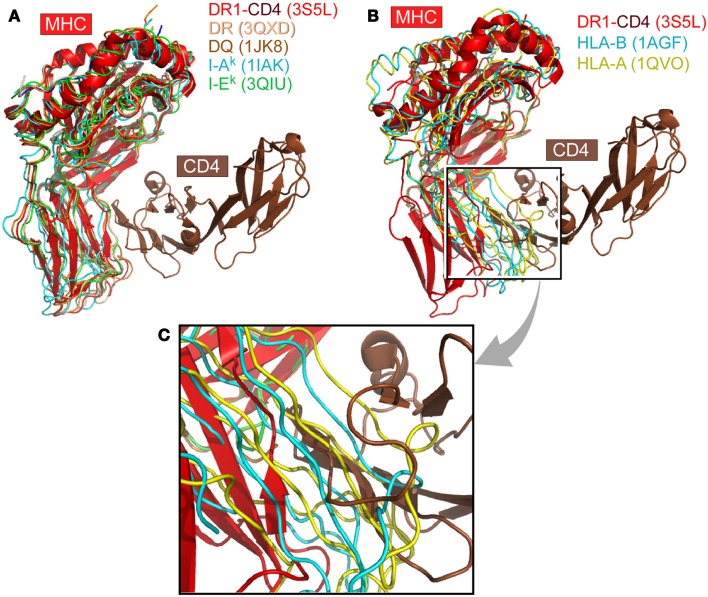
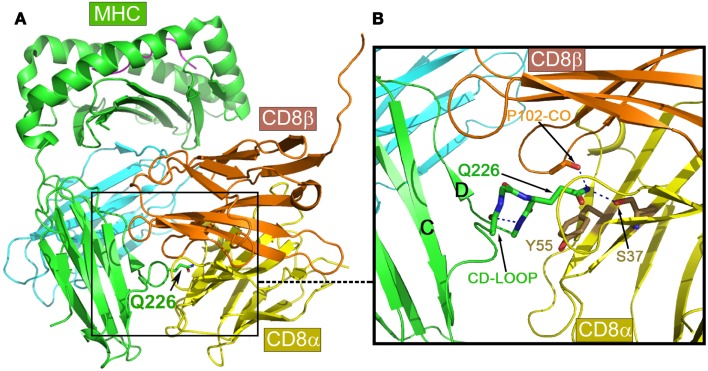
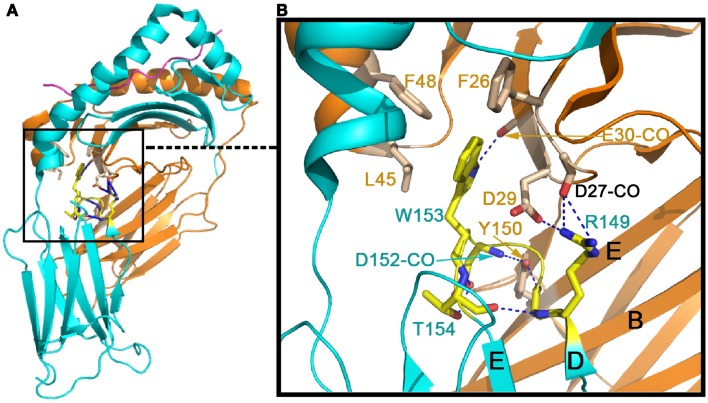
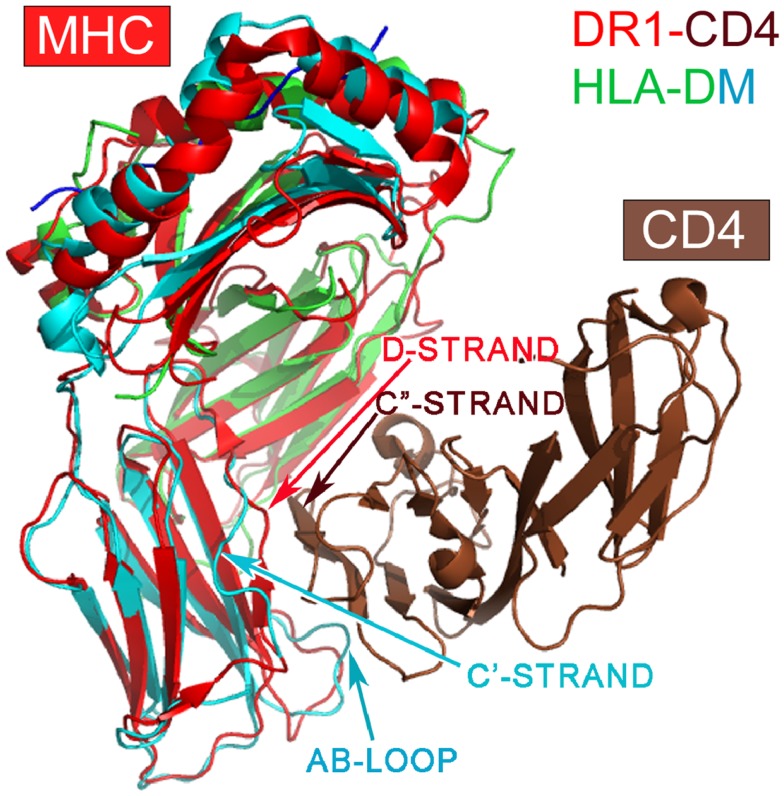
Since the discovery of co-receptor dependent αβTCR recognition, considerable effort has been spent on elucidating the basis of CD4 and CD8 lineage commitment in the thymus. The latter is responsible for generating mature CD4 helper and CD8αβ cytotoxic T cell subsets. Although CD4(+) and CD8(+) T cell recognition of peptide antigens is known to be MHC class II- and MHC class I-restricted, respectively, the mechanism of single positive (SP) thymocyte lineage commitment from bipotential double-positive (DP) progenitors is not fully elucidated. Classical models to explain thymic CD4 vs. CD8 fate determination have included a stochastic selection model or instructional models. The latter are based either on strength of signal or duration of signal impacting fate. More recently, differential co-receptor gene imprinting has been shown to be involved in expression of transcription factors impacting cytotoxic T cell development. Here, we address commitment from a structural perspective, focusing on the nature of co-receptor binding to MHC molecules. By surveying 58 MHC class II and 224 MHC class I crystal structures in the Protein Data Bank, it becomes clear that CD4 cannot bind to MHC I molecules, nor can CD8αβ or CD8αα bind to MHC II molecules. Given that the co-receptor delivers Lck to phosphorylate exposed CD3 ITAMs within a peptide/MHC (pMHC)-ligated TCR complex to initiate cell signaling, this strict co-receptor recognition fosters MHC class-restricted SP thymocyte lineage commitment at the DP stage even though both co-receptors are expressed on a single cell. In short, the binding preference of an αβTCR for a peptide complexed with an MHC molecule dictates which co-receptor subsequently binds, thereby supporting development of that subset lineage. How function within the lineage is linked further to biopotential fate determination is discussed.
自从发现共受体依赖性αβTCR识别以来,人们在阐明胸腺中CD4和CD8谱系定向的基础方面付出了巨大努力。后者负责产生成熟的CD4辅助性T细胞和CD8αβ细胞毒性T细胞亚群。尽管已知CD4(+)和CD8(+) T细胞对肽抗原的识别分别受MHC II类和MHC I类限制,但双潜能双阳性(DP)祖细胞产生单阳性(SP)胸腺细胞谱系定向的机制尚未完全阐明。解释胸腺中CD4与CD8命运决定的经典模型包括随机选择模型或指导模型。后者要么基于信号强度,要么基于影响命运的信号持续时间。最近,已证明差异共受体基因印记参与影响细胞毒性T细胞发育的转录因子的表达。在这里,我们从结构角度探讨谱系定向,重点关注共受体与MHC分子结合的性质。通过研究蛋白质数据库中的58个MHC II类和224个MHC I类晶体结构,很明显CD4不能与MHC I分子结合,CD8αβ或CD8αα也不能与MHC II分子结合。鉴于共受体传递Lck使肽/MHC (pMHC)连接的TCR复合物内暴露的CD3 ITAM磷酸化以启动细胞信号传导,这种严格的共受体识别促进了DP阶段MHC类限制的SP胸腺细胞谱系定向,尽管两种共受体都在单个细胞上表达。简而言之,αβTCR对与MHC分子复合的肽的结合偏好决定了随后结合的共受体,从而支持该亚群谱系的发育。文中还讨论了谱系内的功能如何进一步与双潜能命运决定相关联。