Department of Biological Sciences, Hunter College and The Graduate Center Biochemistry, Biology and Biopsychology and Behavioral Neuroscience Programs, The City University of New York, New York, NY 10065, USA.
Stem Cell Reports. 2013 Sep 26;1(4):350-9. doi: 10.1016/j.stemcr.2013.08.003. eCollection 2013.
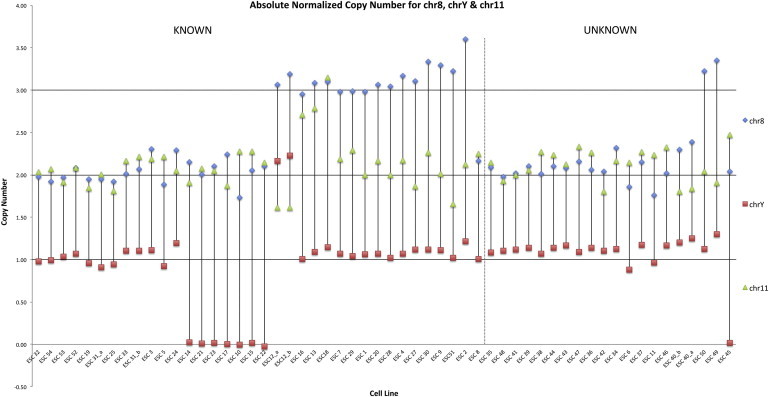
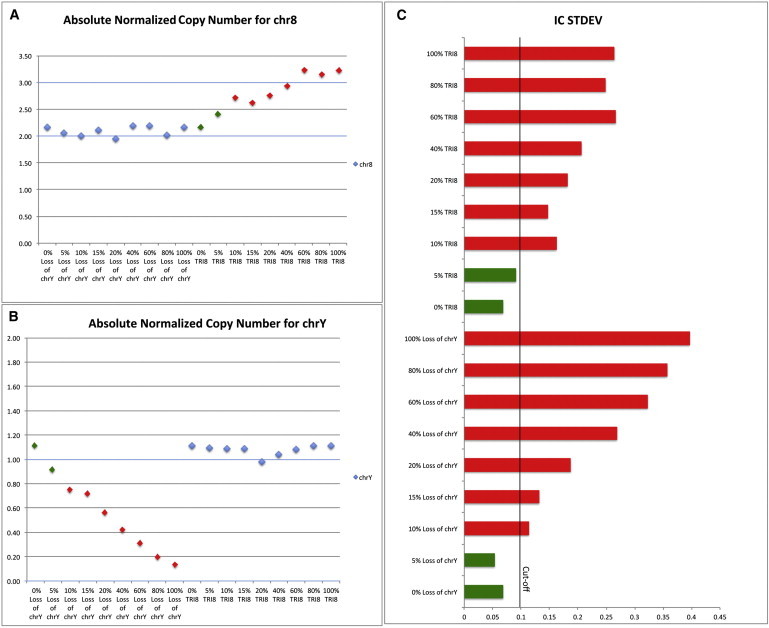
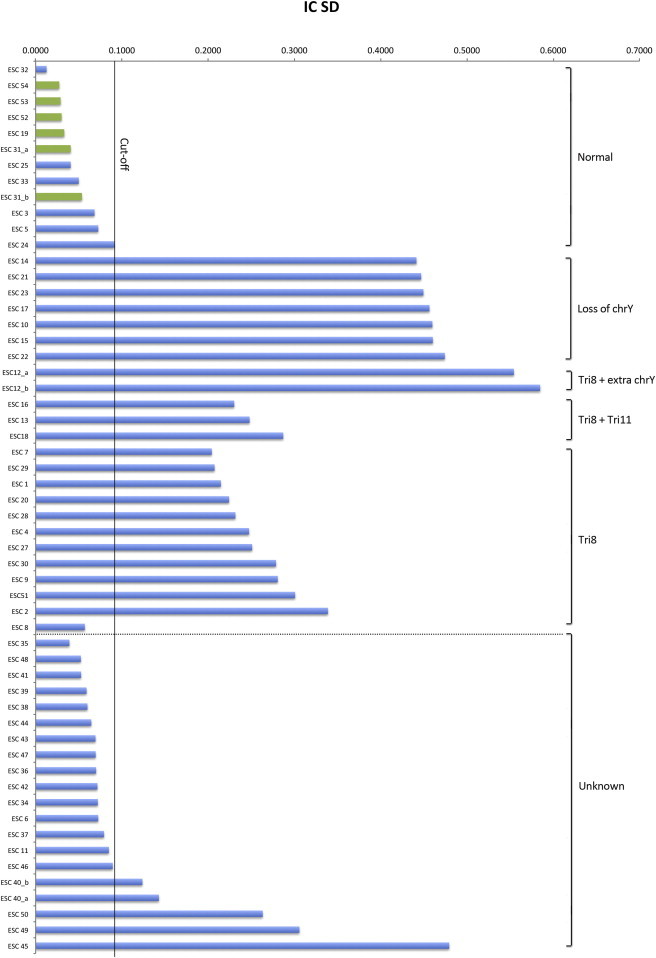
Chromosomal integrity has been known for many years to affect the ability of mouse embryonic stem cells (mESCs) to contribute to the germline of chimeric mice. Abnormal chromosomes are generally detected by standard cytogenetic karyotyping. However, this method is expensive, time consuming, and often omitted prior to blastocyst injection, consequently reducing the frequency of mESC-derived offspring. Here, we show a fast, accurate, and inexpensive screen for identifying the two most common aneuploidies (Trisomy 8 and loss of chromosome Y) in genetically manipulated mESCs using quantitative real-time PCR (qPCR). Screening against these two aneuploidies significantly increases the fraction of normal mESC clones. Our method is extremely sensitive and can detect as low as 10% aneuploidy among a large population of mESCs. It greatly expedites the generation of mutant mice and provides a quick tool for assessing the aneuploidy percentages of any mESC line.
多年来,人们已经知道染色体的完整性会影响小鼠胚胎干细胞(mESCs)向嵌合小鼠种系传递的能力。通常通过标准细胞遗传学核型分析来检测异常染色体。然而,这种方法昂贵、耗时,并且在注射囊胚之前经常被省略,从而降低了 mESC 衍生后代的频率。在这里,我们展示了一种快速、准确且廉价的方法,用于使用实时定量 PCR(qPCR)鉴定遗传操作的 mESCs 中两种最常见的非整倍体(三体 8 和 Y 染色体缺失)。针对这两种非整倍体的筛选可显著增加正常 mESC 克隆的比例。我们的方法非常灵敏,即使在大量 mESCs 中也能检测到低至 10%的非整倍体。它大大加快了突变小鼠的产生,并为评估任何 mESC 系的非整倍体百分比提供了一个快速工具。