Schroeder Gregory D, Hsu Wellington K
Department of Orthopaedic Surgery, Northwestern University, 676 N. Saint Clair, Suite 1350, Chicago, IL, 60611, USA.
Surg Neurol Int. 2013 Oct 29;4(Suppl 5):S362-7. doi: 10.4103/2152-7806.120777. eCollection 2013.
Vertebral artery injuries during cervical spine surgery are rare, but potentially fatal. When performing cervical spine surgery, it is imperative that the surgeon has a systematic approach for avoiding, and if necessary, dealing with a vertebral artery injury.
This is a review paper.
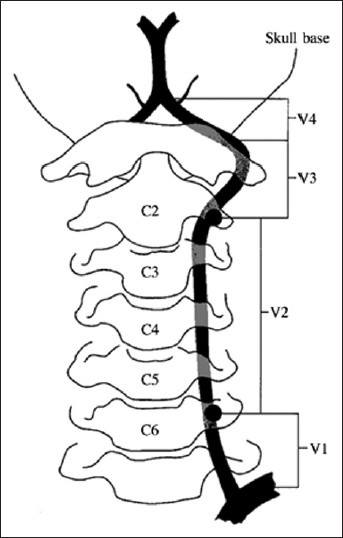
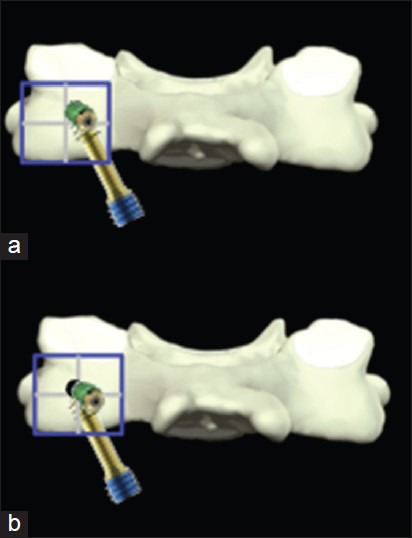
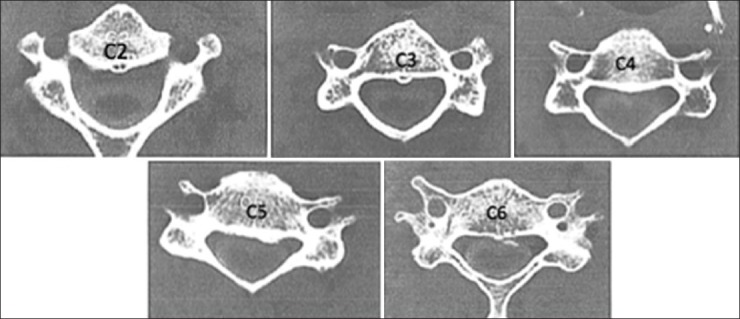
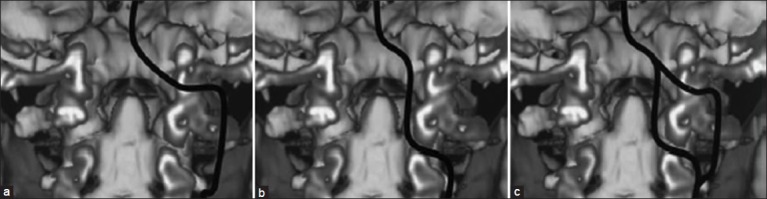
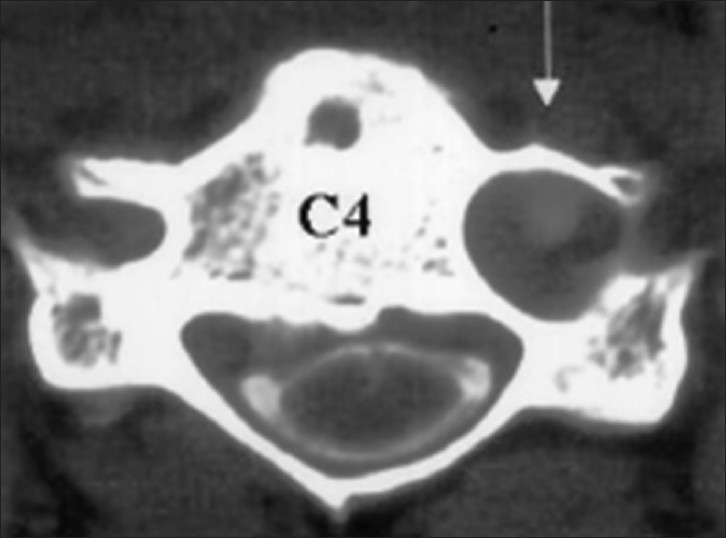
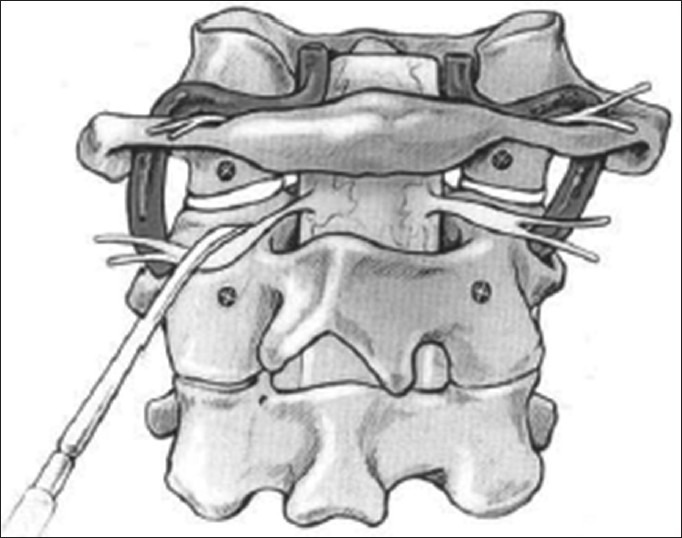
Upper posterior cervical spine surgeries put the vertebral artery at the highest risk, as opposed to anterior subaxial cervical spine procedures, which put the artery at the least risk. A thorough understanding of the complex anatomy of the vertebral artery is mandatory prior to performing cervical spine surgery, and since the vertebral artery can have a variable course, especially in the upper cervical spine, the surgeon must minimize the possibility of an arterial injury by preoperatively assessing the artery with a computed tomography (CT) scan or magnetic resonance imaging (MRI). Intraoperatively, the surgeon must be aware of when the vertebral artery is most at risk, and take precautions to avoid an injury. In the event of an arterial injury, the surgeon must have a plan of action to (1) Achieve control of the hemorrhage. (2) Prevent acute central nervous system ischemia. (3) Prevent postoperative complications such as embolism and pseudoaneurysm.
Prior to performing cervical spine surgery, one must understand the four A's of vertebral artery injuries: Anatomy, Assessment, Avoidance, and Action.
颈椎手术期间椎动脉损伤罕见,但可能致命。进行颈椎手术时,外科医生必须有一套系统的方法来避免,必要时应对椎动脉损伤。
这是一篇综述文章。
颈椎后上部手术使椎动脉面临的风险最高,而颈椎下前部手术使动脉面临的风险最小。在进行颈椎手术前,必须彻底了解椎动脉的复杂解剖结构,而且由于椎动脉的走行可能多变,尤其是在上颈椎,外科医生必须通过术前用计算机断层扫描(CT)或磁共振成像(MRI)评估动脉,将动脉损伤的可能性降至最低。术中,外科医生必须清楚椎动脉何时风险最大,并采取预防措施避免损伤。万一发生动脉损伤,外科医生必须有一个行动计划来:(1)控制出血。(2)预防急性中枢神经系统缺血。(3)预防术后并发症,如栓塞和假性动脉瘤。
在进行颈椎手术前,必须了解椎动脉损伤的四个“A”:解剖结构(Anatomy)、评估(Assessment)、避免(Avoidance)和行动(Action)。