Key Laboratory of Yangtze River Water Environment, Ministry of Education, College of Environmental Science and Engineering, Tongji University, Shanghai, China.
Microb Biotechnol. 2014 Mar;7(2):90-9. doi: 10.1111/1751-7915.12092. Epub 2014 Jan 7.
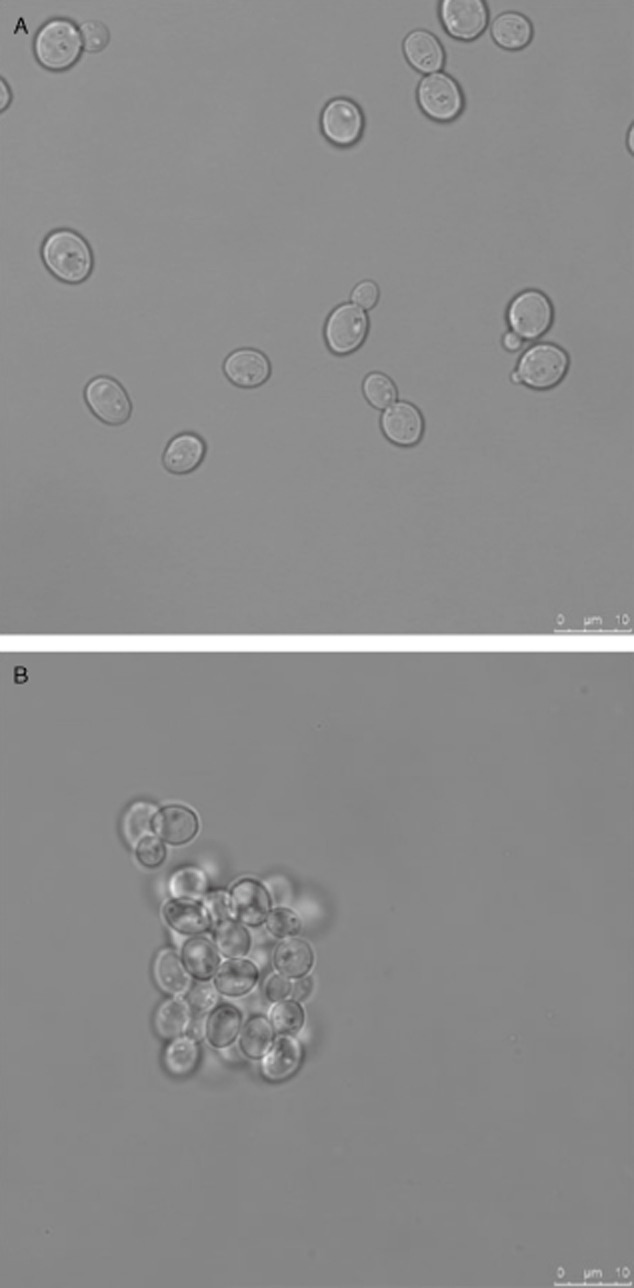
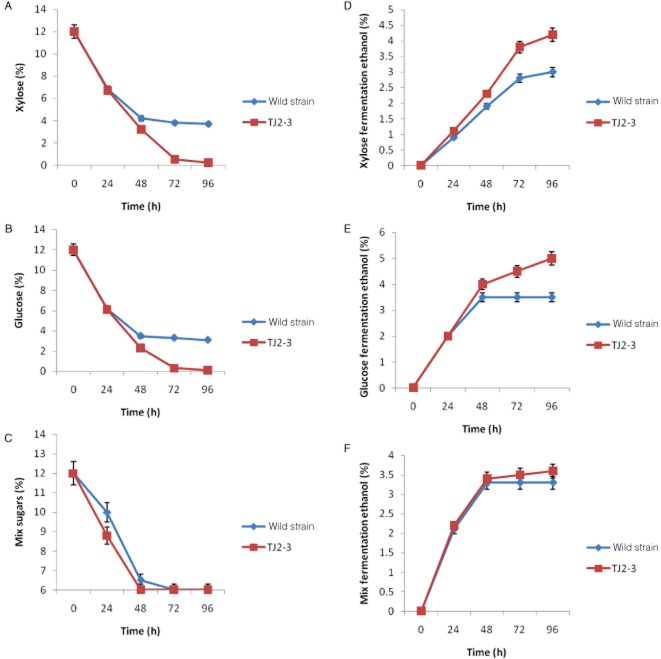
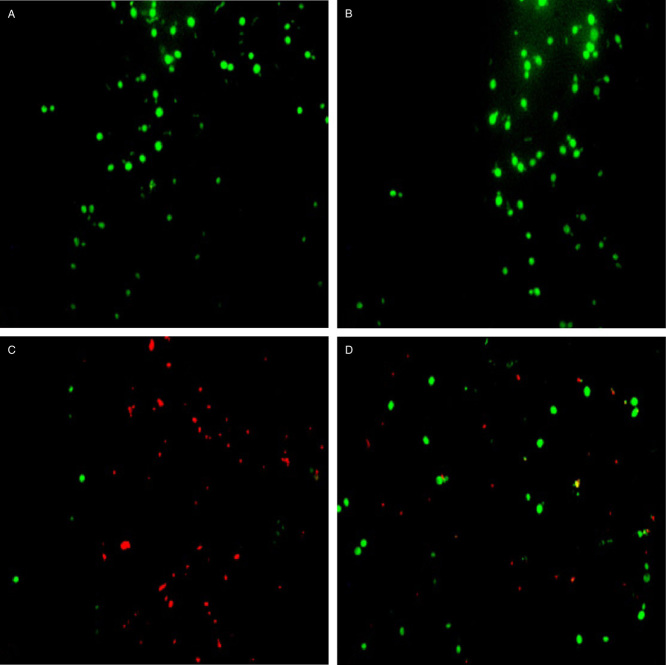
Xylose fermentation is necessary for the bioconversion of lignocellulose to ethanol as fuel, but wild-type Saccharomyces cerevisiae strains cannot fully metabolize xylose. Several efforts have been made to obtain microbial strains with enhanced xylose fermentation. However, xylose fermentation remains a serious challenge because of the complexity of lignocellulosic biomass hydrolysates. Genome shuffling has been widely used for the rapid improvement of industrially important microbial strains. After two rounds of genome shuffling, a genetically stable, high-ethanol-producing strain was obtained. Designated as TJ2-3, this strain could ferment xylose and produce 1.5 times more ethanol than wild-type Pichia stipitis after fermentation for 96 h. The acridine orange and propidium iodide uptake assays showed that the maintenance of yeast cell membrane integrity is important for ethanol fermentation. This study highlights the importance of genome shuffling in P. stipitis as an effective method for enhancing the productivity of industrial strains.
木糖发酵对于将木质纤维素生物转化为乙醇作为燃料是必要的,但野生型酿酒酵母菌株不能完全代谢木糖。已经做出了一些努力来获得具有增强木糖发酵能力的微生物菌株。然而,由于木质纤维素生物质水解物的复杂性,木糖发酵仍然是一个严重的挑战。基因组改组已被广泛用于快速改良工业上重要的微生物菌株。经过两轮基因组改组,获得了一株遗传稳定、产乙醇能力高的菌株。该菌株被命名为 TJ2-3,经过 96 小时发酵后,该菌株可发酵木糖并产生比野生型毕赤酵母多 1.5 倍的乙醇。吖啶橙和碘化丙啶摄取实验表明,保持酵母细胞膜完整性对于乙醇发酵很重要。本研究强调了基因组改组在毕赤酵母中的重要性,这是一种增强工业菌株生产力的有效方法。