Tabari Masoomeh, Alipour Mohammad, Esalati Hamideh
Department of Anesthesiology, Faculty of Medicine, Mashhad University of Medical Sciences, Mashhad, IR Iran.
Iran Red Crescent Med J. 2013 Jul;15(7):541-6. doi: 10.5812/ircmj.11540. Epub 2013 Jul 5.
Direct laryngoscopy and tracheal intubation can result in blood pressure and heart rate increase which in turn may lead to myocardial ischemia, cerebral hemorrhage, and even death in susceptible patients. Tizanidine is α2-receptor agonists that suppresses central sympathetic system.
This study evaluates the effects of oral Tizanidine on hemodynamic responses during operations and aims to determine the appropriate Propofol dosage to maintain anesthesia under BIS monitoring.
A double-blind clinical trial has been performed on 70 candidates for elective abdominal surgery undergoing general anesthesia in Educational Hospital of Ghaem, Mashhad, Iran. 35 randomly selected patients (the case group) were given 4 mg of oral Tizanidine 90 minutes before the induction of anesthesia whereas the remaining subjects (the control group) were given placebo. Blood pressure and heart rate before and after induction of anesthesia, and after intubation and extubation, existence of postoperative shivering, and the needed Propofol dosage were measured and recorded. Data analysis was done with T-test and Chi-squared test, using SPSS software version 16.
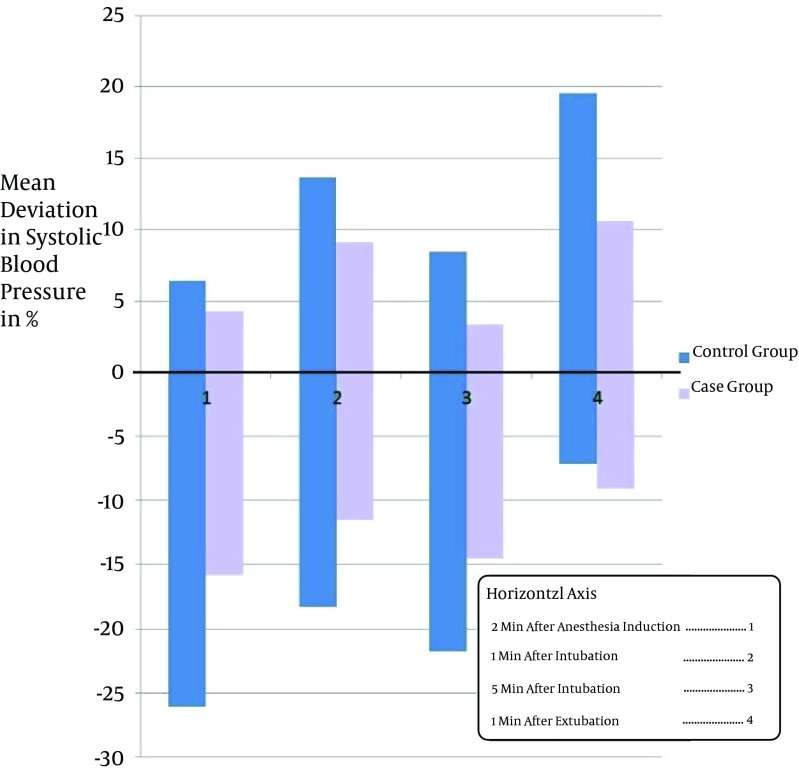
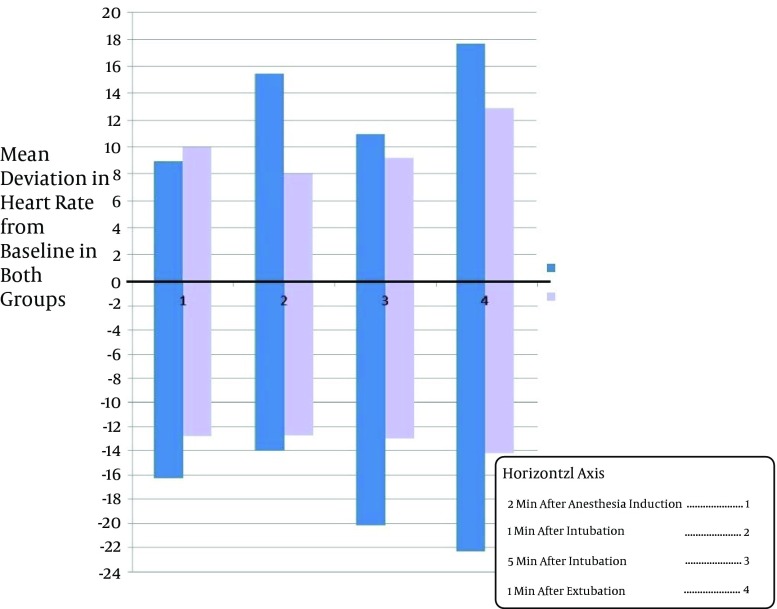
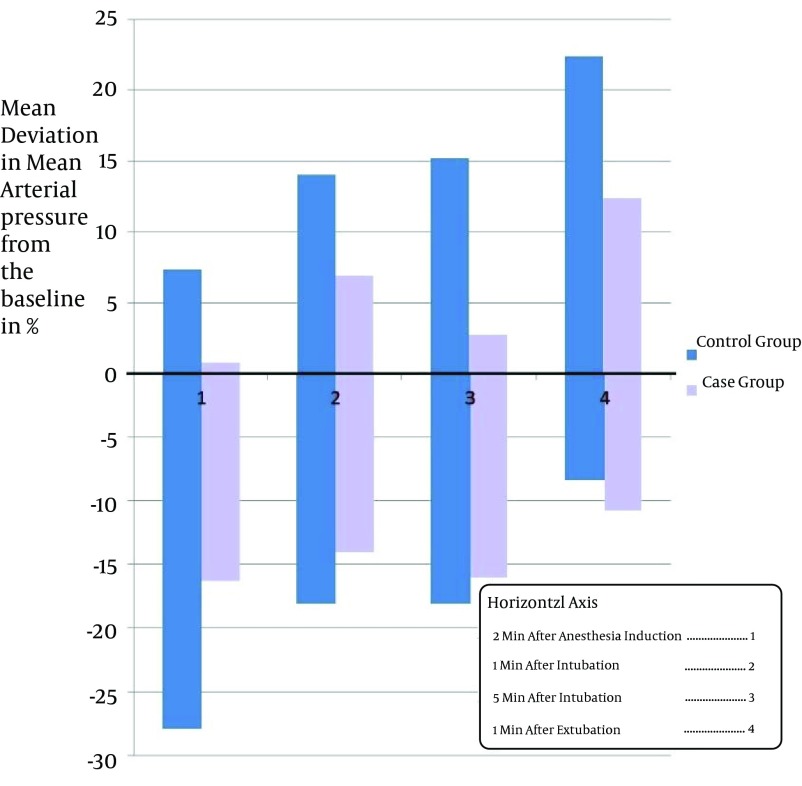
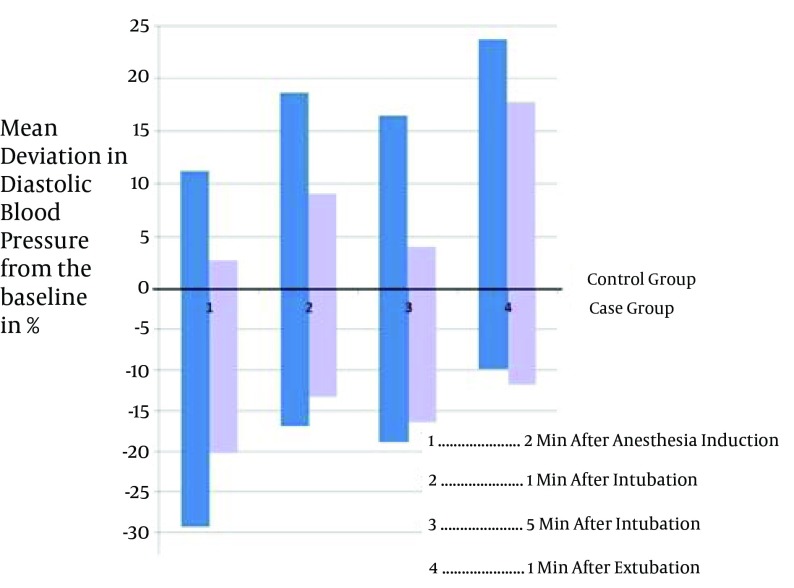
Variations of blood pressure and heart rate after anesthesia induction, intubation and extubation were less in Tizanidine group generally. Postoperative shivering was reported in 28.6% and 11.4% of patients in control and case group respectively. Average propofol needed dose for anesthesia maintenance in case group was 25% less than the needed amount in the control group.
Using oral Tizanidine as a premedication, yielded stability in blood pressure and heart rate during surgery and decreased required Propofol. Considering its short duration of action, Tizanidine use as a premedication is recommended for sedation and stabilization of hemodynamic responses during the operations.
直接喉镜检查和气管插管可导致血压和心率升高,进而可能导致易感患者发生心肌缺血、脑出血甚至死亡。替扎尼定是一种抑制中枢交感神经系统的α2受体激动剂。
本研究评估口服替扎尼定对手术期间血流动力学反应的影响,并旨在确定在脑电双频指数(BIS)监测下维持麻醉的合适丙泊酚剂量。
在伊朗马什哈德加姆教育医院对70例接受全身麻醉的择期腹部手术患者进行了一项双盲临床试验。随机选择35例患者(病例组)在麻醉诱导前90分钟口服4 mg替扎尼定,而其余受试者(对照组)给予安慰剂。测量并记录麻醉诱导前后、插管和拔管后的血压和心率、术后寒战的发生情况以及所需的丙泊酚剂量。使用SPSS 16.0软件进行t检验和卡方检验进行数据分析。
一般来说,替扎尼定组麻醉诱导、插管和拔管后血压和心率的变化较小。对照组和病例组分别有28.6%和11.4%的患者报告有术后寒战。病例组麻醉维持所需丙泊酚的平均剂量比对照组少25%。
术前使用口服替扎尼定可使手术期间血压和心率保持稳定,并减少所需丙泊酚的用量。考虑到其作用持续时间短,建议将替扎尼定用作术前用药以在手术期间镇静和稳定血流动力学反应。