Division of Pediatric Infectious Diseases, Marmara University School of Medicine, Istanbul, Turkey.
Ital J Pediatr. 2014 Jan 8;40:2. doi: 10.1186/1824-7288-40-2.
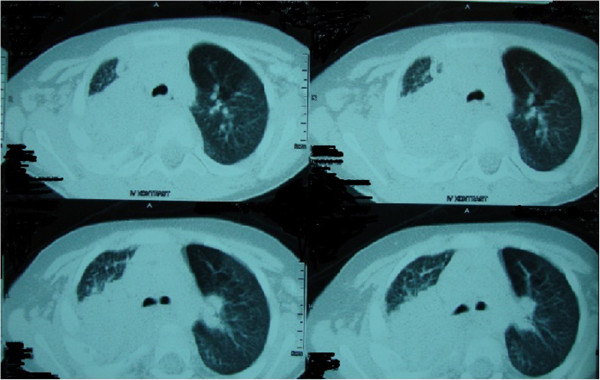
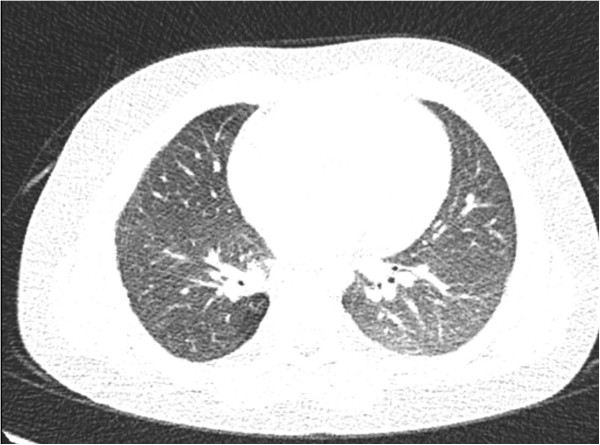
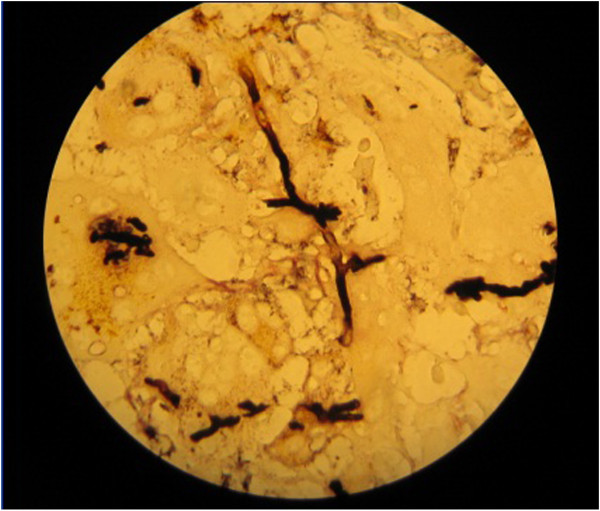
Invasive aspergillosis is an important cause of morbidity and mortality in immunocompromised patients. Among primary immunodefiencies, chronic granulomatous disease (CGD) has the highest prevalence of invasive fungal diseases. Voriconazole is recommended for the primary treatment of invasive aspergillosis in most patients. In patients whose aspergillosis is refractory to voriconazole, therapeutic options include changing class of antifungal, for example using an amphotericin B formulation, an echinocandin, combination therapy, or further use of azoles. Posaconazole is a triazole derivative which is effective in Aspergillosis prophylaxis and treatment. Rarely, surgical therapy may be needed in some patients. Lesions those are contiguous with the great vessels or the pericardium, single cavitary lesion that cause hemoptysis, lesions invading the chest wall, aspergillosis that involves the skin and the bone are the indications for surgical therapy.Chronic granulomatous disease (CGD) is an inherited immundeficiency caused by defects in the phagocyte nicotinamide adenine dinucleotidephosphate (NADPH) oxidase complex which is mainstay of killing microorganisms. CGD is characterized by recurrent life-threatening bacterial and fungal infections and by abnormally exuberant inflammatory responses leading to granuloma formation, such as granulomatous enteritis, genitourinary obstruction, and wound dehiscence. The diagnosis is made by neutrophil function testing and the genotyping.Herein, we present a case with CGD who had invasive pulmonary aspergillosis refractory to voriconazole and liposomal amphotericine B combination therapy that was controlled with posaconazole treatment and pulmonary surgery.
侵袭性曲霉菌病是免疫功能低下患者发病和死亡的重要原因。在原发性免疫缺陷中,慢性肉芽肿病(CGD)侵袭性真菌感染的发病率最高。伏立康唑是大多数患者侵袭性曲霉菌病的一线治疗药物。对于伏立康唑耐药的曲霉菌病患者,治疗选择包括改变抗真菌药物类别,例如使用两性霉素 B 制剂、棘白菌素、联合治疗或进一步使用唑类药物。泊沙康唑是一种三唑衍生物,可有效预防和治疗曲霉菌病。在某些患者中,可能需要手术治疗。与大血管或心包相邻的病变、引起咯血的单个空洞性病变、侵犯胸壁的病变、累及皮肤和骨骼的曲霉菌病是手术治疗的指征。慢性肉芽肿病(CGD)是一种遗传性免疫缺陷病,由吞噬细胞烟酰胺腺嘌呤二核苷酸磷酸(NADPH)氧化酶复合物的缺陷引起,该复合物是杀死微生物的主要物质。CGD 的特征是反复发作的危及生命的细菌和真菌感染,以及异常旺盛的炎症反应导致肉芽肿形成,如肉芽肿性肠炎、泌尿生殖系统梗阻和伤口裂开。诊断通过中性粒细胞功能测试和基因分型进行。在此,我们报告了一例 CGD 患者,该患者患有伏立康唑和脂质体两性霉素 B 联合治疗耐药的侵袭性肺曲霉病,经泊沙康唑治疗和肺手术控制。