Defence Institute of High Altitude Research, Defence Research & Development Organisation, C/o 56 APO, Leh-Ladakh, Jammu and Kashmir, India.
Defence Institute of Physiology and Allied Sciences, Defence Research & Development Organisation, Lucknow Road, Timarpur, Delhi, India.
PLoS One. 2014 Jan 3;9(1):e84274. doi: 10.1371/journal.pone.0084274. eCollection 2014.
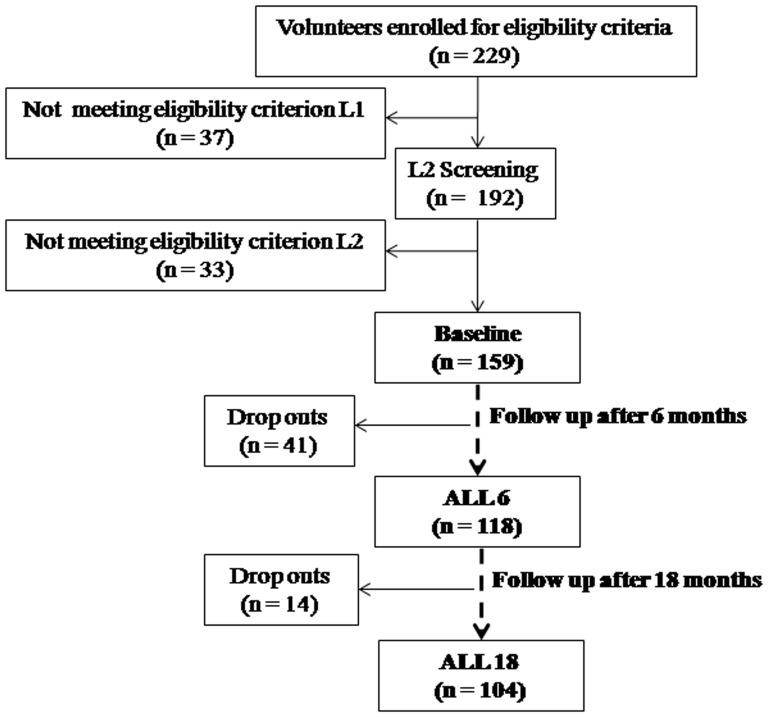
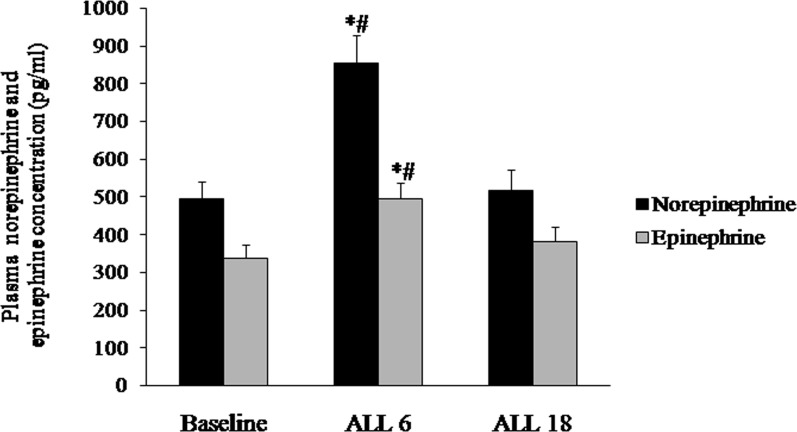
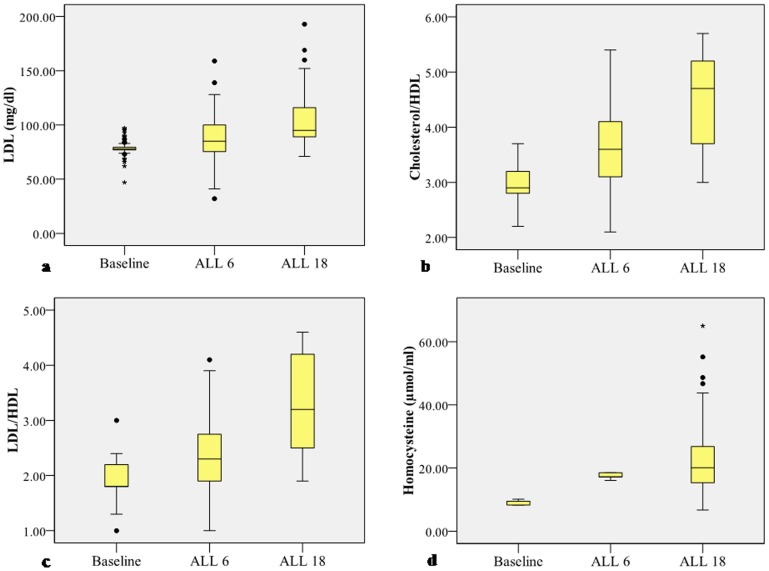
Acute exposure to hypobaric hypoxia at high altitude is reported to cause sympathetic dominance that may contribute to the pathophysiology of high altitude illnesses. The effect of prolonged stay at high altitude on autonomic functions, however, remains to be explored. Thus, the present study aimed at investigating the effect of high altitude on autonomic neural control of cardiovascular responses by monitoring heart rate variability (HRV) during chronic hypobaric hypoxia. Baseline electrocardiography (ECG) data was acquired from the volunteers at mean sea level (MSL) (<250 m) in Rajasthan. Following induction of the study population to high altitude (4500-4800 m) in Ladakh region, ECG data was acquired from the volunteers after 6 months (ALL 6) and 18 months of induction (ALL 18). Out of 159 volunteers who underwent complete investigation during acquisition of baseline data, we have only included the data of 104 volunteers who constantly stayed at high altitude for 18 months to complete the final follow up after 18 months. HRV parameters, physiological indices and biochemical changes in serum were investigated. Our results show sympathetic hyperactivation along with compromise in parasympathetic activity in ALL 6 and ALL 18 when compared to baseline data. Reduction of sympathetic activity and increased parasympathetic response was however observed in ALL 18 when compared to ALL 6. Our findings suggest that autonomic response is regulated by two distinct mechanisms in the ALL 6 and ALL 18. While the autonomic alterations in the ALL 6 group could be attributed to increased sympathetic activity resulting from increased plasma catecholamine concentration, the sympathetic activity in ALL 18 group is associated with increased concentration of serum coronary risk factors and elevated homocysteine. These findings have important clinical implications in assessment of susceptibility to cardio-vascular risks in acclimatized lowlanders staying for prolonged duration at high altitude.
急性暴露于高海拔低氧环境会导致交感神经优势,这可能有助于高原病的病理生理学。然而,长时间停留在高海拔地区对自主功能的影响仍有待探索。因此,本研究旨在通过监测心率变异性(HRV)来研究高海拔对心血管自主神经控制的影响。在拉达克地区将志愿者诱导至高原(4500-4800 米)后,从基线海拔(<250 米)的志愿者身上获取基线心电图(ECG)数据。在 6 个月(ALL 6)和 18 个月(ALL 18)的诱导后,从志愿者身上获取 ECG 数据。在完成基线数据采集期间接受完整调查的 159 名志愿者中,我们仅纳入了 104 名持续在高海拔地区停留 18 个月以在 18 个月后完成最终随访的志愿者的数据。研究了 HRV 参数、生理指数和血清生化变化。我们的研究结果表明,与基线数据相比,在 ALL 6 和 ALL 18 中均存在交感神经兴奋,副交感神经活性受损。然而,与 ALL 6 相比,在 ALL 18 中观察到交感神经活动减少和副交感神经反应增加。我们的研究结果表明,在 ALL 6 和 ALL 18 中,自主反应由两种不同的机制调节。虽然 ALL 6 组的自主神经改变可能归因于血浆儿茶酚胺浓度增加导致的交感神经活性增加,但 ALL 18 组的交感神经活性与血清冠状动脉危险因素浓度增加和同型半胱氨酸升高有关。这些发现对于评估适应高原的低地居民在高海拔地区长时间停留期间对心血管风险的易感性具有重要的临床意义。