Kauder Steven E, Santell Lydia, Mai Elaine, Wright Lilyan Y, Luis Elizabeth, N'Diaye Elsa N, Lutman Jeff, Ratti Navneet, Sa Susan M, Maun Henry R, Stefanich Eric, Gonzalez Lino C, Graham Robert R, Diehl Lauri, Faubion William A, Keir Mary E, Young Judy, Chaudhuri Amitabha, Lazarus Robert A, Egen Jackson G
Discovery Immunology, Genentech Inc., South San Francisco, California, United States of America.
Early Discovery Biochemistry, Genentech Inc., South San Francisco, California, United States of America.
PLoS One. 2013 Dec 23;8(12):e83958. doi: 10.1371/journal.pone.0083958. eCollection 2013.
Macrophage stimulating protein (MSP) is a serum growth factor that binds to and activates the receptor tyrosine kinase, Recepteur d'Origine Nantais (RON). A non-synonymous coding variant in MSP (689C) has been associated with genetic susceptibility to both Crohn's disease and ulcerative colitis, two major types of inflammatory bowel disease (IBD) characterized by chronic inflammation of the digestive tract. We investigated the consequences of this polymorphism for MSP-RON pathway activity and IBD pathogenesis.
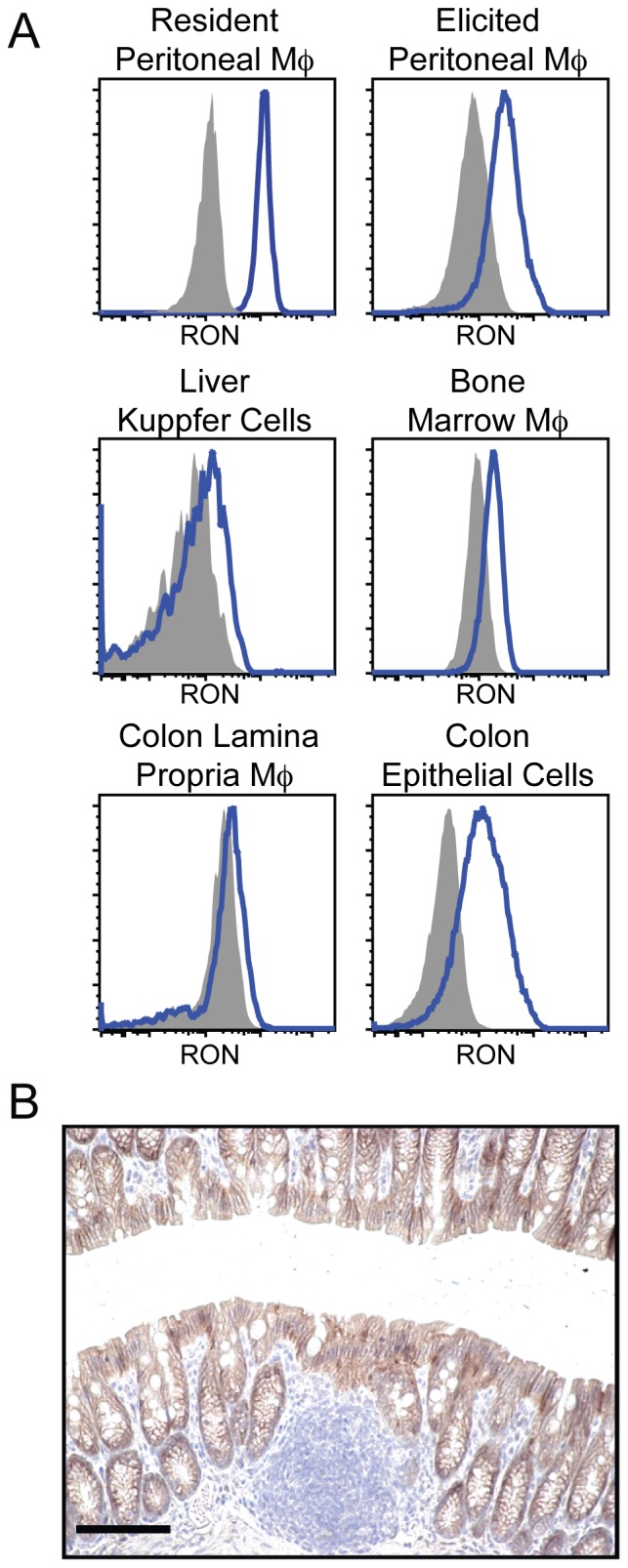
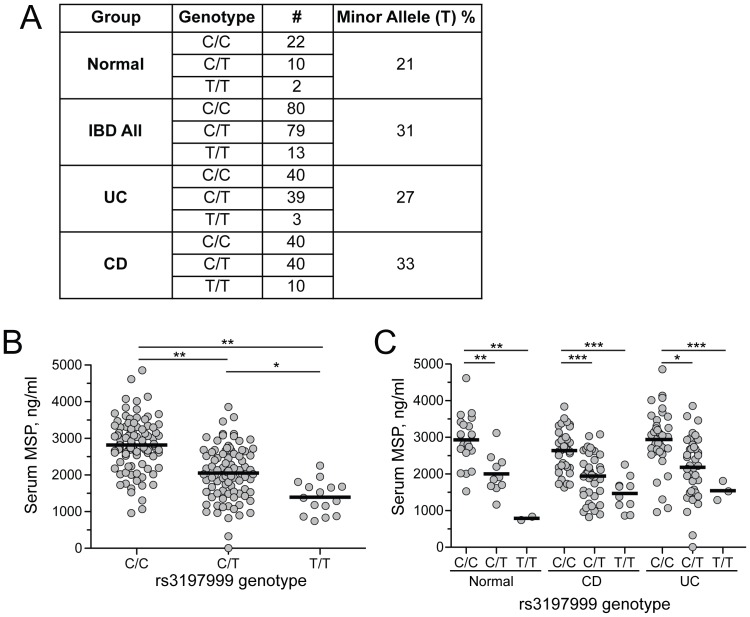
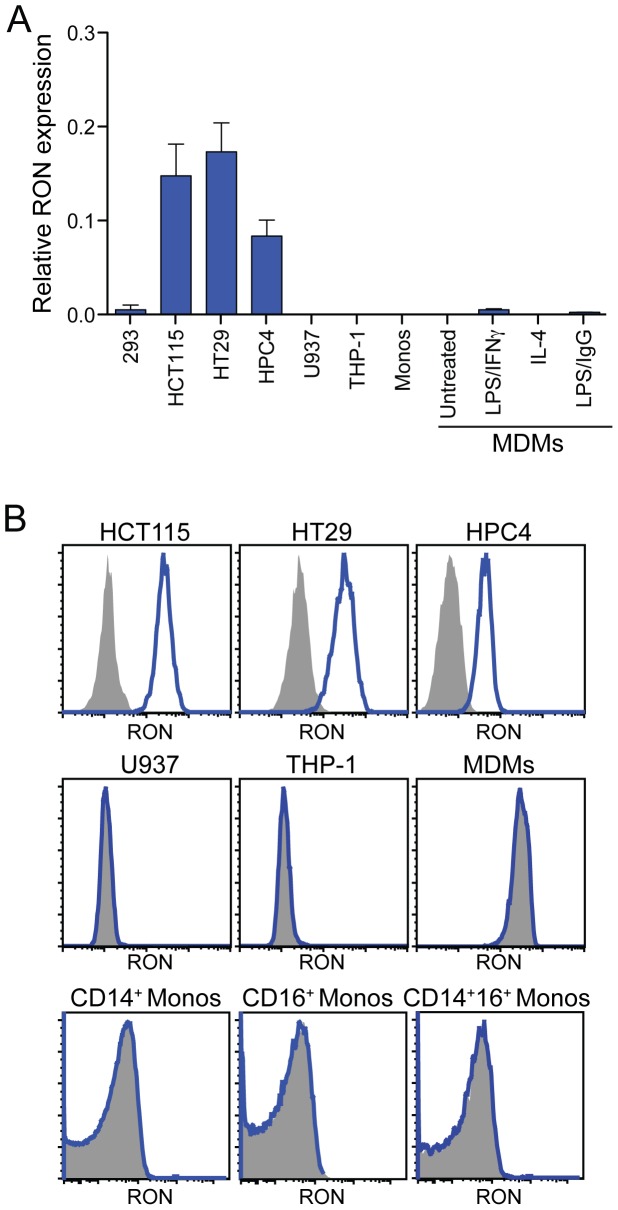
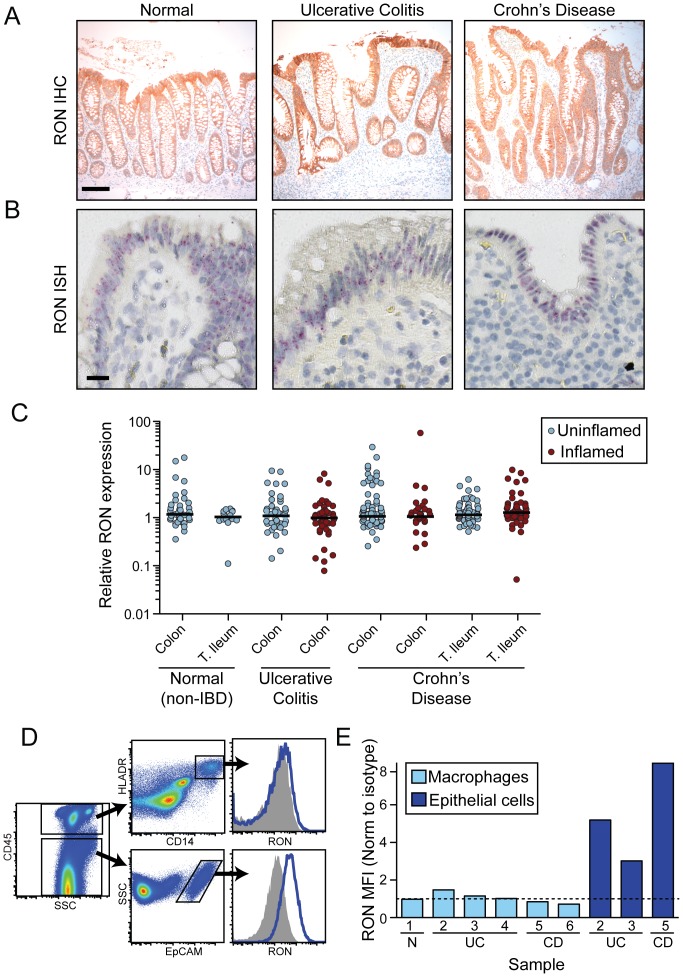
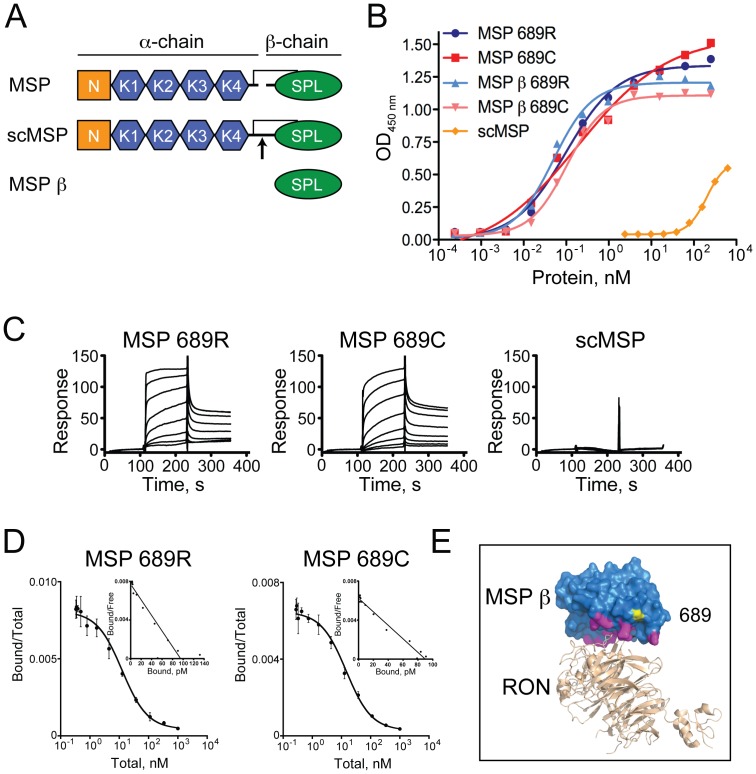
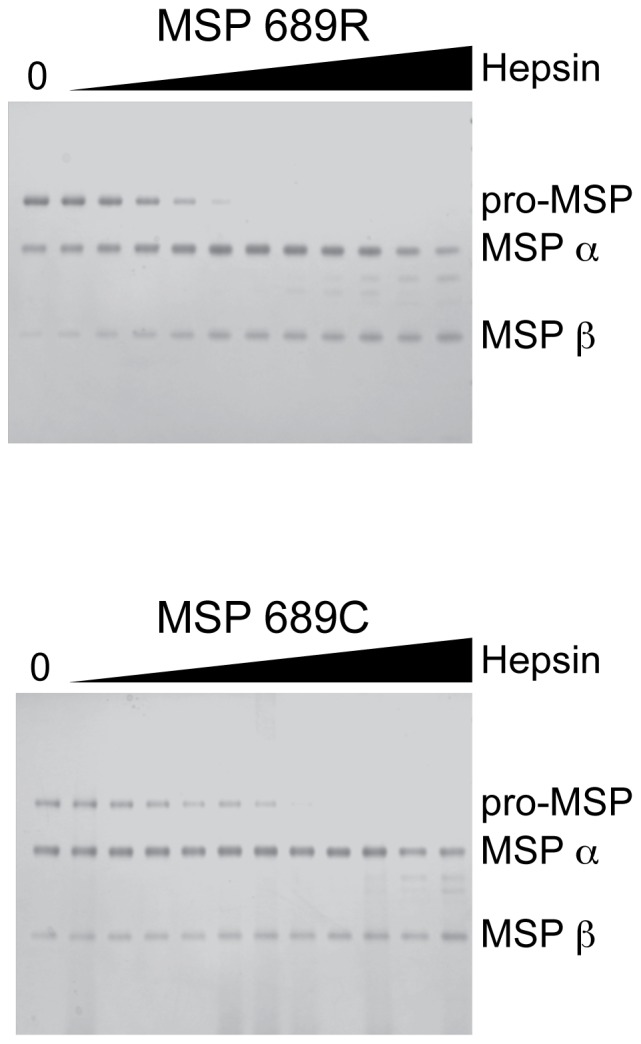
RON expression patterns were examined on mouse and human cells and tissues under normal and disease conditions to identify cell types regulated by MSP-RON. Recombinant MSP variants were tested for their ability to bind and stimulate RON and undergo proteolytic activation. MSP concentrations were quantified in the serum of individuals carrying the MSP 689R and 689C alleles.
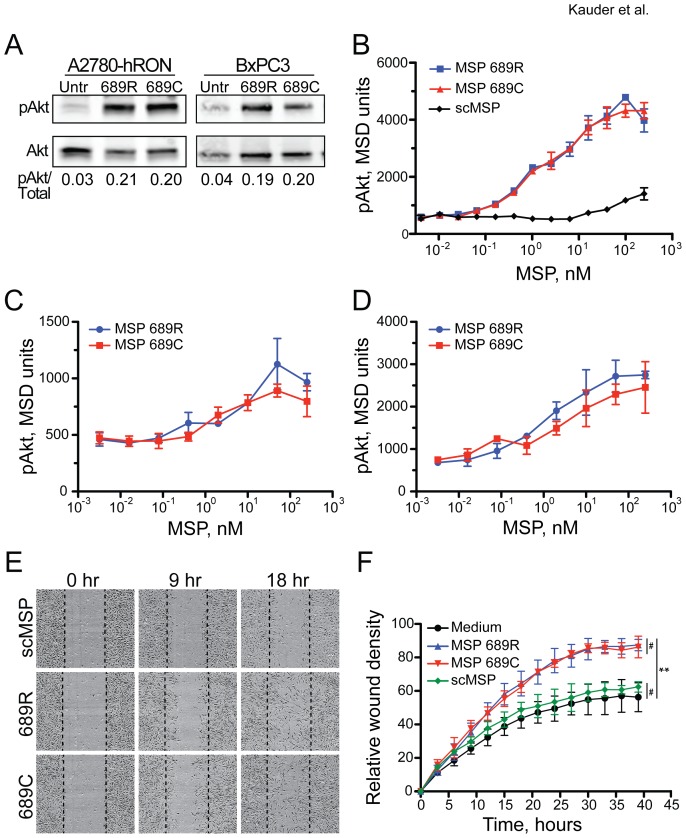
In intestinal tissue, RON was primarily expressed by epithelial cells under normal and disease conditions. The 689C polymorphism had no impact on the ability of MSP to bind to or signal through RON. In a cohort of normal individuals and IBD patients, carriers of the 689C polymorphism had lower concentrations of MSP in their serum.
By reducing the quantities of circulating MSP, the 689C polymorphism, or a variant in linkage disequilibrium with this polymorphism, may impact RON ligand availability and thus receptor activity. Given the known functions of RON in regulating wound healing and our analysis of RON expression patterns in human intestinal tissue, these data suggest that decreased RON activity may impact the efficiency of epithelial repair and thus underlie the increased IBD susceptibility associated with the MSP 689C allele.
巨噬细胞刺激蛋白(MSP)是一种血清生长因子,可与受体酪氨酸激酶——源自南特的受体(RON)结合并激活该受体。MSP中的一个非同义编码变体(689C)与克罗恩病和溃疡性结肠炎这两种主要的炎症性肠病(IBD)的遗传易感性相关,这两种疾病的特征是消化道的慢性炎症。我们研究了这种多态性对MSP-RON信号通路活性和IBD发病机制的影响。
在正常和疾病条件下,对小鼠和人类细胞及组织中的RON表达模式进行检测,以确定受MSP-RON调节的细胞类型。测试重组MSP变体结合和刺激RON以及进行蛋白水解激活的能力。对携带MSP 689R和689C等位基因个体的血清中的MSP浓度进行定量。
在肠道组织中,无论正常还是疾病状态下,RON主要由上皮细胞表达。689C多态性对MSP与RON结合或通过RON发出信号的能力没有影响。在一组正常个体和IBD患者中,携带689C多态性的个体血清中MSP浓度较低。
通过降低循环中MSP的量,689C多态性或与该多态性处于连锁不平衡的变体可能会影响RON配体的可用性,进而影响受体活性。鉴于RON在调节伤口愈合中的已知功能以及我们对人类肠道组织中RON表达模式的分析,这些数据表明RON活性降低可能会影响上皮修复效率,从而成为与MSP 689C等位基因相关的IBD易感性增加的基础。