Department of Orthopaedics and Traumatology, University of Hong Kong, Hong Kong, SAR, China.
Department of Physical and Rehabilitation Medicine, Institute of Clinical Medicine, University of Oulu, and Medical Research Center Oulu, Oulu, Finland.
Global Spine J. 2013 Jun;3(3):133-44. doi: 10.1055/s-0033-1350054. Epub 2013 Jul 17.
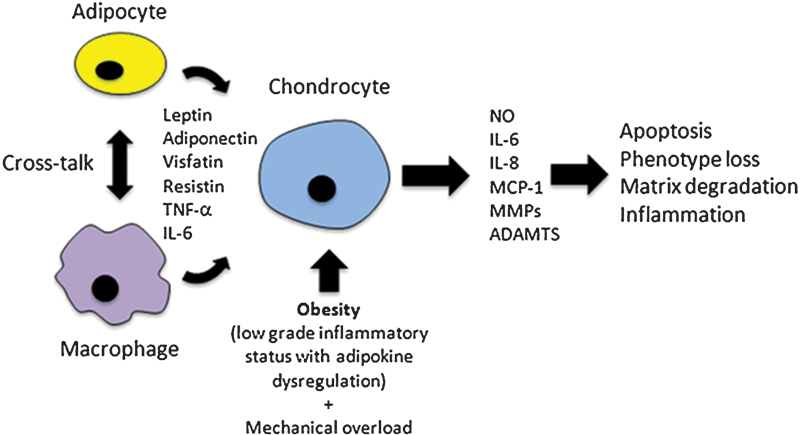
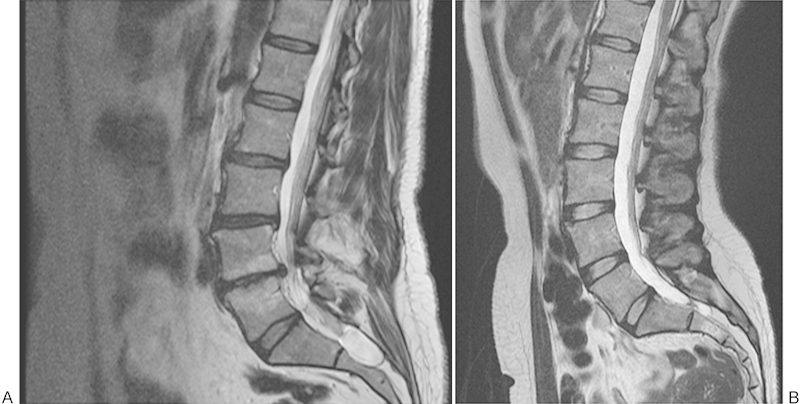
Low back pain (LBP) is the world's most debilitating condition. Disk degeneration has been regarded as a strong determinant associated with LBP. Overweight and obesity are public health concerns that affect every population worldwide and whose prevalence continues to rise. Studies have indicated strong associations between overweight/obesity and disk degeneration as well as with LBP. This broad narrative review article addresses the various mechanisms that may be involved leading to disk degeneration and/or LBP in the setting of overweight/obesity. In particular, our goal is to raise awareness of the role of fat cells and their involvement via altered metabolism or the release of adipokines as well as other pathways that may lead to the development of disk degeneration and LBP. Understanding the role of fat in this process may aid in the development of novel biological therapies and technologies to halt the progression or regenerate the disk. Moreover, with genetic advancements and the appreciation of genetic epidemiology, a more personalized approach to spine care may have to consider the role of fat in any preventative, therapeutic, and/or prognosis modalities toward the disk and LBP.
下背痛(LBP)是世界上最使人虚弱的病症。椎间盘退变被认为是与 LBP 强烈相关的决定因素。超重和肥胖是影响全球每个人群的公共卫生问题,其患病率持续上升。研究表明,超重/肥胖与椎间盘退变以及与 LBP 之间存在强烈关联。这篇广泛的叙述性综述文章探讨了在超重/肥胖情况下,可能导致椎间盘退变和/或 LBP 的各种机制。具体而言,我们的目标是提高对脂肪细胞及其通过改变代谢或释放脂肪因子以及其他可能导致椎间盘退变和 LBP 的途径参与的认识。了解脂肪在这一过程中的作用可能有助于开发新的生物疗法和技术来阻止椎间盘退变的进展或使其再生。此外,随着基因技术的进步和对遗传流行病学的认识,脊柱保健的个性化方法可能需要考虑脂肪在预防、治疗和/或对椎间盘和 LBP 的预后方面的作用。