Manji Rizwan A, Ekser Burcin, Menkis Alan H, Cooper David K C
Department of Surgery, University of Manitoba, Winnipeg, MB, Canada; Cardiac Sciences Program, Winnipeg Regional Health Authority and St. Boniface Hospital, Winnipeg, MB, Canada.
Xenotransplantation. 2014 Jan-Feb;21(1):1-10. doi: 10.1111/xen.12080. Epub 2014 Jan 21.
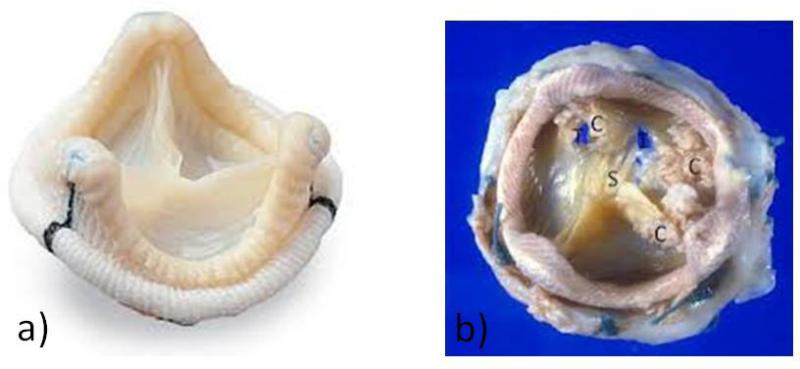
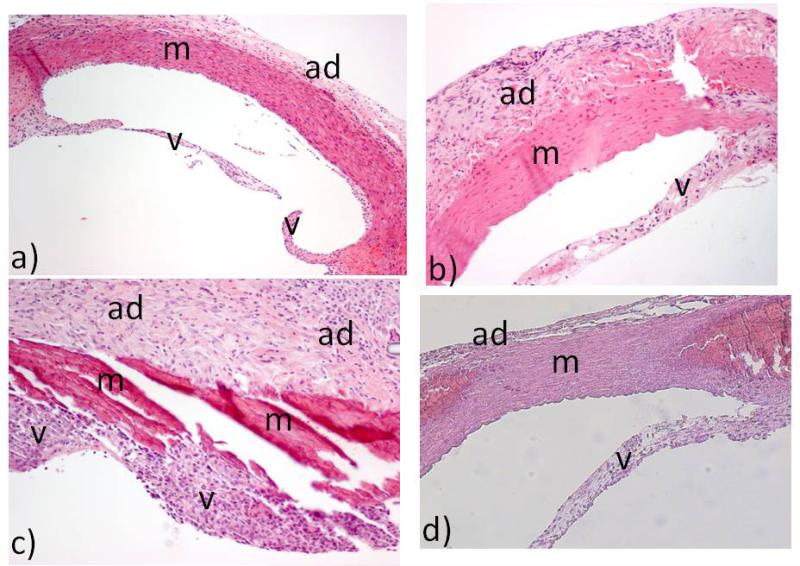
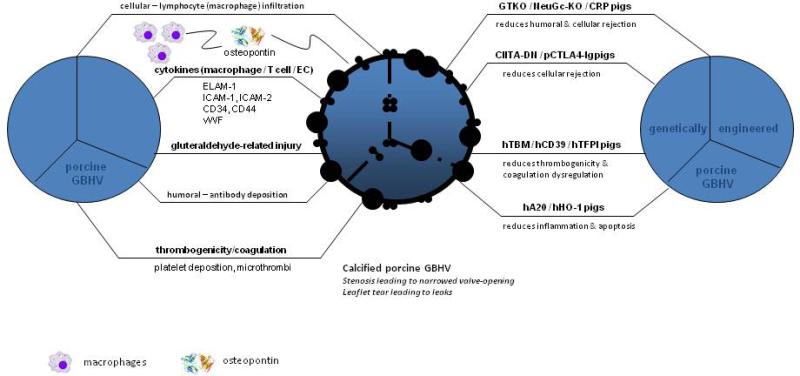
Glutaraldehyde-fixed bioprosthetic heart valves (GBHVs), derived from pigs or cows, undergo structural valve deterioration (SVD) over time, with calcification and eventual failure. It is generally accepted that SVD is due to chemical processes between glutaraldehyde and free calcium ions in the blood. Valve companies have made significant progress in decreasing SVD from calcification through various valve chemical treatments. However, there are still groups of patients (e.g., children and young adults) that have accelerated SVD of GBHV. Unfortunately, these patients are not ideal patients for valve replacement with mechanical heart valve prostheses as they are at high long-term risk from complications of the mandatory anticoagulation that is required. Thus, there is no "ideal" heart valve replacement for children and young adults. GBHVs represent a form of xenotransplantation, and there is increasing evidence that SVD seen in these valves is at least in part associated with xenograft rejection. We review the evidence that suggests that xenograft rejection of GBHVs is occurring, and that calcification of the valve may be related to this rejection. Furthermore, we review recent research into the transplantation of live porcine organs in non-human primates that may be applicable to GBHVs and consider the potential use of genetically modified pigs as sources of bioprosthetic heart valves.
戊二醛固定的生物人工心脏瓣膜(GBHV)取材于猪或牛,随着时间推移会发生结构性瓣膜退变(SVD),出现钙化并最终失效。一般认为,SVD是由于戊二醛与血液中的游离钙离子之间发生化学反应所致。瓣膜公司通过各种瓣膜化学处理在减少钙化引起的SVD方面取得了显著进展。然而,仍有部分患者群体(如儿童和年轻人)GBHV的SVD加速。不幸的是,这些患者并非机械心脏瓣膜假体置换的理想患者,因为他们面临着长期强制抗凝并发症的高风险。因此,对于儿童和年轻人来说,没有“理想”的心脏瓣膜置换物。GBHV代表了一种异种移植形式,越来越多的证据表明,这些瓣膜中出现的SVD至少部分与异种移植排斥有关。我们回顾了表明GBHV发生异种移植排斥以及瓣膜钙化可能与此排斥相关的证据。此外,我们回顾了近期关于在非人类灵长类动物中移植活猪器官的研究,这些研究可能适用于GBHV,并考虑了将基因编辑猪用作生物人工心脏瓣膜来源的潜在用途。