Molecular Biology/Immunology, University of North Texas Health Science Center Fort Worth, TX, USA.
Pediatrics, SUNY Downstate Medical Center Brooklyn, NY, USA.
Front Pediatr. 2013 Mar 21;1:6. doi: 10.3389/fped.2013.00006.
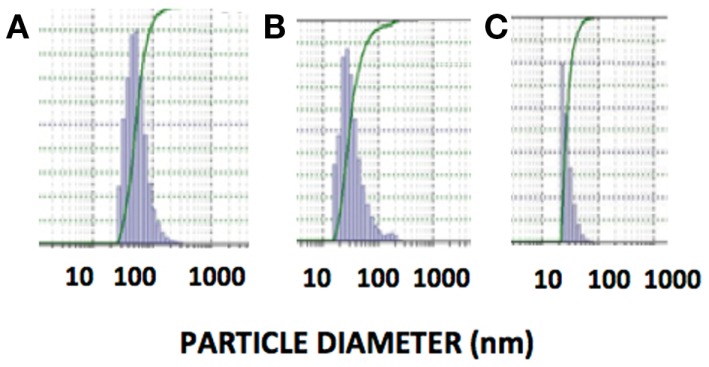
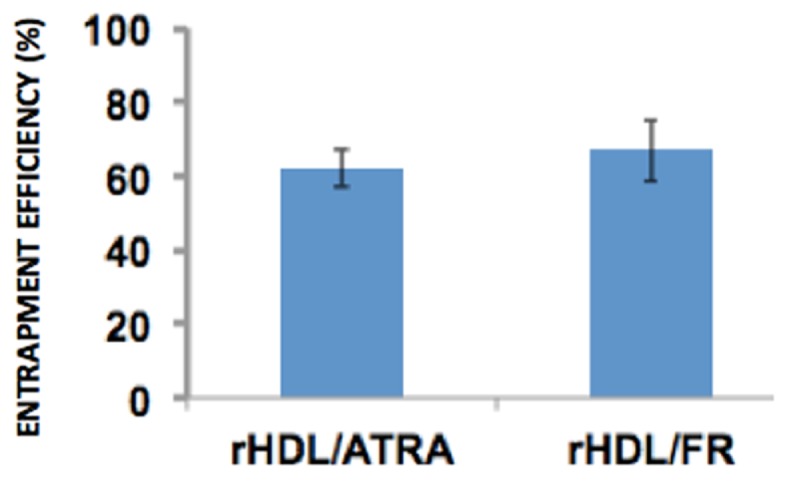
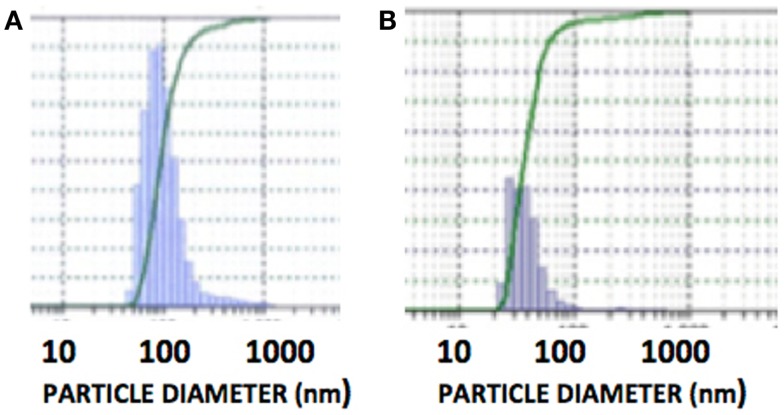
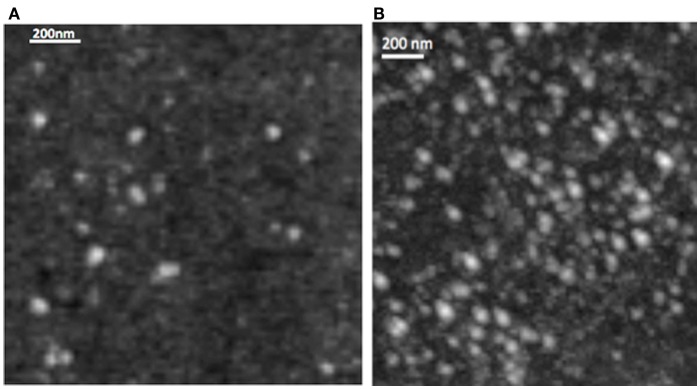
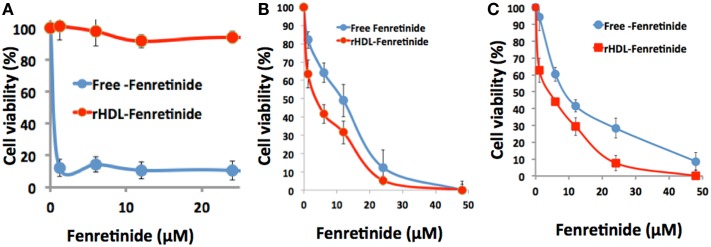
Despite major advances in pediatric cancer research, there has been only modest progress in the survival of children with high risk neuroblastoma (NB) (HRNB). The long term survival rates of HRNB in the United States are still only 30-50%. Due to resistance that often develops during therapy, development of new effective strategies is essential to improve the survival and overcome the tendency of HRNB patients to relapse subsequent to initial treatment. Current chemotherapy regimens also have a serious limitation due to off target toxicity. In the present work, we evaluated the potential application of reconstituted high density lipoprotein (rHDL) containing fenretinide (FR) nanoparticles as a novel approach to current NB therapeutics. The characterization and stability studies of rHDL-FR nanoparticles showed small size (<40 nm) and high encapsulation efficiency. The cytotoxicity studies of free FR vs. rHDL/FR toward the NB cell lines SK-N-SH and SMS-KCNR showed 2.8- and 2-fold lower IC50 values for the rHDL encapsulated FR vs. free FR. More importantly, the IC50 value for retinal pigment epithelial cells (ARPE-19), a recipient of off target toxicity during FR therapy, was over 40 times higher for the rHDL/FR as compared to that of free FR. The overall improvement in in vitro selective therapeutic efficiency was thus about 100-fold upon encapsulation of the drug into the rHDL nanoparticles. These studies support the potential value of this novel drug delivery platform for treating pediatric cancers in general, and NB in particular.
尽管儿科癌症研究取得了重大进展,但高危神经母细胞瘤(NB)(HRNB)患儿的生存率仅略有提高。美国 HRNB 的长期生存率仍仅为 30-50%。由于治疗过程中经常出现耐药性,开发新的有效策略对于提高生存率和克服 HRNB 患者在初始治疗后复发的趋势至关重要。目前的化疗方案也存在严重的局限性,因为存在脱靶毒性。在本工作中,我们评估了含有芬维 A (FR)纳米粒的重组高密度脂蛋白(rHDL)作为一种新的 NB 治疗方法的潜在应用。rHDL-FR 纳米粒的表征和稳定性研究表明,其粒径较小(<40nm)且包封效率高。游离 FR 与 rHDL/FR 对 NB 细胞系 SK-N-SH 和 SMS-KCNR 的细胞毒性研究表明,与游离 FR 相比,rHDL 包封的 FR 的 IC50 值低 2.8-2 倍。更重要的是,与游离 FR 相比,rHDL/FR 对视网膜色素上皮细胞(ARPE-19)的 IC50 值高出 40 多倍,ARPE-19 是 FR 治疗中脱靶毒性的受体。因此,药物包封到 rHDL 纳米粒中后,体外选择性治疗效率总体提高了约 100 倍。这些研究支持这种新型药物递送平台在治疗儿科癌症,特别是 NB 方面的潜在价值。