Melaiu Ombretta, Stebbing Justin, Lombardo Ylenia, Bracci Elisa, Uehara Norihisa, Bonotti Alessandra, Cristaudo Alfonso, Foddis Rudy, Mutti Luciano, Barale Roberto, Gemignani Federica, Giamas Georgios, Landi Stefano
Department of Biology, University of Pisa, Pisa, Italy.
Department of Surgery and Cancer, Imperial College London, London, United Kingdom.
PLoS One. 2014 Jan 21;9(1):e85935. doi: 10.1371/journal.pone.0085935. eCollection 2014.
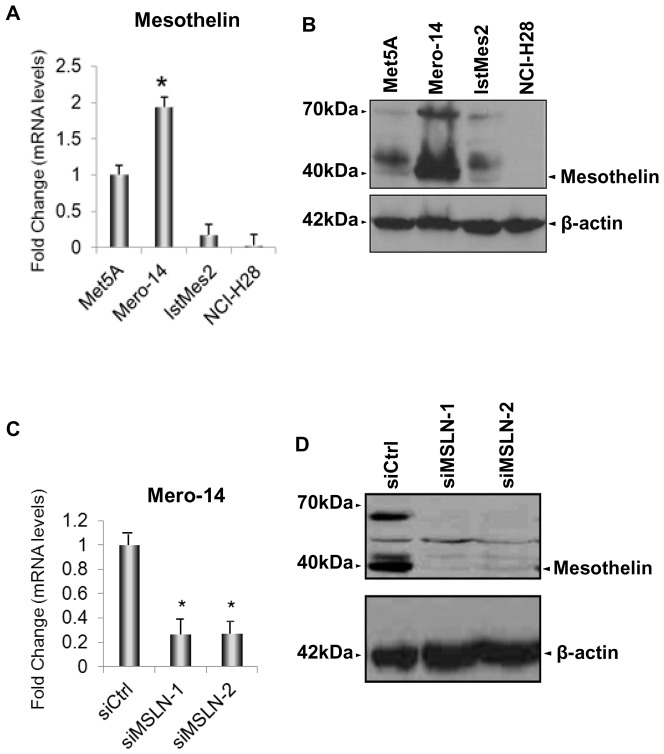
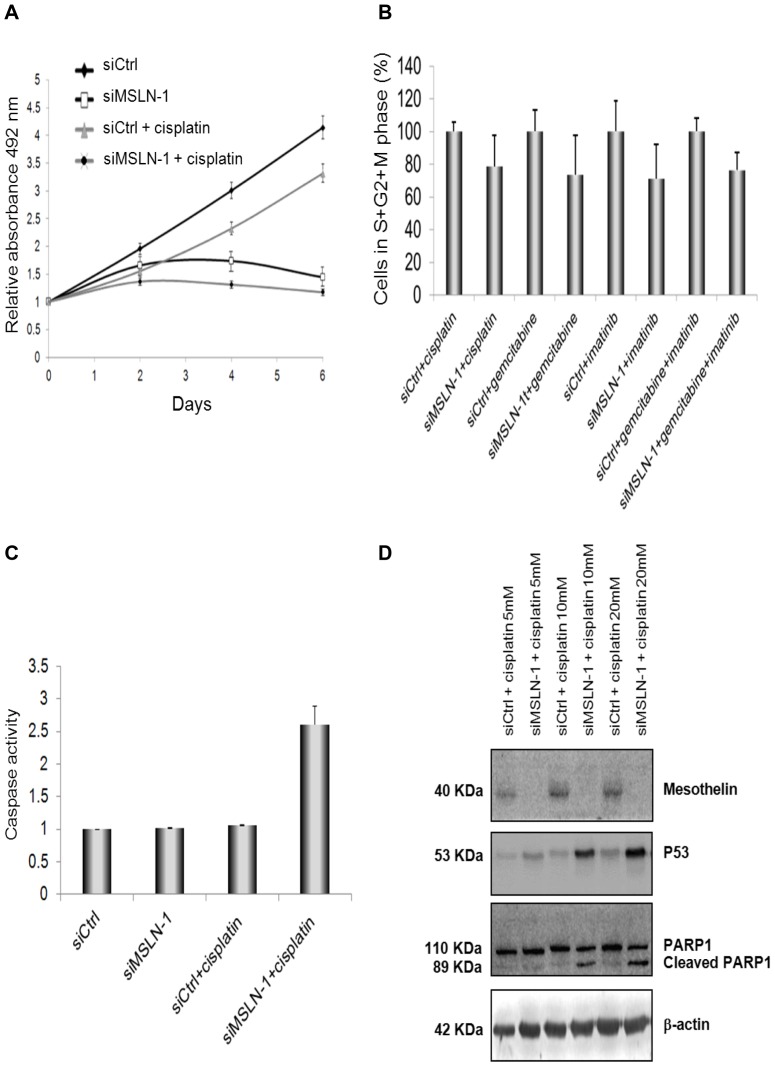
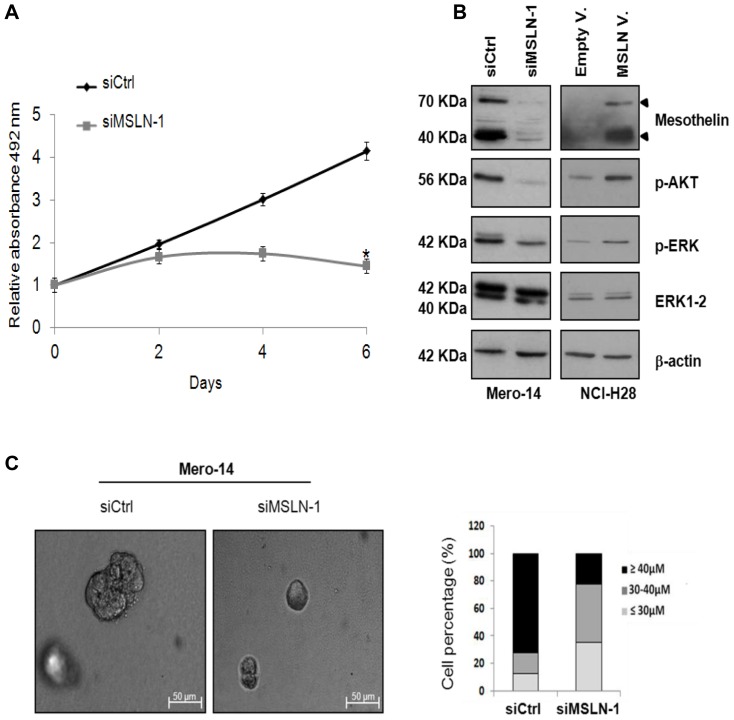
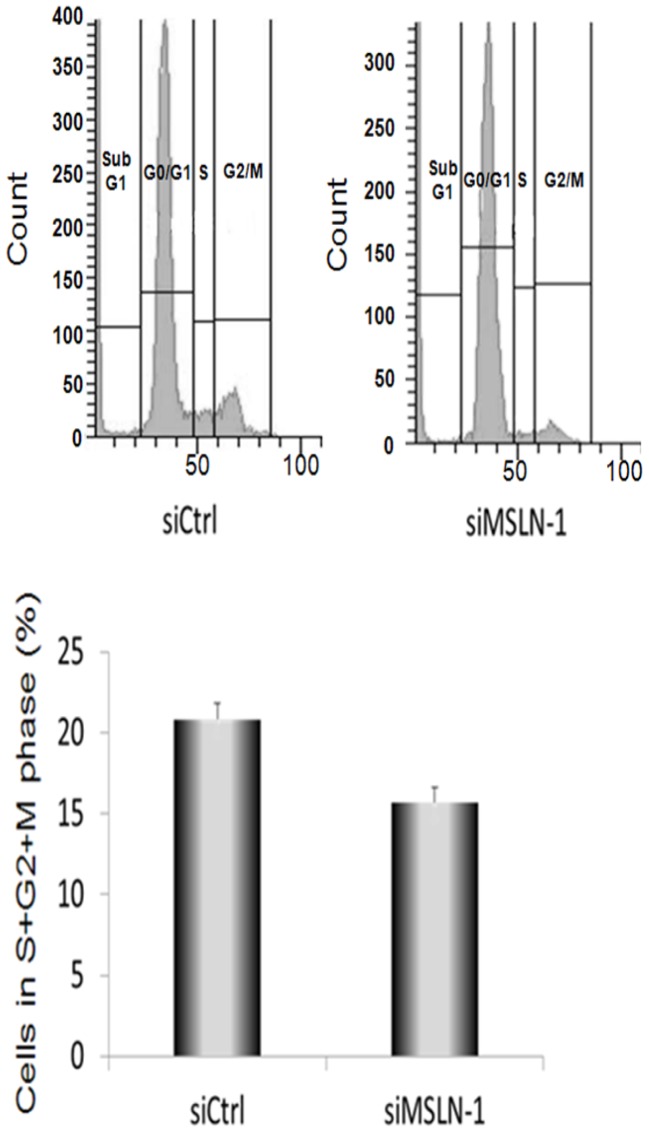
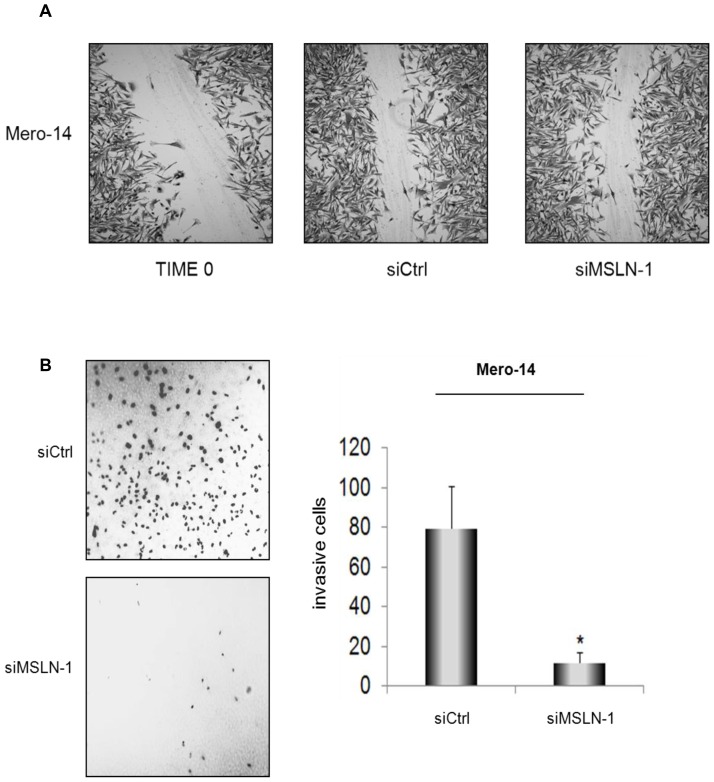
Genes involved in the carcinogenetic mechanisms underlying malignant pleural mesothelioma (MPM) are still poorly characterized. So far, mesothelin (MSLN) has aroused the most interest. It encodes for a membrane glycoprotein, frequently over-expressed in various malignancies such as MPM, and ovarian and pancreatic cancers. It has been proposed as a diagnostic and immunotherapeutic target with promising results. However, an alternative therapeutic approach seems to rise, whereby synthetic molecules, such as antisense oligonucleotides, could be used to inhibit MSLN activity. To date, such a gene-level inhibition has been attempted in two studies only, both on pancreatic and ovarian carcinoma cell lines, with the use of silencing RNA approaches. With regard to MPM, only one cell line (H2373) has been employed to study the effects of MSLN depletion. Indeed, the knowledge on the role of MSLN in MPM needs expanding. Accordingly, we investigated the expression of MSLN in a panel of three MPM cell lines, i.e., NCI-H28, Mero-14, and IstMes2; one non-MPM cell line was used as reference (Met5A). MSLN knock-down experiments on MSLN-overexpressing cells were also performed through silencing RNA (siRNA) to verify whether previous findings could be generalized to a different set of cell cultures. In agreement with previous studies, transient MSLN-silencing caused decreased proliferation rate and reduced invasive capacity and sphere formation in MSLN-overexpressing Mero-14 cells. Moreover, MSLN-siRNA combined with cisplatin, triggered a marked increase in apoptosis and a decrease in proliferation as compared to cells treated with each agent alone, thereby suggesting a sensitizing effect of siRNA towards cisplatin. In summary, our findings confirm that MSLN should be considered a key molecular target for novel gene-based targeted therapies of cancer.
与恶性胸膜间皮瘤(MPM)潜在致癌机制相关的基因仍未得到充分表征。到目前为止,间皮素(MSLN)引起了最大的关注。它编码一种膜糖蛋白,在多种恶性肿瘤中经常过度表达,如MPM、卵巢癌和胰腺癌。它已被提议作为一种诊断和免疫治疗靶点,并取得了有前景的结果。然而,一种替代治疗方法似乎正在兴起,即可以使用合成分子,如反义寡核苷酸,来抑制MSLN活性。迄今为止,仅在两项研究中尝试了这种基因水平的抑制,均针对胰腺和卵巢癌细胞系,采用了RNA干扰方法。关于MPM,仅使用了一种细胞系(H2373)来研究MSLN缺失的影响。事实上,关于MSLN在MPM中作用的知识需要扩展。因此,我们研究了MSLN在一组三种MPM细胞系中的表达,即NCI-H28、Mero-14和IstMes2;使用一种非MPM细胞系作为对照(Met5A)。还通过RNA干扰(siRNA)对MSLN过表达的细胞进行了MSLN敲低实验,以验证先前的发现是否可以推广到不同的细胞培养物中。与先前的研究一致,短暂的MSLN沉默导致MSLN过表达的Mero-14细胞的增殖率降低、侵袭能力减弱和球体形成减少。此外,与单独使用每种药物处理的细胞相比,MSLN-siRNA与顺铂联合使用可显著增加细胞凋亡并降低增殖,从而表明siRNA对顺铂具有增敏作用。总之,我们的研究结果证实,MSLN应被视为基于基因的新型癌症靶向治疗的关键分子靶点。