Musie Edgar, Moore Christopher C, Martin Edward N, Scheld W Michael
University of Venda, Department of Microbiology, Venda, South Africa.
University of Virginia, Department of Medicine, Division of Infectious Diseases and International Health, Charlottesville, Virginia, United States of America.
PLoS One. 2014 Jan 21;9(1):e86015. doi: 10.1371/journal.pone.0086015. eCollection 2014.
Endotoxin tolerance improves outcomes from gram negative sepsis but the underlying mechanism is not known. We determined if endotoxin tolerance before or after pneumococcal sepsis improved survival and the role of lymphocytes in this protection.
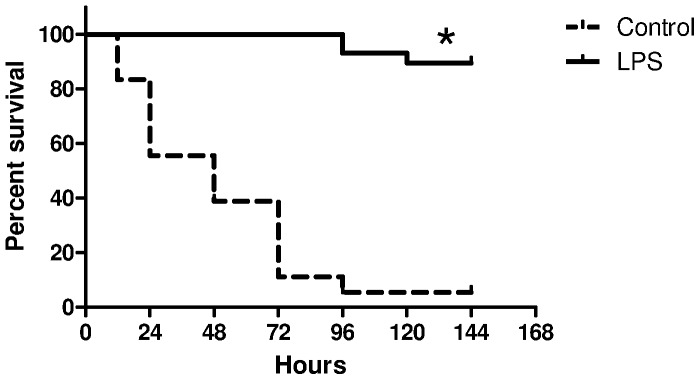
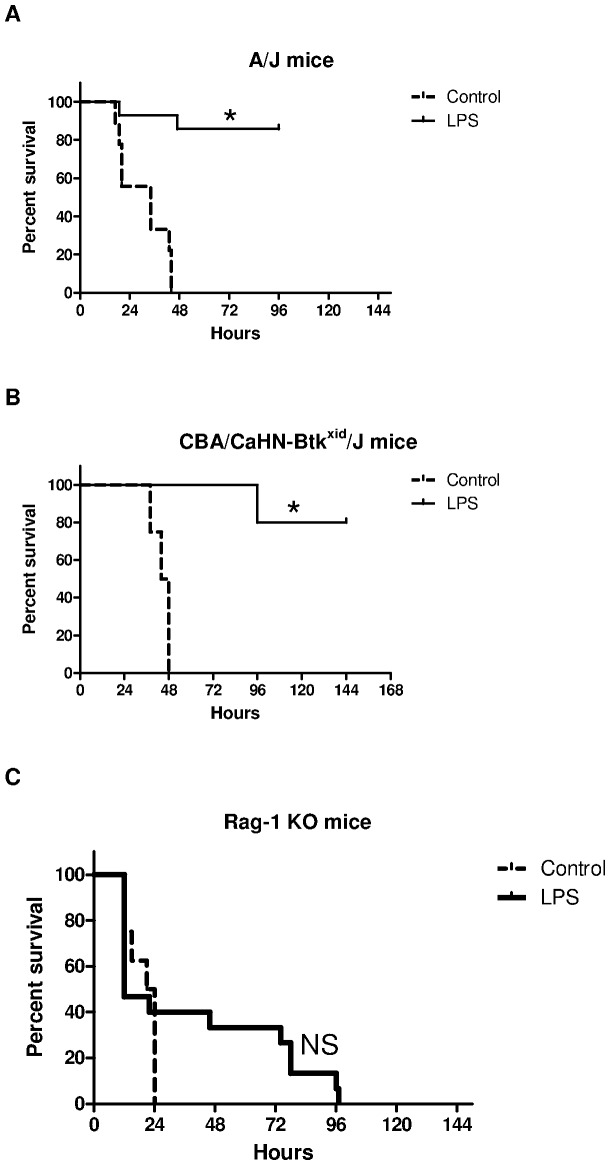
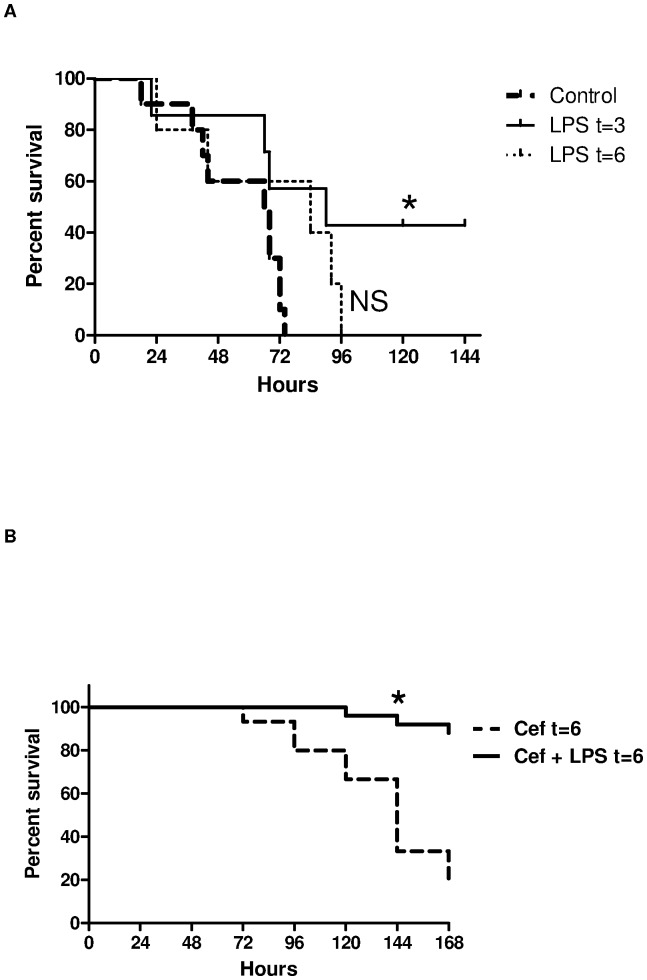
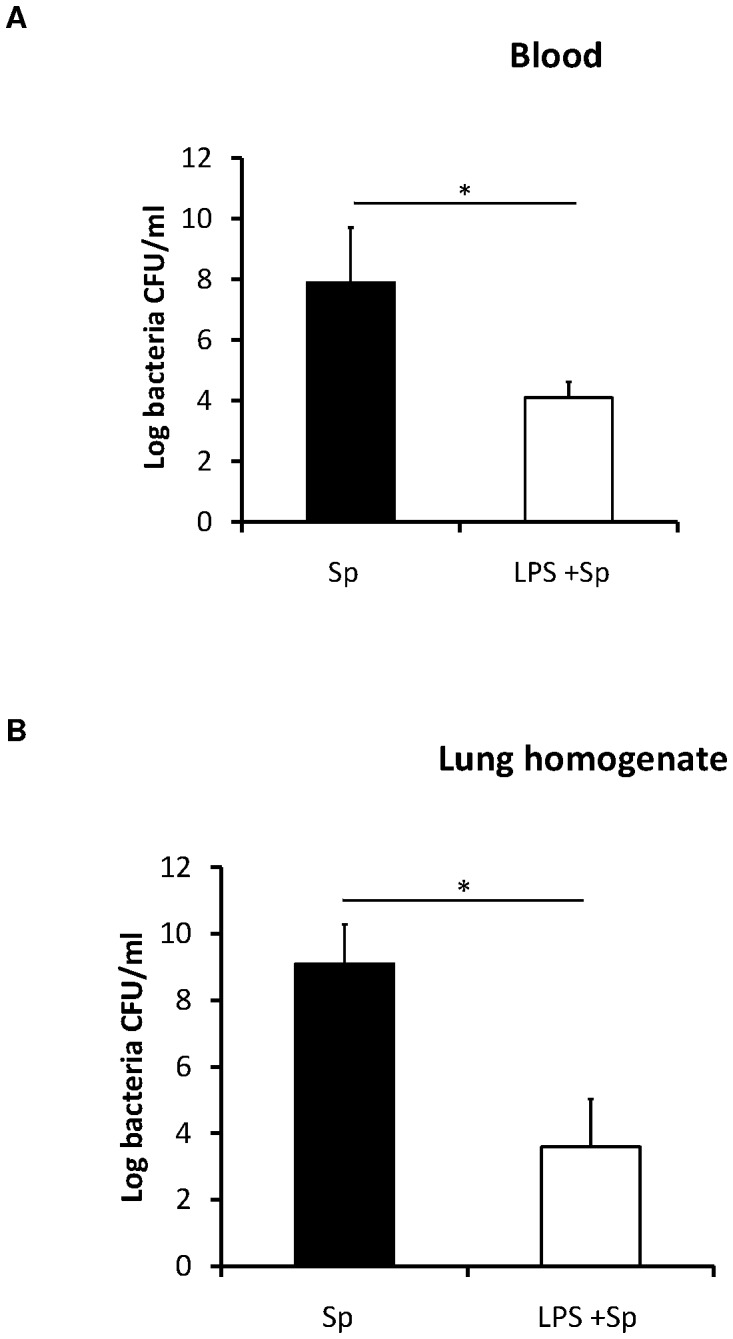
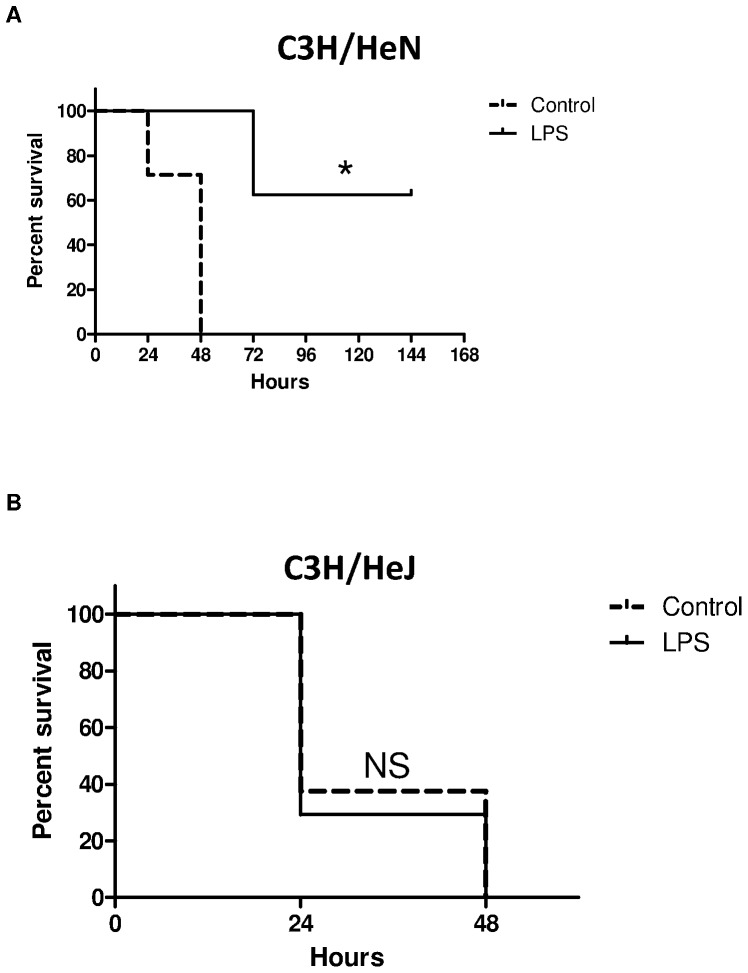
Mice received lipopolysaccharide (LPS) or vehicle before or after a lethal dose of Streptococcus pneumoniae. Survival, quantitative bacteriology, liver function, and cytokine concentrations were measured. We confirmed the necessity of Toll-like receptor 4 (TLR4) for endotoxin tolerance using C3H/HeN (TLR4 replete) and C3H/HeJ (TLR4 deficient) mice. The role of complement was investigated through A/J mice deficient in C5 complement. CBA/CaHN-Btk(xid/)/J mice with dysfunctional B cells and Rag-1 knockout (KO) mice deficient in T and B cells delineated the role of lymphocytes.
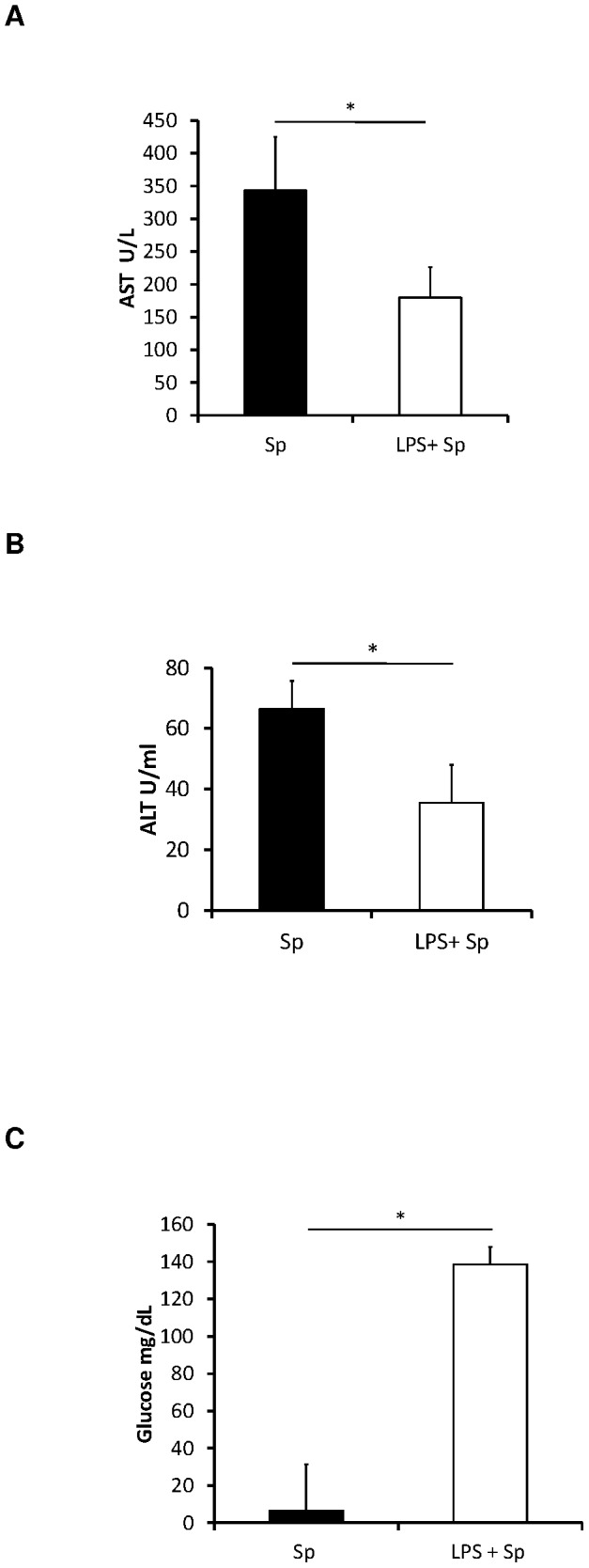
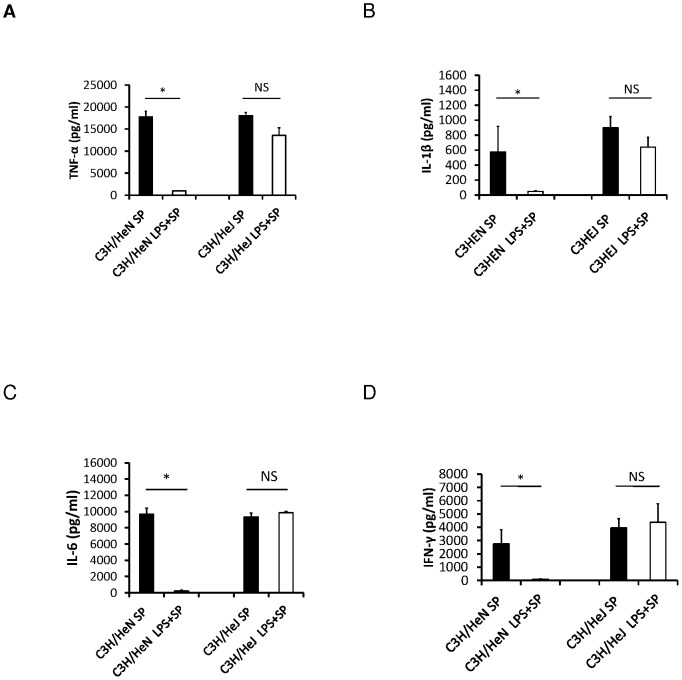
Endotoxin tolerance improved survival from pneumococcal sepsis in mice with TLR4 that received LPS pretreatment or posttreatment. Survival was associated with reduced bacterial burden and serum cytokine concentrations. Death was associated with abnormal liver function and blood glucose concentrations. Endotoxin tolerance improved survival in A/J and CBA/CaHN-Btk(xid/)/J mice but not Rag-1 KO mice.
TLR4 stimulation before or after S. pneumoniae infection improved survival and was dependent on T-cells but did not require an intact complement cascade or functional B cells.
内毒素耐受可改善革兰氏阴性菌败血症的预后,但其潜在机制尚不清楚。我们研究了肺炎球菌败血症之前或之后的内毒素耐受是否能提高生存率,以及淋巴细胞在这种保护作用中的作用。
小鼠在接受致死剂量的肺炎链球菌之前或之后接受脂多糖(LPS)或赋形剂。测量生存率、定量细菌学、肝功能和细胞因子浓度。我们使用C3H/HeN(TLR4充足)和C3H/HeJ(TLR4缺陷)小鼠证实了Toll样受体4(TLR4)对内毒素耐受的必要性。通过缺乏C5补体的A/J小鼠研究补体的作用。具有功能失调B细胞的CBA/CaHN-Btk(xid/)/J小鼠和缺乏T细胞和B细胞的Rag-1基因敲除(KO)小鼠明确了淋巴细胞的作用。
在内毒素耐受的情况下,接受LPS预处理或后处理的TLR4小鼠对肺炎球菌败血症的生存率有所提高。生存率与细菌载量和血清细胞因子浓度降低有关。死亡与肝功能异常和血糖浓度有关。内毒素耐受提高了A/J和CBA/CaHN-Btk(xid/)/J小鼠的生存率,但对Rag-1基因敲除小鼠没有影响。
肺炎链球菌感染之前或之后的TLR4刺激可提高生存率,且依赖于T细胞,但不需要完整的补体级联反应或功能性B细胞。