Morgenthau Ari, Beddek Amanda, Schryvers Anthony B
Department of Microbiology and Infectious Diseases, University of Calgary, Calgary, Alberta, Canada.
PLoS One. 2014 Jan 20;9(1):e86243. doi: 10.1371/journal.pone.0086243. eCollection 2014.
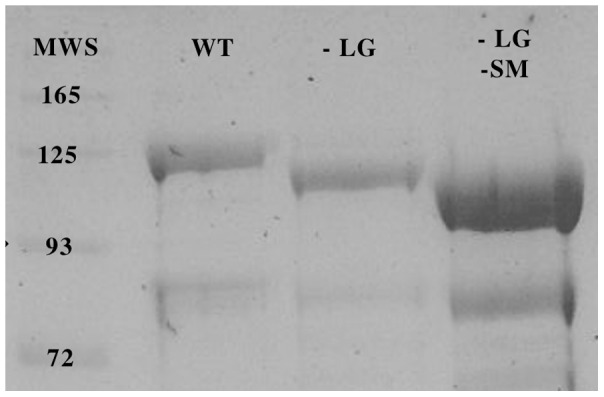
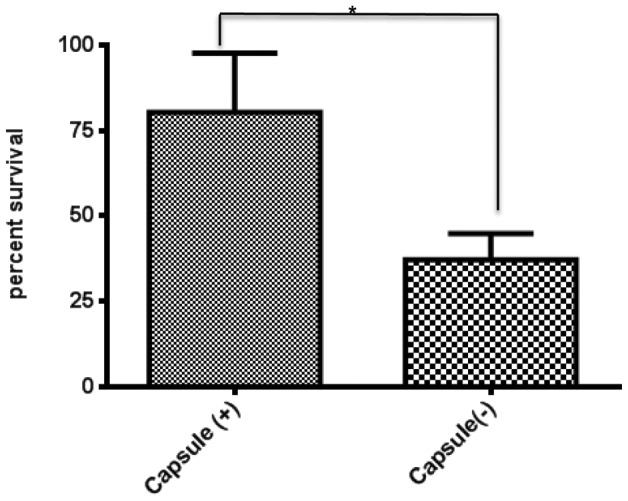
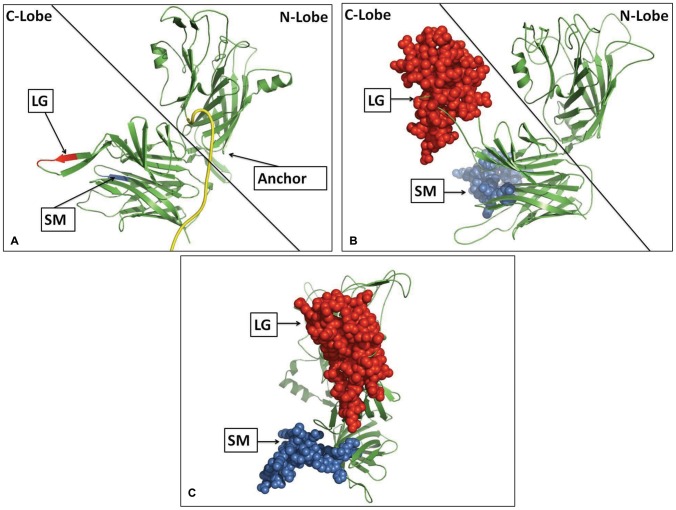
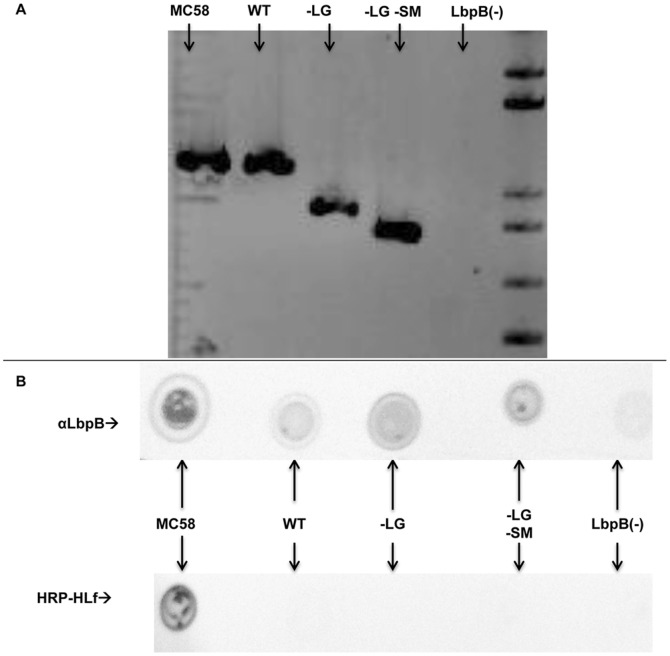
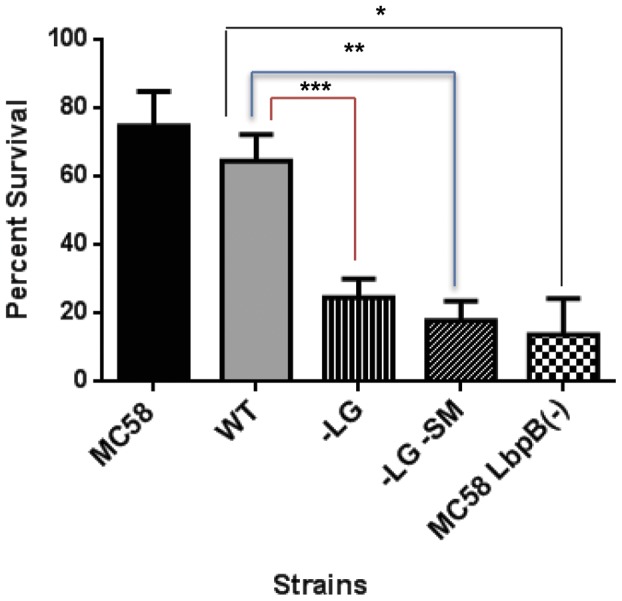
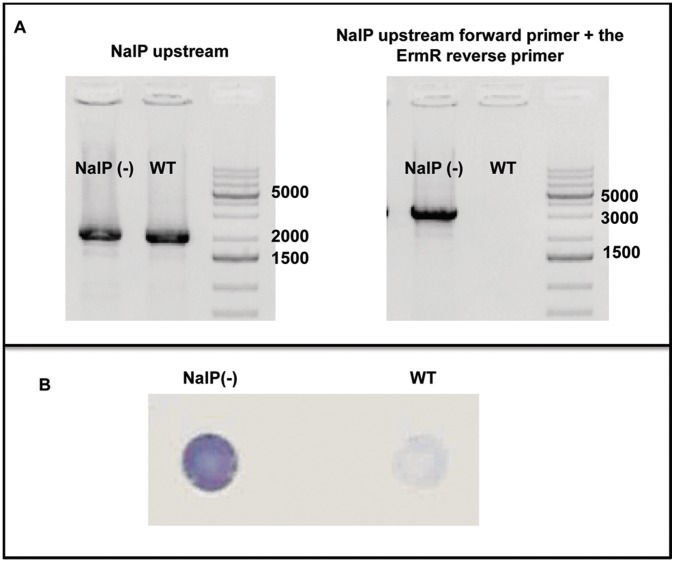
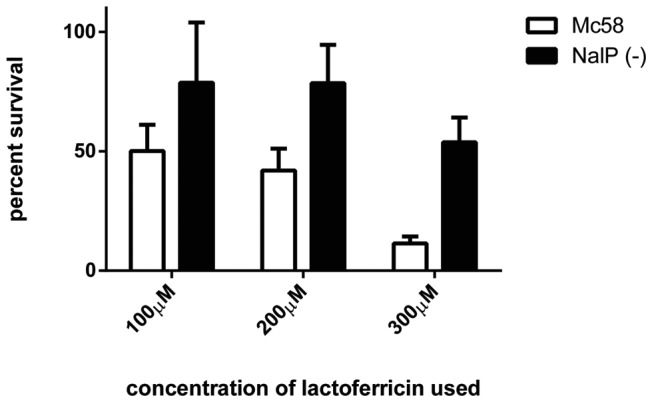
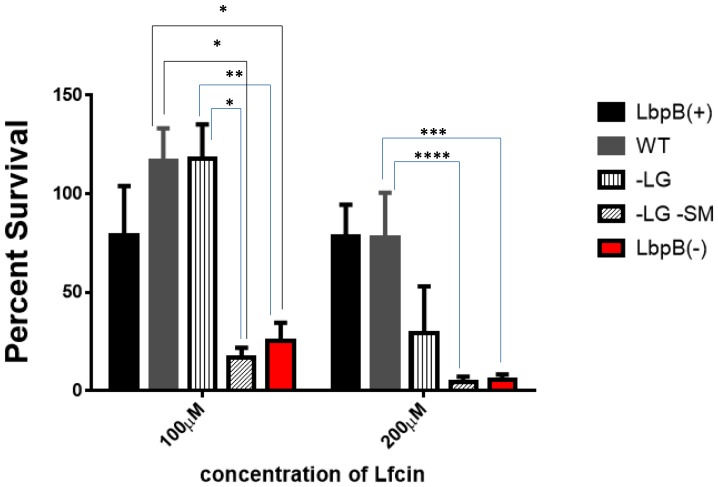
Lactoferrin binding protein B (LbpB) is a bi-lobed membrane bound lipoprotein that is part of the lactoferrin receptor complex in a variety of Gram-negative pathogens. Despite high sequence diversity among LbpBs from various strains and species, a cluster of negatively charged amino acids is invariably present in the protein's C-terminal lobe in all species except Moraxella bovis. The function of LbpB in iron acquisition has yet to be experimentally demonstrated, whereas in vitro studies have shown that LbpB confers protection against lactoferricin, a short cationic antimicrobial peptide released from the N- terminus of lactoferrin. In this study we demonstrate that the negatively charged regions can be removed from the Neisseria meningitidis LbpB without compromising stability, and this results in the inability of LbpB to protect against the bactericidal effects of lactoferricin. The release of LbpB from the cell surface by the autotransporter NalP reduces the protection against lactoferricin in the in vitro killing assay, attributed to removal of LbpB during washing steps, but is unlikely to have a similar impact in vivo. The protective effect of the negatively charged polysaccharide capsule in the killing assay was less than the protection conferred by LbpB, suggesting that LbpB plays a major role in protection against cationic antimicrobial peptides in vivo. The selective release of LbpB by NalP has been proposed to be a mechanism for evading the adaptive immune response, by reducing the antibody binding to the cell surface, but may also provide insights into the primary function of LbpB in vivo. Although TbpB and LbpB have been shown to be major targets of the human immune response, the selective release of LbpB suggests that unlike TbpB, LbpB may not be essential for iron acquisition, but important for protection against cationic antimicrobial peptides.
乳铁蛋白结合蛋白B(LbpB)是一种双叶膜结合脂蛋白,是多种革兰氏阴性病原体中乳铁蛋白受体复合物的一部分。尽管来自不同菌株和物种的LbpB之间存在高度的序列多样性,但除牛莫拉菌外,所有物种的该蛋白C端叶中都始终存在一簇带负电荷的氨基酸。LbpB在铁摄取中的功能尚未通过实验得到证实,而体外研究表明,LbpB能抵御乳铁素,乳铁素是一种从乳铁蛋白N端释放的短阳离子抗菌肽。在本研究中,我们证明可以从脑膜炎奈瑟菌LbpB中去除带负电荷的区域而不影响其稳定性,这导致LbpB无法抵御乳铁素的杀菌作用。自转运蛋白NalP将LbpB从细胞表面释放,在体外杀伤试验中降低了对乳铁素的保护作用,这归因于洗涤步骤中LbpB的去除,但在体内不太可能有类似影响。带负电荷的多糖荚膜在杀伤试验中的保护作用小于LbpB提供的保护作用,这表明LbpB在体内抵御阳离子抗菌肽方面起主要作用。有人提出NalP对LbpB的选择性释放是逃避适应性免疫反应的一种机制,通过减少抗体与细胞表面的结合,但这也可能为LbpB在体内的主要功能提供见解。尽管已证明转铁蛋白结合蛋白B(TbpB)和乳铁蛋白结合蛋白B(LbpB)是人类免疫反应的主要靶点,但LbpB的选择性释放表明,与TbpB不同,LbpB可能对铁摄取不是必需的,但对抵御阳离子抗菌肽很重要。