Bollati Valentina, Angelici Laura, Rizzo Giovanna, Pergoli Laura, Rota Federica, Hoxha Mirjam, Nordio Francesco, Bonzini Matteo, Tarantini Letizia, Cantone Laura, Pesatori Angela C, Apostoli Pietro, Baccarelli Andrea A, Bertazzi Pier Alberto
Center of Molecular and Genetic Epidemiology, Department of Clinical Sciences and Community Health, Università degli Studi di Milano, Milan, Italy; Epidemiology Unit, Fondazione Cà Granda IRCCS Ospedale Maggiore Policlinico, Milan, Italy.
J Appl Toxicol. 2015 Jan;35(1):59-67. doi: 10.1002/jat.2987. Epub 2014 Feb 7.
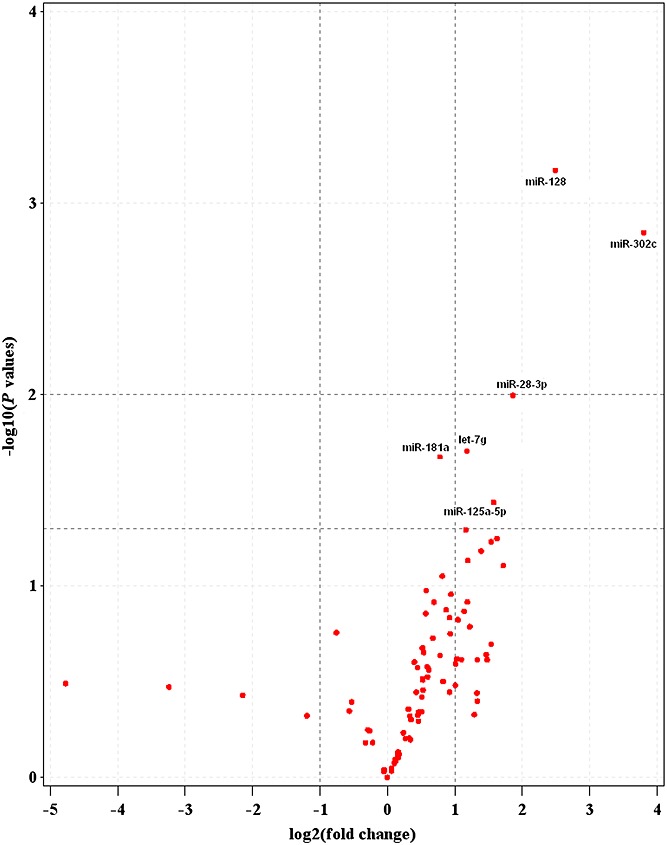
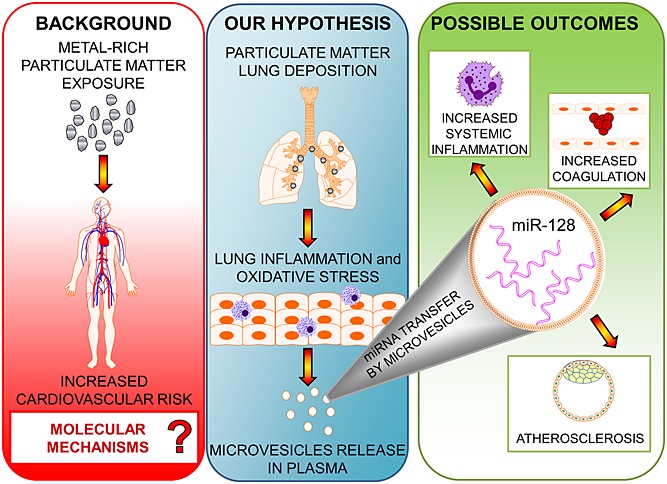
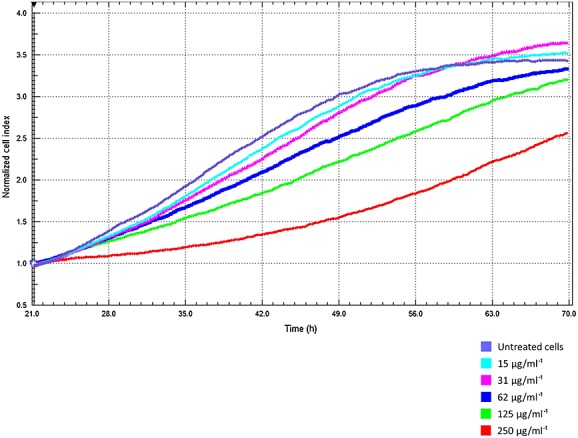
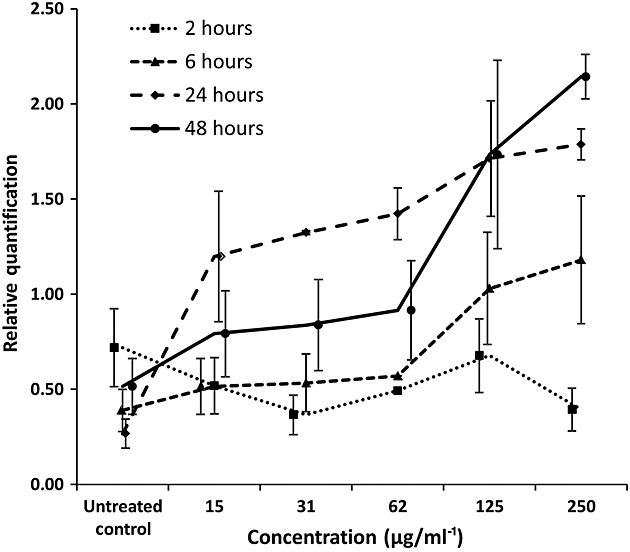
Cardiovascular disease risk has been consistently linked with particulate matter (PM) exposure. Cell-derived microvesicles (MVs) are released into plasma and transfer microRNAs (miRNAs) between tissues. MVs can be produced by the respiratory system in response to proinflammatory triggers, enter the circulatory system and remotely modify gene expression in cardiovascular tissues. However, whether PM affects MV signaling has never been investigated. In this study, we evaluated expression of microRNAs contained within plasma MVs upon PM exposure both in vivo and in vitro. In the in vivo study, we isolated plasma MVs from healthy steel plant workers before and after workplace PM exposure. We measured the expression of 88 MV-associated miRNAs by real-time polymerase chain reaction. To assess a possible source of the MV miRNAs identified in vivo, we measured their miRNA expression in PM-treated A549 pulmonary cell lines in vitro. MiRNA profiling of plasma MVs showed 5.62- and 13.95-fold increased expression of miR-128 and miR-302c, respectively, after 3 days of workplace PM exposure (P < 0.001). According to Ingenuity Pathway Analysis, miR-128 is part of coronary artery disease pathways, and miR-302c is part of coronary artery disease, cardiac hypertrophy and heart failure pathways. In vitro experiments confirmed a dose-dependent expression of miR-128 in MVs released from A549 cells after 6 h of PM treatment (P = 0.030). MiR-302c was expressed neither from A549 cells nor in reference lung RNA. These results suggest novel PM-activated molecular mechanisms that may mediate the effects of air pollution and could lead to the identification of new diagnostic and therapeutic interventions.
心血管疾病风险一直与接触颗粒物(PM)有关。细胞衍生的微泡(MVs)被释放到血浆中,并在组织间传递微小RNA(miRNAs)。MVs可由呼吸系统在促炎刺激下产生,进入循环系统并远程改变心血管组织中的基因表达。然而,PM是否影响MV信号传导从未被研究过。在本研究中,我们在体内和体外评估了PM暴露后血浆MVs中所含miRNAs的表达。在体内研究中,我们在健康钢铁厂工人工作场所PM暴露前后分离血浆MVs。我们通过实时聚合酶链反应测量了88种与MV相关的miRNAs的表达。为了评估体内鉴定出的MV miRNAs的可能来源,我们在体外测量了它们在PM处理的A549肺细胞系中的miRNA表达。血浆MVs的miRNA谱显示,工作场所PM暴露3天后,miR-128和miR-302c的表达分别增加了5.62倍和13.95倍(P < 0.001)。根据 Ingenuity 通路分析,miR-128是冠状动脉疾病通路的一部分,miR-302c是冠状动脉疾病、心肌肥大和心力衰竭通路的一部分。体外实验证实,PM处理6小时后,A549细胞释放的MVs中miR-128呈剂量依赖性表达(P = 0.030)。A549细胞和参考肺RNA中均未表达miR-302c。这些结果提示了新的PM激活分子机制,可能介导空气污染的影响,并可能导致新的诊断和治疗干预措施的识别。