Universidade Estadual de Santa Cruz, Rodovia Ilhéus-Itabuna Km 16-Salobrinho, Ilhéus, Bahia, Brazil.
Virol J. 2014 Feb 13;11:28. doi: 10.1186/1743-422X-11-28.
As the most frequent pathway of vertical transmission of HTLV-1 is breast-feeding, and considering the higher prevalence in women, it is very important to perform screening examinations for anti-HTLV-1 antibodies as part of routine prenatal care. So far, no studies of HTLV-1 seroprevalence in pregnant women in the Southern region of Bahia, Brazil, have been described.
Pregnant women were selected at the two regional reference centers for health care from Southern Bahia. A total of 2766 pregnant women attending the antenatal unit between November 2008 and May 2010 have been analyzed. An extra blood sample was drawn during their routine antenatal testing. A standardized questionnaire was applied and all positive plasma samples were tested by ELISA and were confirmed by Western Blot and PCR. Besides that, positive women were contacted and visited. The family members that were present during the visit were asked to be serologically screened to the virus. A prospective study was also carried out and newborns were followed up to two years for evaluation of vertical transmission.
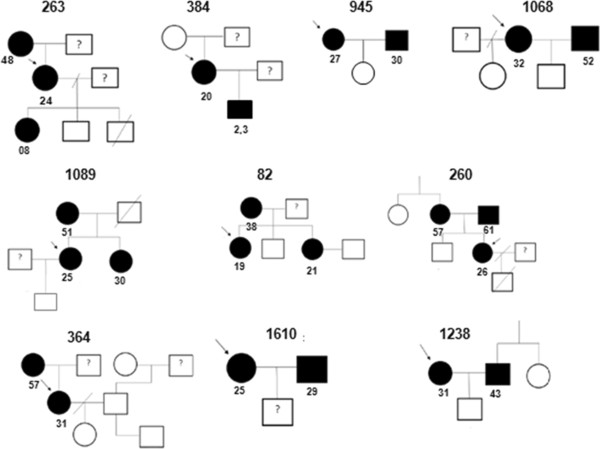
HTLV prevalence was 1.05% (CI 95%: 0.70-1.50). There was no association of HTLV-1 infection with age, education, income and ethnic differences. The association with marital status was borderline (OR = 7.99; 95% CI 1.07-59.3; p = 0.042). In addition, 43 family members of the HTLV-1 seropositive women have been analyzed and specific reactivity was observed in 32.56%, including two children from previous pregnancy.
It is very important to emphasize that the lack of HTLV-1 screening in pregnant women can promote HTLV transmission especially in endemic areas. HTLV screening in this vulnerable population and the promotion of bottle-feeding for children of seropositive mothers could be important cost-effective methods to limit the vertical transmission. Besides that, our data reinforce the need to establish strategies of active surveillance in household and family contacts as important epidemiological surveillance actions for the early detection of virus infection and the prevention of transmission by sexual or and parenteral contact.
由于 HTLV-1 的垂直传播最常见的途径是母乳喂养,而且考虑到女性中的发病率较高,因此在常规产前护理中进行抗 HTLV-1 抗体筛查非常重要。迄今为止,巴西巴伊亚州南部地区孕妇的 HTLV-1 血清流行率尚无研究描述。
从巴伊亚州南部的两个区域参考中心选择孕妇。分析了 2008 年 11 月至 2010 年 5 月间在产前病房就诊的 2766 名孕妇。在常规产前检查期间抽取了额外的血样。应用了标准化问卷,所有阳性血浆样本均通过 ELISA 进行检测,并通过 Western Blot 和 PCR 进行确认。此外,还联系并访视了阳性妇女。访问期间在场的家属被要求进行病毒血清学筛查。还进行了一项前瞻性研究,对新生儿进行了两年的随访,以评估垂直传播情况。
HTLV 流行率为 1.05%(95%CI:0.70-1.50)。HTLV-1 感染与年龄、教育、收入和种族差异无关。与婚姻状况的关联具有边缘性(OR=7.99;95%CI 1.07-59.3;p=0.042)。此外,对 43 名 HTLV-1 血清阳性妇女的家属进行了分析,发现 32.56%的人具有特异性反应,包括前次妊娠的两名儿童。
必须强调的是,缺乏对孕妇的 HTLV-1 筛查可能会促进 HTLV 的传播,尤其是在流行地区。对这一脆弱人群进行 HTLV 筛查并提倡对血清阳性母亲的儿童进行奶瓶喂养,可能是限制垂直传播的有效且具有成本效益的方法。此外,我们的数据还强调了在家庭和家庭接触中建立主动监测策略的必要性,这是早期发现病毒感染和预防性传播的重要流行病学监测措施。