Nowrangi Derek S, Tang Jiping, Zhang John H
Department of Physiology, Loma Linda University School of Medicine, Risley Hall, Room 223, Loma Linda, CA 92354, USA.
Med Gas Res. 2014 Feb 17;4(1):3. doi: 10.1186/2045-9912-4-3.
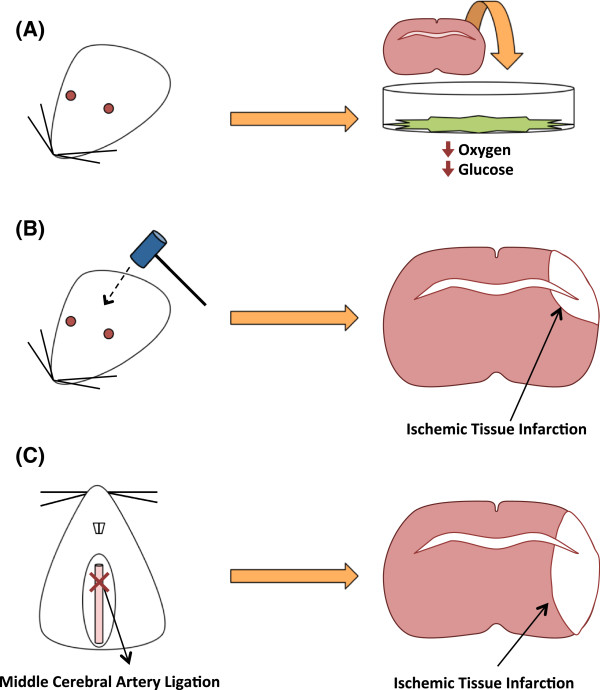
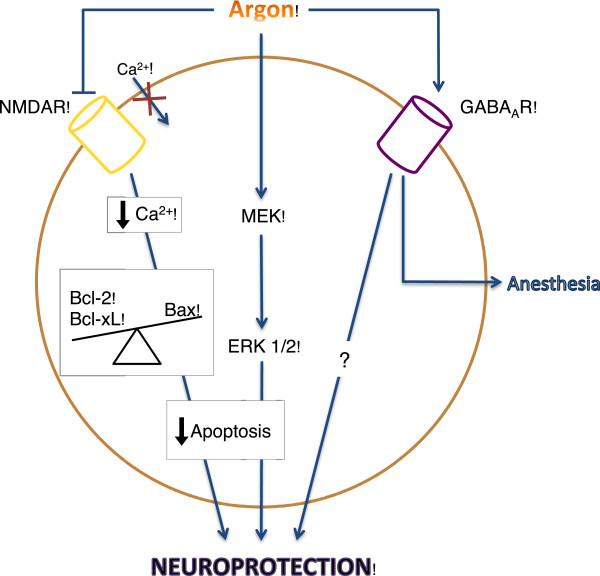
Argon is a noble gas element that has demonstrated narcotic and protective abilities that may prove useful in the medical field. The earliest records of argon gas have exposed its ability to exhibit narcotic symptoms at hyperbaric pressures greater than 10 atmospheres with more recent evidence seeking to display argon as a potential neuroprotective agent. The high availability and low cost of argon provide a distinct advantage over using similarly acting treatments such as xenon gas. Argon gas treatments in models of brain injury such as in vitro Oxygen-Glucose-Deprivation (OGD) and Traumatic Brain Injury (TBI), as well as in vivo Middle Cerebral Artery Occlusion (MCAO) have largely demonstrated positive neuroprotective behavior. On the other hand, some warning has been made to potential negative effects of argon treatments in cases of ischemic brain injury, where increases of damage in the sub-cortical region of the brain have been uncovered. Further support for argon use in the medical field has been demonstrated in its use in combination with tPA, its ability as an organoprotectant, and its surgical applications. This review seeks to summarize the history and development of argon gas use in medical research as mainly a neuroprotective agent, to summarize the mechanisms associated with its biological effects, and to elucidate its future potential.
氩是一种稀有气体元素,已证明具有麻醉和保护能力,这在医学领域可能会很有用。氩气的最早记录显示,在高于10个大气压的高压下,它会出现麻醉症状,最近有证据表明氩是一种潜在的神经保护剂。与使用氙气等作用类似的治疗方法相比,氩气的高可用性和低成本具有明显优势。在脑损伤模型中,如体外氧糖剥夺(OGD)和创伤性脑损伤(TBI),以及体内大脑中动脉闭塞(MCAO)模型中,氩气治疗在很大程度上已证明具有积极的神经保护作用。另一方面,有人对氩气治疗在缺血性脑损伤病例中的潜在负面影响提出了警告,在这些病例中,已发现大脑皮层下区域的损伤有所增加。氩气与组织型纤溶酶原激活剂(tPA)联合使用、作为器官保护剂的能力及其手术应用,进一步证明了其在医学领域的应用价值。本综述旨在总结氩气在医学研究中作为主要神经保护剂的使用历史和发展,总结与其生物学效应相关的机制,并阐明其未来潜力。