Acuner Ozbabacan Saliha Ece, Gursoy Attila, Nussinov Ruth, Keskin Ozlem
Center for Computational Biology and Bioinformatics and College of Engineering, Koc University, Sariyer Istanbul, Turkey.
Cancer and Inflammation Program, Leidos Biomedical Research, Inc., National Cancer Institute, Frederick National Laboratory, Frederick, Maryland, United States of America ; Sackler Inst. of Molecular Medicine, Department of Human Genetics and Molecular Medicine, Sackler School of Medicine, Tel Aviv University, Tel Aviv, Israel.
PLoS Comput Biol. 2014 Feb 13;10(2):e1003470. doi: 10.1371/journal.pcbi.1003470. eCollection 2014 Feb.
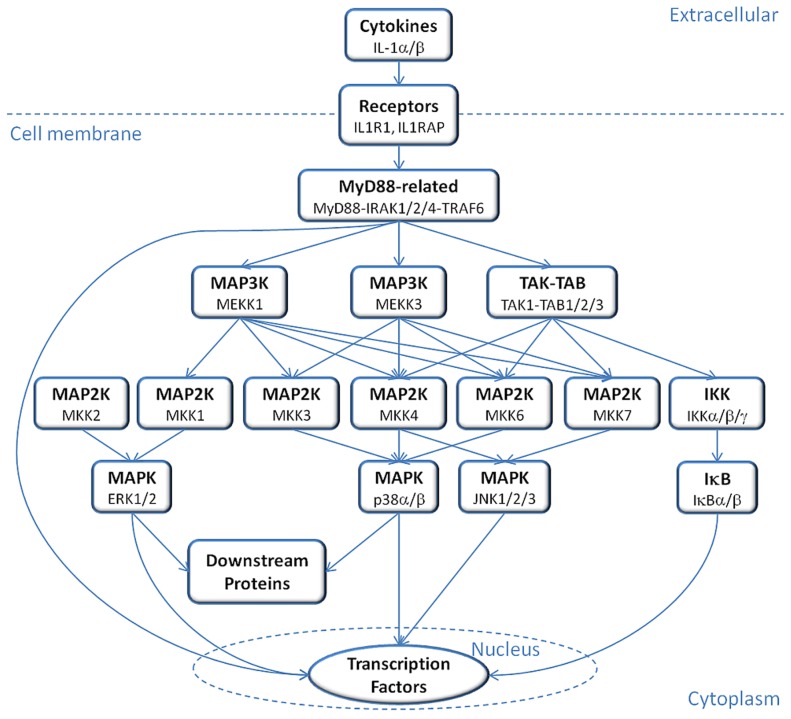
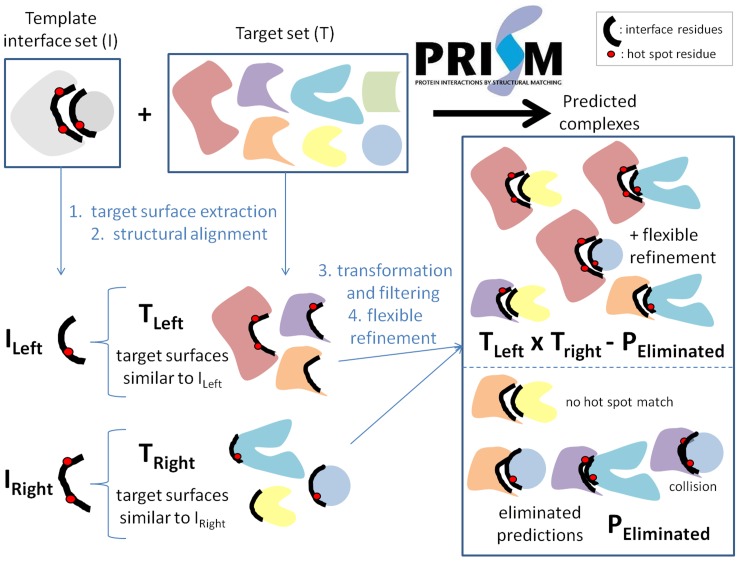
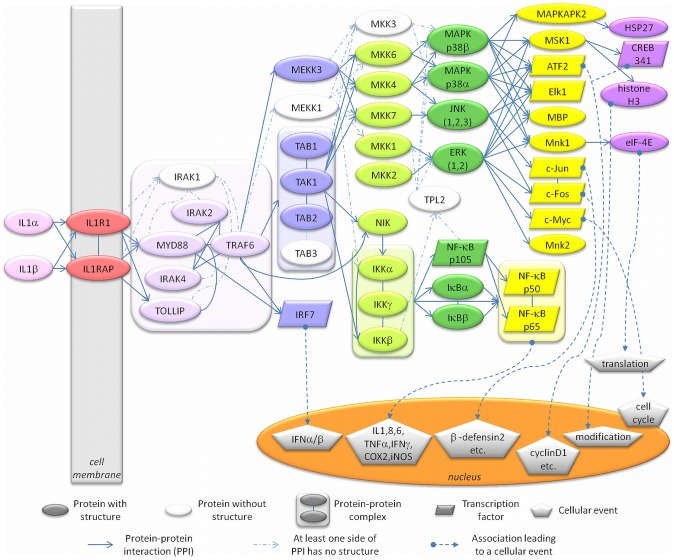
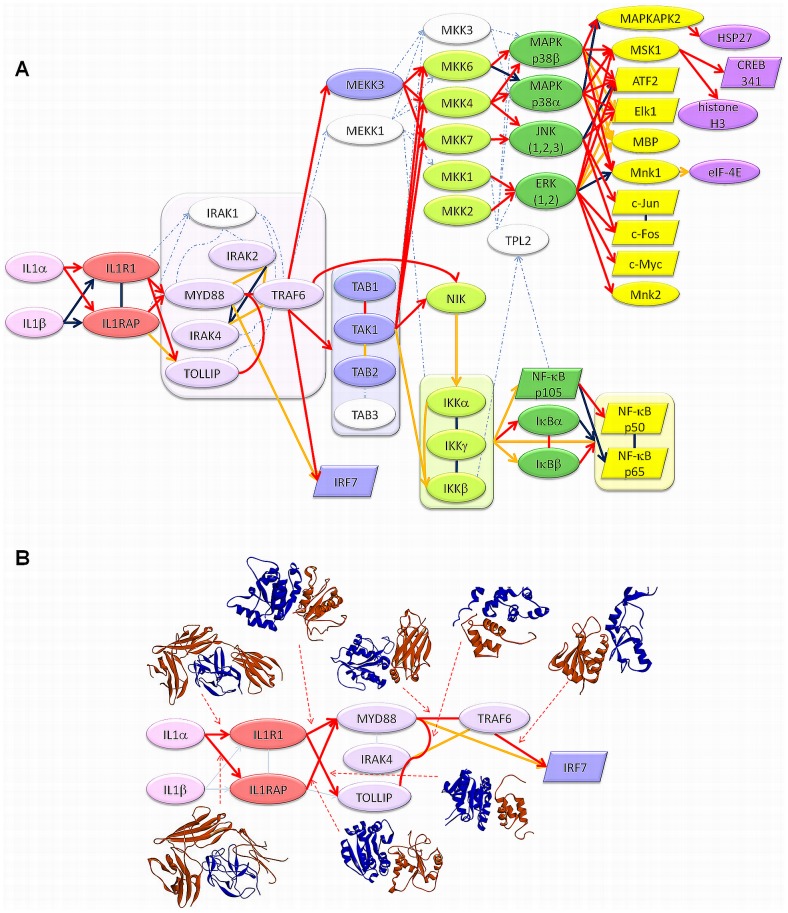
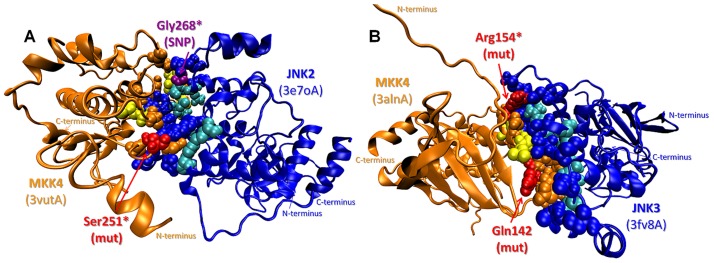
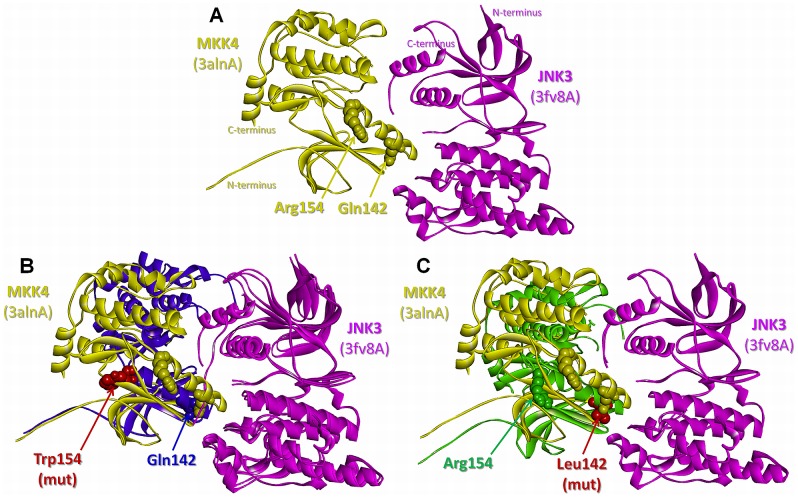
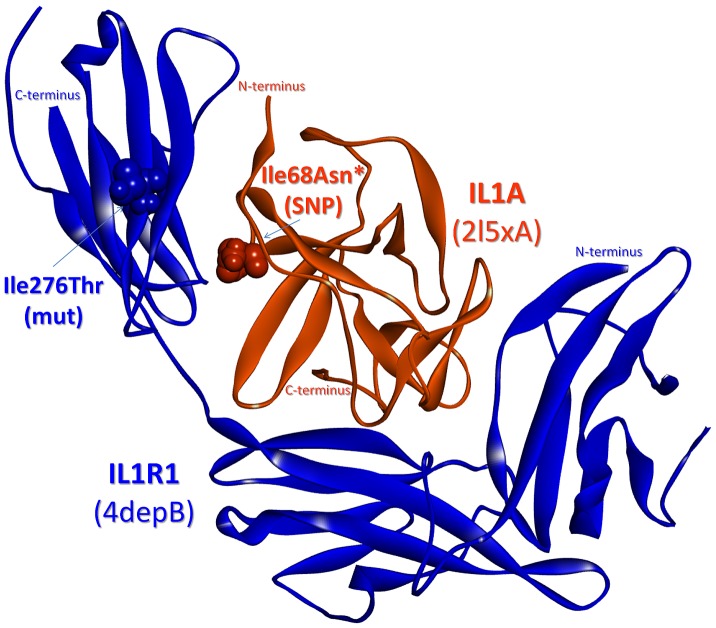
Interleukin-1 (IL-1) is a large cytokine family closely related to innate immunity and inflammation. IL-1 proteins are key players in signaling pathways such as apoptosis, TLR, MAPK, NLR and NF-κB. The IL-1 pathway is also associated with cancer, and chronic inflammation increases the risk of tumor development via oncogenic mutations. Here we illustrate that the structures of interfaces between proteins in this pathway bearing the mutations may reveal how. Proteins are frequently regulated via their interactions, which can turn them ON or OFF. We show that oncogenic mutations are significantly at or adjoining interface regions, and can abolish (or enhance) the protein-protein interaction, making the protein constitutively active (or inactive, if it is a repressor). We combine known structures of protein-protein complexes and those that we have predicted for the IL-1 pathway, and integrate them with literature information. In the reconstructed pathway there are 104 interactions between proteins whose three dimensional structures are experimentally identified; only 15 have experimentally-determined structures of the interacting complexes. By predicting the protein-protein complexes throughout the pathway via the PRISM algorithm, the structural coverage increases from 15% to 71%. In silico mutagenesis and comparison of the predicted binding energies reveal the mechanisms of how oncogenic and single nucleotide polymorphism (SNP) mutations can abrogate the interactions or increase the binding affinity of the mutant to the native partner. Computational mapping of mutations on the interface of the predicted complexes may constitute a powerful strategy to explain the mechanisms of activation/inhibition. It can also help explain how an oncogenic mutation or SNP works.
白细胞介素-1(IL-1)是一个与先天免疫和炎症密切相关的大型细胞因子家族。IL-1蛋白是细胞凋亡、Toll样受体(TLR)、丝裂原活化蛋白激酶(MAPK)、NOD样受体(NLR)和核因子κB(NF-κB)等信号通路中的关键参与者。IL-1通路也与癌症相关,慢性炎症通过致癌突变增加肿瘤发生风险。在此我们阐明,该通路中携带突变的蛋白质之间的界面结构可能揭示其作用方式。蛋白质常常通过相互作用进行调控,这种相互作用可使其开启或关闭。我们发现致癌突变显著位于界面区域或其附近,可消除(或增强)蛋白质-蛋白质相互作用,使蛋白质组成性激活(如果是阻遏蛋白则使其失活)。我们将已知的蛋白质-蛋白质复合物结构与我们预测的IL-1通路结构相结合,并将它们与文献信息整合。在重建的通路中,三维结构经实验鉴定的蛋白质之间有104种相互作用;只有15种具有相互作用复合物的实验确定结构。通过PRISM算法预测整个通路中的蛋白质-蛋白质复合物,结构覆盖率从15%提高到71%。计算机模拟诱变和预测结合能的比较揭示了致癌突变和单核苷酸多态性(SNP)突变如何消除相互作用或增加突变体与天然伴侣的结合亲和力的机制。预测复合物界面上突变的计算图谱可能构成一种解释激活/抑制机制的有力策略。它还可以帮助解释致癌突变或SNP是如何起作用的。